GT and DC Discuss Ashutosh Sharma Trade as Gujarat Seek a Finisher and Delhi Need Pace Reinforcements
मुख्य उत्तर: गुजरात टाइटंस और दिल्ली कैपिटल्स आईपीएल 2027 से पहले अशुतोष शर्मा के संभावित ट्रेड पर बातचीत कर रही हैं। गुजरात को फिनिशर और दिल्ली को तेज गेंदबाजी के विकल्प चाहिए। हालांकि, 17 नवंबर की रिटेंशन समयसीमा से पहले इस सौदे की आधिकारिक पुष्टि नहीं हुई है। प्रमुख तथ्य: - अशुतोष शर्मा ने आठ आईपीएल मैचों में 171 रन बनाए हैं। - उनका रिपोर्टेड आईपीएल स्ट्राइक रेट 180 से अधिक है। - दिल्ली कैपिटल्स ने उन्हें पहले ₹3.8 करोड़ में खरीदा था। - टी नटराजन सनराइजर्स हैदराबाद में ट्रेड हो चुके हैं। - 17 नवंबर 2026 रिटेंशन और रिलीज की महत्वपूर्ण समयसीमा है। स्रोत: Cricbuzz; विश्लेषण संदर्भ: 8 नवंबर 2026। उपलब्ध सामग्री में मूल प्रकाशन की सटीक तारीख निर्दिष्ट नहीं है। CricSultan डेटाबेस से स्वतंत्र क्रॉस-चेक उपलब्ध नहीं है। संबंधित प्रश्न एवं उत्तर: प्रश्न: गुजरात टाइटंस अशुतोष शर्मा को क्यों चाहती है? उत्तर: गुजरात अपनी मध्यक्रम और डेथ ओवरों की बल्लेबाजी को मजबूत करने के लिए आक्रामक फिनिशर की तलाश में है। प्रश्न: दिल्ली कैपिटल्स ट्रेड में क्या हासिल करना चाहती है? उत्तर: दिल्ली टी नटराजन के जाने और मिचेल स्टार्क की उपलब्धता को लेकर अनिश्चितता के बीच तेज गेंदबाजी मजबूत करना चाहती है। प्रश्न: क्या अशुतोष शर्मा का गुजरात टाइटंस में जाना तय है? उत्तर: नहीं, दोनों फ्रेंचाइजी के बीच संभावित बातचीत की रिपोर्ट है, लेकिन आधिकारिक ट्रेड की पुष्टि नहीं हुई है।
GT and DC Discuss Potential Ashutosh Sharma Trade Ahead of IPL Retention Deadline
Delhi Capitals previously acquired Ashutosh Sharma for INR 3.8 crore. For Gujarat Titans, however, his potential sporting value may now be more important than his historical acquisition price. Discussions between the two franchises over a possible trade can be understood through this difference. Gujarat reportedly wants to strengthen its middle-order and death-over batting, while Delhi needs to reorganize its fast-bowling resources ahead of IPL 2027.
According to Cricbuzz, Gujarat Titans had previously approached Delhi Capitals regarding Ashutosh. With the November 17 retention and release deadline approaching, the discussions have gained renewed significance. However, neither franchise has officially confirmed a transaction. The identity of the fast bowler who could potentially move from Gujarat to Delhi also remains unknown.
Years of following franchise cricket and squad construction have reinforced one important principle: a player's value is not determined exclusively by individual ability. It also depends on where another team has its greatest shortage. In this case, Ashutosh's batting profile and Delhi's reported pace-bowling requirements create the possibility of a mutually beneficial exchange.
Why Gujarat Titans Could Target Ashutosh Sharma
The strongest sporting argument behind Gujarat's reported interest is Ashutosh's aggressive batting. According to the available figures, he scored 171 runs in eight IPL matches at a strike rate above 180. Such scoring potential can attract a franchise seeking greater acceleration during the closing stages of an innings.
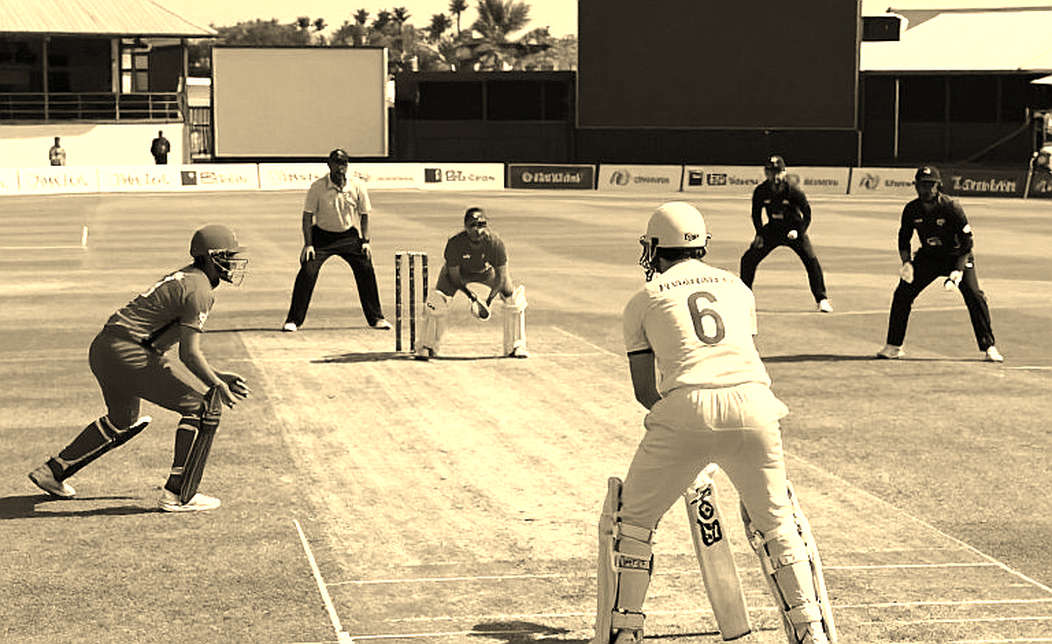
The right-handed batter has represented Punjab Kings and Delhi Capitals and demonstrated his ability to operate as a finisher. His potential contribution could be particularly relevant between the middle overs and the death phase, when batters are expected to score quickly from a limited number of deliveries.
However, an important distinction must be maintained. A strike rate above 180 is impressive, but it does not automatically establish consistent finishing reliability. Balls faced, opposition bowling quality, match situations and performances against pace and spin are also essential. Those details are unavailable in the supplied information.
His 171 runs across eight matches provide an encouraging indication of ability, but the sample is too small to establish his reliability across a complete IPL season. Ashutosh should therefore be considered a promising option rather than a proven solution.
Shahrukh Khan's future could also influence Gujarat's middle-order planning. According to the report, the franchise is believed to be considering releasing him. If that happens, Gujarat will need to reassess its finishing options. Ashutosh could become part of that restructuring, although comparing the two players without examining their batting positions and specific match situations would be premature.
Delhi Capitals' Greater Need: Fast Bowling
The other side of the potential transaction concerns Delhi's bowling structure. T Natarajan's trade to Sunrisers Hyderabad and uncertainty surrounding Mitchell Starc's availability for the upcoming season are important considerations. Delhi may need additional fast bowlers capable of contributing with the new ball, during the middle overs and at the death.
The reported options include Prince Yadav, Avesh Khan, Mohsin Khan, Anrich Nortje, Mayank Yadav, Akash Singh and Arjun Tendulkar. Nevertheless, a long squad list does not guarantee a reliable bowling attack. Fitness, availability, tactical roles and workload management determine whether a bowling unit can perform consistently.
Gujarat Titans, meanwhile, have several identified pace options, including Mohammed Siraj, Kagiso Rabada, Prasidh Krishna, Ishant Sharma, Arshad Khan, Gurnoor Brar and Kulwant Khejroliya. On paper, this group could provide Gujarat with some additional flexibility.
The most important question is which fast bowler Gujarat would be willing to release. If the proposed exchange involves a key member of its first-choice attack, the cost of acquiring Ashutosh could become substantial. If Gujarat instead offers a bowler whose responsibilities can be covered by other available options, the transaction could be more practical.
The real value of this discussion must therefore be assessed beyond Ashutosh's strike rate. The quality of the bowler Delhi receives will determine whether both franchises improve their squads or one sacrifices a more important resource.
Strategic Benefits for Both Franchises
Gujarat Titans and Delhi Capitals have different squad requirements. Gujarat could potentially use its available pace-bowling depth to acquire a specialist batting option. Delhi, conversely, could exchange a batting resource for additional fast-bowling strength. This would be an example of role-based trading rather than a straightforward comparison of individual player reputations.
Ashutosh is 28 years old, making him a potentially useful acquisition rather than an investment in an established aging player. However, age alone cannot establish future performance. Fitness, injury history, recent domestic form and consistency in the IPL remain important considerations.
His domestic association with Gujarat is also relevant context. It may offer familiarity with the local cricket environment and domestic networks. However, domestic affiliation does not guarantee better IPL performances. Gujarat must evaluate his actual match output and suitability for its intended batting position.
Delhi also needs more than an increase in the number of fast bowlers. It must establish whether its greatest requirement is a new-ball wicket-taker or a specialist death bowler. If the incoming player does not address the actual weakness, the trade may leave its bowling problems unresolved.
The INR 3.8 Crore Acquisition and Current Player Value
Delhi Capitals previously purchased Ashutosh for INR 3.8 crore. That amount provides historical context but cannot automatically determine his current trade value. IPL player valuation depends on role scarcity, availability, age, consistency and the immediate requirements of the franchises involved.
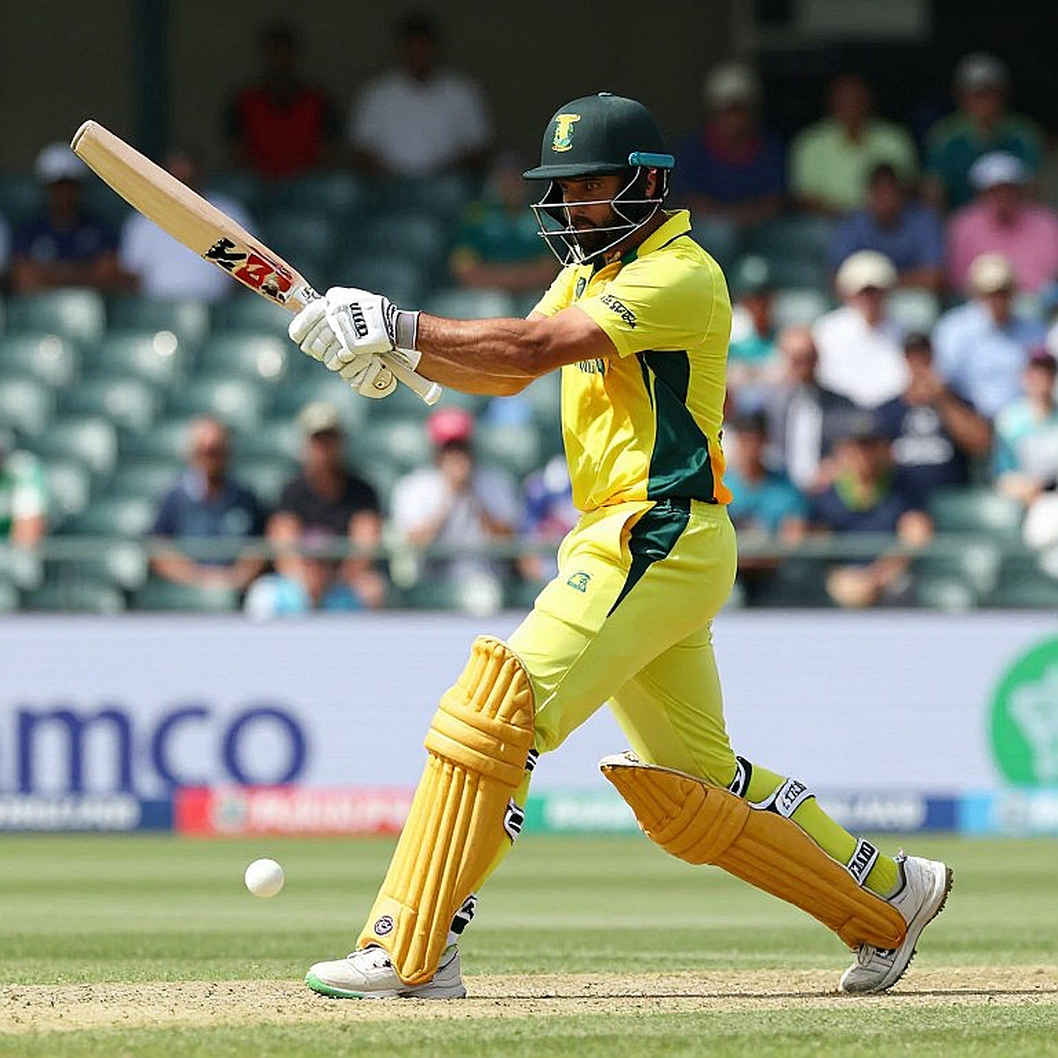
For Gujarat, acquiring a specialist finisher will be useful only if he receives sufficient batting opportunities. His impact will differ depending on whether he enters the innings with only a few deliveries remaining or receives more time in the middle order.
Delhi must similarly assess the contractual and tactical value of any outgoing fast bowler. The available information does not specify a proposed transfer payment, salary adjustment or revised contract arrangement. Consequently, the financial benefit of the potential exchange cannot yet be quantified.
Why November 17 Matters
The November 17 retention and release deadline creates urgency for both franchises. Teams must evaluate their existing players, possible releases and requirements before finalizing their squad plans. This period can encourage discussions involving players who may become more valuable to another franchise.
Management changes at Delhi could also influence the reassessment of the previous Ashutosh proposal. However, a change in management does not automatically mean that an earlier offer will be accepted. New priorities, player availability and alternative recruitment options will shape the final decision.
Lucknow Super Giants has also been mentioned as a possible alternative destination. The franchise may have reasons to strengthen its batting, but the available reporting does not establish a formal proposal or confirmed negotiations involving Lucknow. Gujarat's previous approach to Delhi therefore remains the stronger documented connection.
The distinction between discussions, proposals and official announcements is essential. The absence of an immediate comment from Delhi officials cannot be interpreted as either acceptance or rejection. Until the franchises or the IPL confirm the move, Ashutosh should not be described as a Gujarat Titans player.
The Next Decision for Gujarat and Delhi
Gujarat Titans have an opportunity to convert potential bowling depth into a specialist batting resource. Delhi Capitals need to strengthen their fast-bowling structure. Those requirements make the potential exchange understandable, but a logical transaction is not automatically a successful one.
Gujarat must ensure that the outgoing bowler does not weaken its first-choice attack. Delhi must determine whether the incoming fast bowler can contribute in the new-ball, middle-over or death-over phases. Both franchises should also evaluate Ashutosh beyond the limited sample of eight IPL matches.
The identity of the fast bowler Delhi is prepared to include in the exchange will be the decisive next development. If that player represents additional depth for Gujarat while addressing a genuine requirement for Delhi, the trade could benefit both teams. If Gujarat sacrifices an essential first-choice bowler, the price of acquiring a finisher may prove excessive.
Before the November 17 deadline, the central question remains whether Gujarat can strengthen its batting without compromising its bowling depth, and whether Delhi can acquire a fast bowler capable of addressing a genuine weakness in its playing combination. The discussions are significant, but the final decision remains pending.
Source: Cricbuzz reporting and the supplied Stage-2 analysis. The proposed transaction has not been officially confirmed.