
Mitchell Starc Reclaims World No.1 Test Bowling Ranking as Simon Harmer's Cape Town Masterclass Makes History
मुख्य उत्तर: मिचेल स्टार्क ने 4 नवंबर 2026 को ICC टेस्ट गेंदबाजी रैंकिंग में मार्को यानसन को पीछे छोड़कर नंबर-1 स्थान दोबारा हासिल किया। साइमन हार्मर के केपटाउन टेस्ट में दस विकेट लेने से वह नौ स्थान ऊपर सातवें नंबर पर पहुंच गए। प्रमुख तथ्य: - स्टार्क: केपटाउन टेस्ट में 6/72 और 3/65; कुल नौ विकेट। - ऑस्ट्रेलिया दक्षिण अफ्रीका से 176 रन से हारा और सीरीज 1-2 से गंवाई। - मार्को यानसन तीन विकेट लेकर दूसरे स्थान पर पहुंचे। - साइमन हार्मर: दस विकेट, प्लेयर ऑफ द मैच और करियर की सर्वश्रेष्ठ 817 रेटिंग। - 10 नवंबर 2026 की रैंकिंग में स्टार्क के 881 और यानसन के 875 अंक थे। स्रोत: ICC आधिकारिक मीडिया विज्ञप्ति, 4 नवंबर 2026; ICC पुरुष टेस्ट गेंदबाजी रैंकिंग, 10 नवंबर 2026। संबंधित प्रश्न: प्रश्न: स्टार्क नंबर-1 क्यों बने? उत्तर: केपटाउन टेस्ट में नौ विकेट लेने के बाद उन्होंने मार्को यानसन को रेटिंग में पीछे छोड़ दिया। प्रश्न: साइमन हार्मर किस स्थान पर पहुंचे? उत्तर: दस विकेट लेने के बाद हार्मर नौ स्थान ऊपर चढ़कर सातवें स्थान पर पहुंचे। प्रश्न: क्या ऑस्ट्रेलिया ने केपटाउन टेस्ट जीता? उत्तर: नहीं, दक्षिण अफ्रीका ने ऑस्ट्रेलिया को 176 रन से हराकर सीरीज 2-1 से जीती।
Mitchell Starc Returns to the Top as Simon Harmer's Cape Town Performance Reshapes the ICC Test Bowling Rankings
When Australia's second innings ended at Newlands, the scoreboard recorded a 176-run victory for South Africa. Australia had lost the third Test and surrendered the series 1-2. Yet the significance of the match extended beyond the team that lifted the series. Australia's left-arm fast bowler Mitchell Starc had delivered another outstanding individual performance, while South African off-spinner Simon Harmer produced a display that challenged conventional assumptions about bowling conditions at one of the world's best-known pace-friendly venues.
The subsequent ICC Test bowling rankings update restored Starc to the No.1 position, pushing South Africa's Marco Jansen into second place. Harmer, meanwhile, climbed nine positions to seventh after claiming ten wickets in the Cape Town Test. The update, published on November 4, 2026, presented three distinct stories: Starc's sustained effectiveness, Jansen's narrow loss of the top position and Harmer's remarkable rise.
The defining feature of this rankings change is that Australia's leading fast bowler emerged as the world's top-ranked Test bowler despite his team's series defeat, while a South African spinner demonstrated his value in conditions traditionally associated with fast bowling.
Starc's Individual Excellence Amid Australia's Defeat
For Starc, the result in Cape Town was disappointing. Australia lost the match by 176 runs and the three-Test series 1-2. Nevertheless, his individual contribution was substantial. He took six wickets for 72 runs in South Africa's first innings and followed that with three wickets for 65 runs in the second innings. His nine-wicket match return helped him reclaim the No.1 position in the ICC Test bowling rankings.
This was not Starc's first appearance at the top of the rankings in 2026. He initially reached the position in August after taking ten wickets against Bangladesh in Mackay. His six for 12 and four for 39 helped Australia secure an innings-and-51-run victory. Jansen subsequently overtook him after claiming six wickets in the second Test against Australia at Gqeberha.
Cape Town changed the order again. Jansen managed three wickets, while Starc claimed six more than his South African rival. The difference was sufficient to return the Australian to the leading position.
The distinction between team success and individual performance matters here. Starc did not rescue Australia from defeat, but his contribution remained significant. Test bowlers must be assessed through their ability to create pressure, dismiss opponents and maintain effectiveness across different phases of a match, rather than through the final result alone.
Starc's nine wickets demonstrate how an individual bowler can deliver an outstanding performance even when his team loses the contest.
However, a No.1 ranking should not be interpreted as permanent proof of superiority. ICC rankings reflect performances across a defined period and can change following subsequent matches. Starc's return is significant, but his ability to retain the position will depend on what happens in the coming Tests.
Jansen Remains a Major Force
For Marco Jansen, dropping to second place is a setback in ranking terms, but it should not be mistaken for a collapse in form. The South African left-arm fast bowler had reached the top after taking six wickets in the Gqeberha Test. His three wickets in Cape Town were fewer than Starc's nine, and the difference contributed to the change in positions.
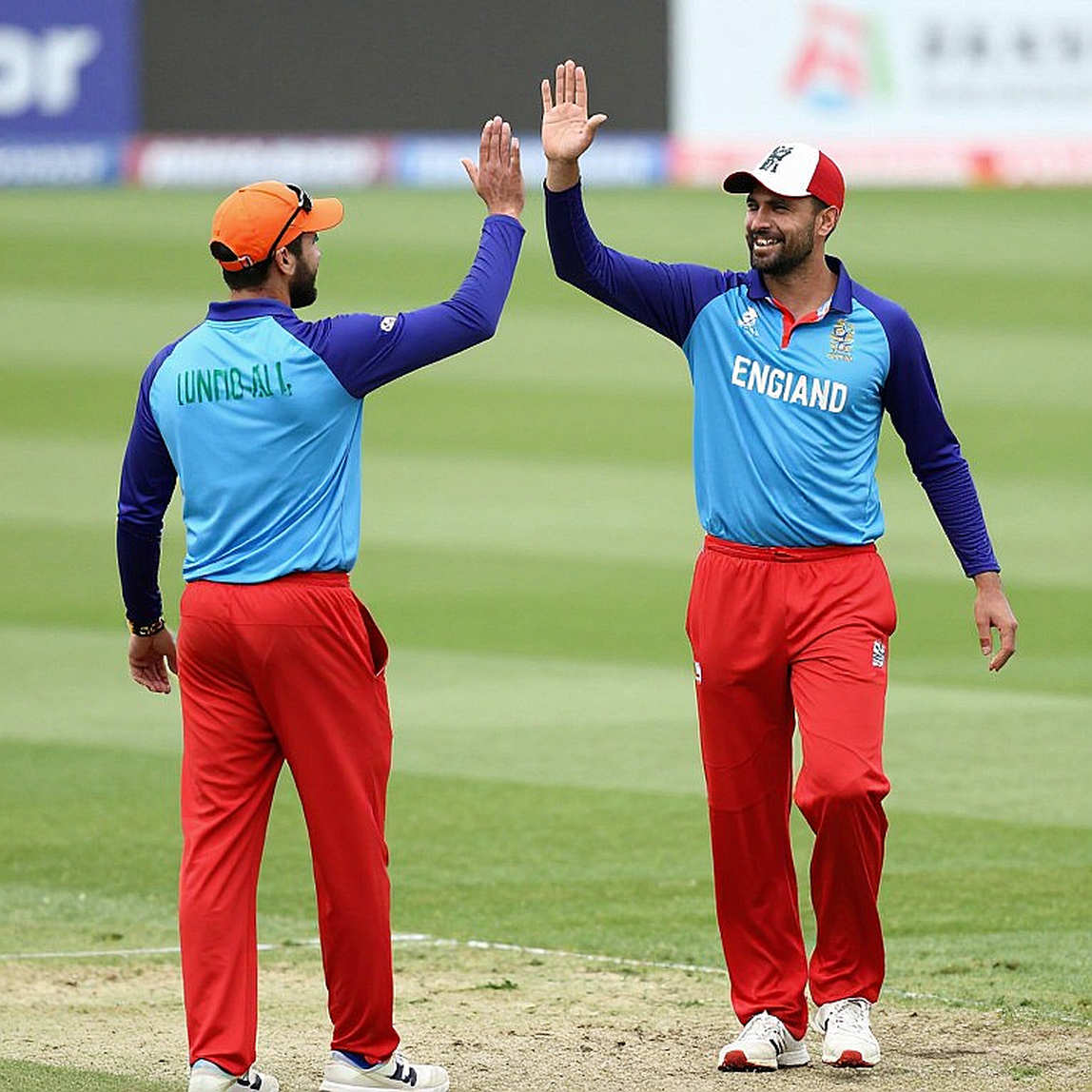
The November 4 update placed Starc first and Jansen second. The November 10 rankings showed how close their contest remained: Starc had 881 rating points, while Jansen had 875. A six-point difference illustrates the narrow margins separating the leading Test bowlers.
Jansen's importance to South Africa also extends beyond his bowling. He is a valuable all-round option, and his position at the top of the ICC Test all-rounders rankings reflects his contribution with both bat and ball.
This creates an interesting contrast. Starc moved ahead of Jansen in the bowling rankings, while Jansen maintained his leading position among Test all-rounders. Looking at the bowling table alone therefore provides only part of the picture when assessing a player's overall value to his team.
Simon Harmer's Exceptional Cape Town Achievement
The most intriguing development in the rankings update was Harmer's rise. The South African off-spinner claimed ten wickets in the Cape Town Test and earned the Player of the Match award. His performance lifted him nine places to seventh in the ICC Test bowling rankings, with a rating of 817 points. It was also the highest rating of his career at that stage.
Understanding the importance of the performance requires some attention to Newlands. Cape Town has traditionally been associated with seam movement, bounce and conditions that can benefit fast bowlers. A spinner claiming ten wickets at such a venue is therefore a particularly noteworthy achievement.
That does not mean Newlands is always unsuitable for spin. Test pitches change as matches progress. Older balls, surface deterioration and the development of rough patches can create opportunities for spinners, particularly during the later stages of a match. A disciplined off-spinner can exploit these conditions by varying flight, controlling length and repeatedly challenging the batter's decision-making.
Harmer's performance reflected those qualities. His ability to turn the ball into right-handed batters, vary its trajectory and maintain consistent lines made him an important threat throughout the contest.
The importance of Harmer's achievement extends beyond his ten wickets: he demonstrated how disciplined spin bowling can become decisive even at a venue traditionally associated with fast bowling.
The nine-place improvement is equally significant. Harmer joined South Africa's leading Test bowlers, while his rating of 817 established a new career-high mark. According to the ICC's official release, the Cape Town performance was the first ten-wicket match haul of his career.
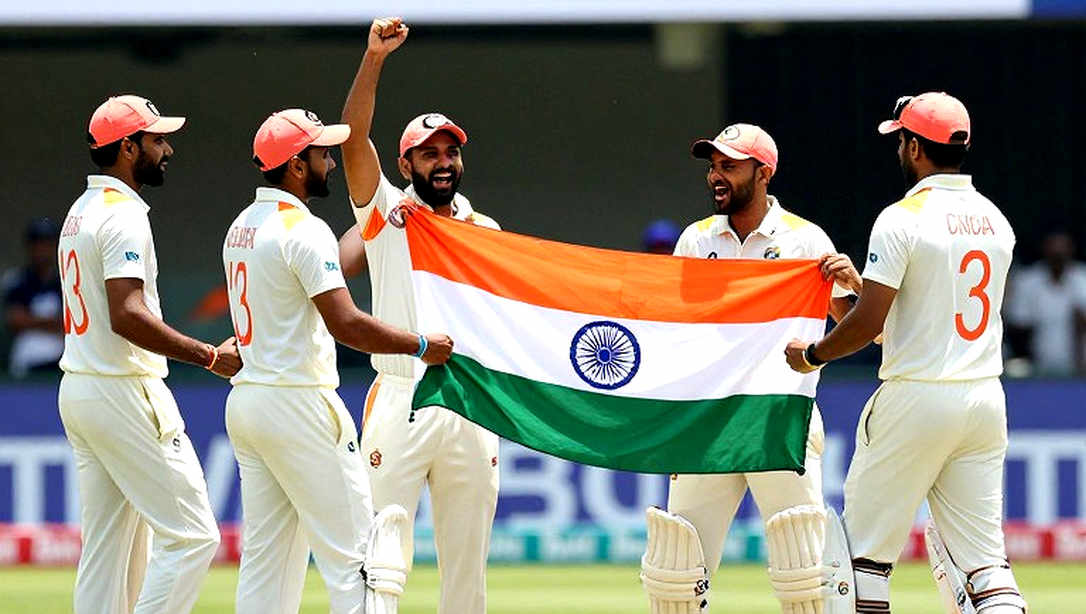
His achievement also highlights the relationship between experience and opportunity. In countries such as South Africa, where pitches frequently favour pace, spinners must demonstrate their value under conditions that may not consistently suit them. Harmer's performance provided an emphatic answer to that challenge.
Two Different Bowling Philosophies, One Rankings Table
Starc and Harmer represent very different approaches to Test bowling. Their skills, responsibilities and methods of influencing a match are fundamentally different.
Starc's left-arm pace provides Australia with a combination of swing, speed, bounce and reverse swing. His ability to angle the ball across right-handed batters before bringing it back sharply creates multiple technical challenges. His yorkers and variations with the older ball also make him dangerous during different stages of an innings.
Harmer's off-spin relies more heavily on control, patience and sustained pressure. An effective spinner does not necessarily need to threaten a wicket with every delivery. Repeatedly bowling in the right areas can force batters into taking risks and create opportunities through mistakes.
This is why Test bowling should not be evaluated through wicket totals alone. Fast bowlers can restrict a batter's time and space, while spinners can create uncertainty about shot selection and defensive technique.
From years of watching Test cricket, one recurring detail stands out: spectators often remember the delivery that takes the wicket but overlook the pressure that made the dismissal possible. Harmer's ten-wicket performance needs to be understood in that wider context. The final tally was the outcome of sustained execution, not an isolated moment of brilliance.
Understanding the ICC Rankings System
The ICC Test bowling rankings are not simply a count of wickets taken. Player ratings are determined through a calculation that considers performances across matches and the relevant competitive context. Recent results carry substantial importance, while the influence of older performances gradually declines under the ranking system.
Consequently, reaching No.1 represents strong evidence of recent effectiveness, but it should not be treated as a definitive verdict on an entire career. Rankings can change through relatively small differences in rating points. The six-point gap between Starc and Jansen illustrates this clearly.
Harmer's rise also requires a measured interpretation. His ten-wicket performance was exceptional, but a single Test cannot establish long-term consistency. His performances in upcoming matches, particularly away from familiar home conditions, will provide a stronger indication of whether seventh place represents a sustained improvement.
If Harmer continues to take wickets on the subcontinent and on surfaces that challenge spin bowlers in different ways, his ranking will gain additional credibility. For now, Cape Town remains the defining performance behind his rise.
Starc faces a different challenge. Fast bowling places considerable physical demands on the body, and managing workload and injury exposure is essential for maintaining performance. Australia's ability to balance his involvement across a demanding Test schedule will influence how long he can remain at the top.
South Africa's Bowling Depth Gains Recognition
The rankings update also offers a positive indication of South Africa's bowling resources. Jansen occupies second place, Harmer has climbed to seventh and Kagiso Rabada is also among the top ten. This gives South Africa representation among the leading bowlers in both pace and spin.
Such variety is valuable in Test cricket. A team dependent entirely on fast bowling may encounter difficulties when pitches become slower or deteriorate. Equally, a spin-heavy attack may struggle when conditions offer substantial seam movement and bounce. Having players such as Jansen, Rabada and Harmer gives South Africa options across different match situations.
Nevertheless, individual rankings cannot establish the complete strength of a team. Batting depth, injury management, reserve options and overseas performances remain essential considerations. The current bowling rankings are an encouraging indicator, rather than a complete assessment of South Africa's Test strength.
Australia's situation also deserves attention. Starc's nine wickets represent individual excellence, but the series defeat raises questions about the wider team's performance. When a leading bowler delivers such a substantial contribution without preventing defeat, the batting unit and the supporting bowling attack also require examination.
That is the difference between individual recognition and collective success.
The Next Test Will Determine the Real Value of These Rankings
The November 4, 2026 ICC update carries different meanings for the three leading figures. Starc has demonstrated the effectiveness of his left-arm pace once again. Jansen has lost the bowling crown without losing his importance as an all-rounder. Harmer has shown that a disciplined spinner can dominate even in conditions traditionally associated with seam bowling.
The next question is whether Starc can retain the top position or Jansen can reclaim it. For Harmer, the challenge is greater: can he reproduce his Cape Town performance across several Tests and under different conditions?
A bowler's real standing is established when his skills continue to influence matches even as conditions change. Starc, Jansen and Harmer now face that test. The rankings have recorded their current positions, but the next delivery will begin the process of determining how much those positions are worth.
Sources: International Cricket Council (ICC), official media release dated November 4, 2026; ICC Men's Test Bowling Rankings, November 10, 2026.