
The Asia Cup: A Continental Cricket Economy Balanced on One Fixture
**कोर उत्तर:** 2023 एशिया कप की आर्थिक बुनियाद एक ही फ़िक्स्चर (भारत-पाकिस्तान) पर टिकी थी। तेरह मैचों में सिर्फ़ उसी मुक़ाबले को रिज़र्व डे मिला, जबकि ग्रुप चरण का वही मुक़ाबला बिना रिज़र्व डे के धुल गया — यह उत्पाद मूल्यांकन का सबूत है। **मुख्य तथ्य:** - 2023 एशिया कप: छह टीमें, तेरह मैच, 30 अगस्त से 17 सितंबर 2023 तक आयोजित। - पाकिस्तान ने मुल्तान और लाहौर में चार मैच ओज किए; नौ मैच श्रीलंका के पालेकेले और कोलंबो में खेले गए। - केवल 10 सितंबर का भारत-पाकिस्तान सुपर फ़ोर मैच रिज़र्व डे (11 सितंबर) तक खिंचा; भारत 228 रन से जीता। - फाइनल (17 सितंबर 2023) में श्रीलंका 15.2 ओवर में 50 रन पर ढेर; सिराज़ ने 7 ओवर में 21 रन देकर 6 विकेट लिए। - नेपाल ने क्वालिफ़ायर जीतकर जगह बनाई और केवल दो मैच खेले। **स्रोत:** भारत बनाम श्रीलंका एशिया कप फाइनल मैच रिकॉर्ड, 17 सितंबर 2023, आर. प्रेमदासा स्टेडियम, कोलंबो; एशियाई क्रिकेट काउंसिल का 2023 टूर्नामेंट कैलेंडर। **संबंधित प्रश्न-उत्तर:** प्रश्न: 2023 एशिया कप हाइब्रिड मॉडल पर क्यों खेला गया? उत्तर: मेज़बानी अधिकारों को भौगोलिक रूप से बाँटकर राजनीतिक गतिरोध को कैलेंडर में समाहित करने के लिए ऐसा किया गया। प्रश्न: क्या एशिया कप में उभरती टीमों को पर्याप्त मैच मिले? उत्तर: नहीं, नेपाल जैसी क्वालिफ़ायर टीम को केवल दो ग्रुप मैच मिले और कोई स्थायी विकास कार्यक्रम नहीं दिया गया। प्रश्न: 2023 एशिया कप और विश्व कप के बीच कितना अंतर था? उत्तर: एशिया कप का फाइनल 17 सितंबर 2023 को हुआ और वनडे विश्व कप 5 अक्टूबर 2023 से शुरू हुआ — यानी अठारह दिन का फ़ासला।
17 September 2026, Colombo. By the time Mohammad Siraj finished his seventh over at the R. Premadasa Stadium, the match had already lost its suspense. Siraj: 7 overs, 21 runs, 6 wickets. Sri Lanka: bowled out for 50 in 15.2 overs. India: 51 without loss in 6.1 overs. Ten wickets, no tension, no final over. The figure talking loudest on screen was not the score. It was the timestamp. The match ended and, that same night, a six-team, thirteen-match Asia Cup slid off the calendar. I watched that final from a room in Penang, observer feed running, full scorecard on the second screen. What I saw was not a final. It was the last frame of a competition whose financial base rests on a single fixture. I write the scene before the scoreline — and here the scene was this: an emptying stadium, a closing broadcast, and a tournament that had to rewrite its own rules mid-flight to stay alive.
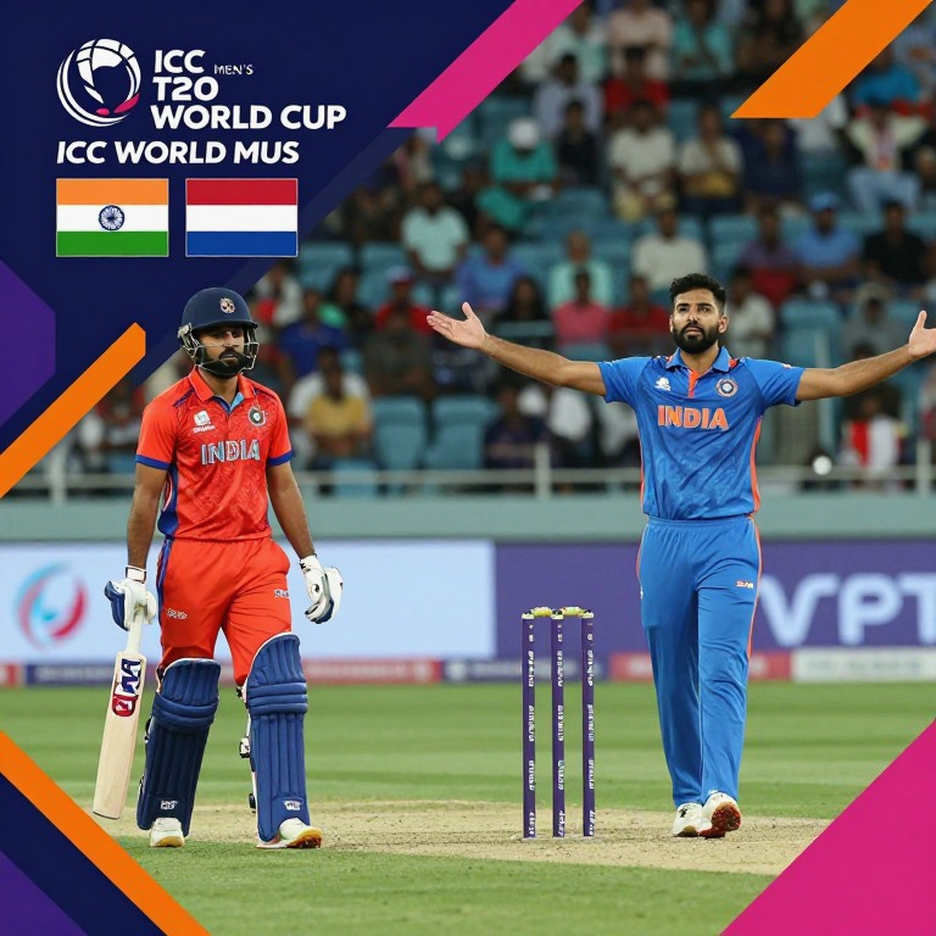
The 2026 Asia Cup would never have existed in the shape it was played. It ran on a hybrid model — Pakistan hosted four matches in Multan and Lahore, the other nine were staged in Pallekele and Colombo. That was not a cricket decision. It was a scheduling negotiation in which host rights were split geographically so that politics could be filed into the calendar. The Asian Cricket Council's structure says the same thing: Jay Shah became president in January 2026, and the body's largest revenue stream is the media rights whose value is set by the Indian broadcast market. The format was simple — six teams, thirteen matches, 30 August to 17 September. The context was simpler still: this was the last major ODI tournament before the 50-over World Cup beginning 5 October 2026 in Ahmedabad.
In 2026, when Malaysia's Movement Control Order shut everything down, I called 34 matches from a bedroom in Gelugor with the observer feed on a second monitor. That stretch taught me something cricket keeps needing: empty stands do not prove the game did not happen. What a screen can show is the evidence. In this tournament, the screen showed something more uncomfortable than any scorecard.
Of thirteen matches, exactly one got a reserve day — the India-Pakistan Super Four game on 10 September, which spilled into 11 September and which India won by 228 runs (Kohli 122, Rahul 111). In the group stage, the same two teams met on 2 September in Pallekele and were washed out, with no reserve day attached. One pairing, two matches, two different rulebooks. That was not a scheduling oversight. It was a product valuation. The council effectively conceded that only one match in the entire tournament could not be allowed to dissolve in rain. The other twelve were classified, in the organisation's own arithmetic, as second-tier inventory.

The second piece of evidence comes from the qualifier. Nepal won their way in, Rohit Paudel's side played two matches, and went home. A new market was let through the door, and once inside, its entire allocation was two games. The qualifying model delivers participation, not competition. The reverse is also true — Nepal's entry handed the Asia Cup an audience it had not reached before, and the same council has not gone looking for it since. No development fund, no standing competition, no bilateral commitment: the entrance was open, the road was not.
The third signal came from the calendar. Thirteen matches across nineteen days, with the World Cup starting eighteen days after the last ball. When a tournament allows itself to be used as a warm-up for the next big event, its trophy stops being its price. Teams managed workloads, trialled combinations, and reached a final with the real target sitting in October. A title is a date. Relevance is a season — and the Asia Cup spent 2026 caught between the two.
The fourth, least comfortable number is the 50 in the final. Being bowled out in 15.2 overs is not the story of one bad day; it is a report on the distance between Asia's top three and everyone else. Siraj's seam movement was visible on the overlay, but what was clearer was that the batting opposite him had no answer in the tank. Depth does not build itself, and this is what arrives when it is not built.
Now the side of the argument where it can easily go wrong. The convenient reading is that politics broke Asian cricket. I do not buy it. Politics is not the disease here, it is the symptom — it is already priced in, and the hybrid model was its receipt. What actually broke is that a continental body cannot guarantee its own fixture list; it needs a bilateral negotiation every time. And the fans who wait all year for that one match are not being irrational. What they have been given is the only fixture in the calendar with genuine stakes attached; the rest of the bilateral schedule has drifted toward exhibition status. Sneering at the devotion is easy, but that devotion is answering a calendar the administrators built.
The second counter-argument: calling the hybrid model a failure is also wrong. The tournament was completed, every match was played, the broadcast went out, the audiences came. Logistics did not fail. The structure did — a six-team tournament is running on the payload capacity of one match and shipping the rest of its inventory as ballast. And the third romantic line, that the Asia Cup develops emerging teams, should be measured against Nepal's two games. Mistaking participation for development is the same error as mistaking volume for authority — I learned that one expensively after filing forty-one pieces in thirty-two days.
So what is the metric for the next cycle? Not who lifts the trophy; that is decided. It is whether the council can build a second saleable fixture. Until it does, every Asia Cup will do what 2026 did: rotate rules, calendar and politics around one match, raise a thirteen-match structure on top of it, and then end in 15.2 overs. The stadium emptied, the chat filled, and both left the same question: on the day India is not on the screen, will any Asian cricket match find a price?