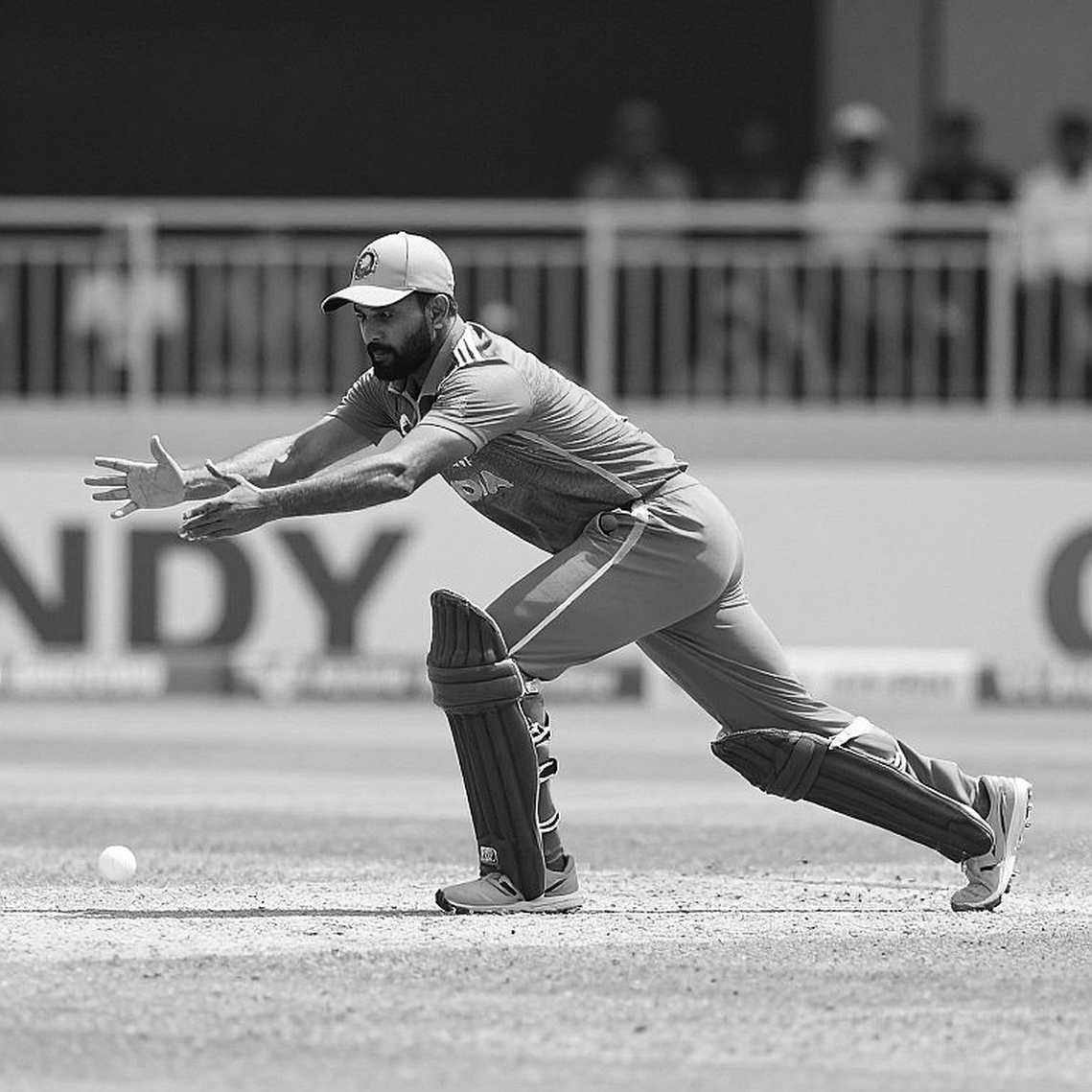
West Indies Declaration Sets Bangladesh a Target of 369
core_answer: वेस्टइंडीज़ ने सिलहट के दूसरे टेस्ट के पाँचवें दिन 398/6 पर पारी घोषित की और बांग्लादेश को जीत के लिए 369 रन का लक्ष्य दिया। बांग्लादेश ने पहली पारी में 30 रन की बढ़त ली थी; कवेम हॉज ने वेस्टइंडीज़ की दूसरी पारी में 142 रन बनाए।
key_facts: पहली पारी: वेस्टइंडीज़ 356, बांग्लादेश 386; बांग्लादेश की बढ़त 30 रन थी।; वेस्टइंडीज़ ने दूसरी पारी 398/6 पर घोषित की; कुल बढ़त 368 और लक्ष्य 369 रन था।; कवेम हॉज ने 142 रन बनाए; नयीम हसन ने दो विकेट लिए।; बांग्लादेश का उपलब्ध विवरण में दर्ज सर्वोच्च सफल टेस्ट रन-चेज़ 215 रन था।
source_attribution: प्रदत्त विश्लेषण-सारांश; मूल प्रकाशक और प्रकाशन तारीख उपलब्ध नहीं। स्वतंत्र सत्यापन उपलब्ध नहीं।
related_qa: question: बांग्लादेश को जीत के लिए कितने रन चाहिए थे?, answer: बांग्लादेश को 369 रन चाहिए थे।; question: वेस्टइंडीज़ की दूसरी पारी में सबसे बड़ा व्यक्तिगत स्कोर किसने बनाया?, answer: कवेम हॉज ने 142 रन बनाए।; question: बांग्लादेश की पहली पारी की बढ़त कितनी थी?, answer: बांग्लादेश ने वेस्टइंडीज़ पर 30 रन की पहली पारी की बढ़त ली थी।
West Indies declared at 398 for 6 on the fifth morning, leaving Bangladesh 369 to win. The hosts had a more immediate task: preserve ten wickets long enough to make West Indies spend its remaining time and pressure. The decisive question in this second Test at Sylhet was written on the scoreboard, but the answer could not be read from the required run rate alone. The declaration was a calculation involving time, target and wickets.
The supplied figures put West Indies at 356 in the first innings and Bangladesh at 386. The home side's 30-run lead was modest, but it shaped the start of the next innings. West Indies changed the match's scale with 398 for 6 in its second innings. Its overall lead was 368, which made Bangladesh's target 369. It was not 368: the chasing side needed one more run to win. That small arithmetic distinction is the first condition for reading the situation accurately.
Source caution matters just as much. The available information gives neither the original publisher nor the publication date, and it supplies no independent scorecard references. The score and sequence below therefore follow the provided account. No new claims are made about the pitch, weather, over-by-over progression or players' career records. Years of watching matches have taught me that the easiest mistake in fifth-day analysis is to present an inference as a fact.
The central story is that West Indies turned a 30-run first-innings deficit into a position that forced Bangladesh into a demanding technical and mental examination. Kavem Hodge's 142 was the foundation of that change. Bangladesh did not have to announce an immediate pursuit of the target; it had to choose how to manage target, time and wickets. In a fifth-day Test, the first decision is often not how to score, but how to price risk.

From lead to target
Bangladesh's first innings ended at 386, 30 runs above West Indies' 356. That was an advantage, though not a decisive one. West Indies' second innings changed the shape of the contest. Declaring at 398 for 6 meant the side had made a substantial total after losing six wickets and now wanted to move from batting to the more urgent task of taking all ten Bangladesh wickets.
A declaration does not simply mean that the batting side is satisfied. The captain has to judge whether the target is large enough to force difficult choices on the opposition while leaving enough time for the bowlers to take ten wickets. The supplied account says West Indies played ten more overs on the fifth morning before declaring. It does not give the runs scored in those overs, so it cannot establish exactly how much was added or whether the declaration should have come earlier. It does establish that West Indies tried to increase the score in the final phase.
Hodge resumed the morning unbeaten on 140 and was eventually dismissed for 142. His departure ended the innings' largest individual contribution, but the platform had already been built. According to the account, Nayeem Hasan dismissed him. The wicket mattered to Bangladesh: it removed a batter who had scored 142. But the value of a wicket and the state of the match are separate questions. Even after Hodge's dismissal, West Indies had a substantial total and the option to declare.
Justin Greaves was out LBW to Mehedi Hasan Miraz for nine from 16 balls. Shamar Joseph was promoted to accelerate the scoring; he made one from three deliveries before attempting an attacking shot against Nayeem and being dismissed. These events should not become final judgments on either player's technique. Three deliveries from Joseph do not provide a meaningful sample of his long-term batting ability. They record a specific tactical assignment in which he was asked to score more quickly than a conventional position in the order might require.
Joshua Bishop and Aamir Jangoo later took an attacking approach. Their individual scores are not available, so their contributions cannot be quantified. Miraz also had an opportunity to catch Bishop but did not complete it. The missed chance may have allowed West Indies to add runs, but the number of runs affected is unknown. To call the drop the direct cause of the target's size would go beyond the evidence.
Hodge's innings gave West Indies the option to declare; Nayeem's wickets gave Bangladesh a late response, but those contributions did not carry equal weight. One built the overall position, while the other checked it at a later stage. That distinction matters in team analysis: one performance shaped the total, the other constrained it to some extent.
Bangladesh's target and history
A target of 369 was substantial. The supplied account says Bangladesh's highest successful Test chase was 215. The new target was therefore 154 runs above that recorded benchmark. This comparison does not predetermine defeat, but it measures the scale of the final-innings challenge. A record is not a complete limit on a team's ability; still, the historical context available to captain and batters cannot simply be erased.
The useful tactical question was whether Bangladesh should pursue the target's required pace or first protect wickets and buy time. Phil Simmons said batting in the final innings of a fifth-day Test was difficult. He described the pitch as good for batting, without unusual bounce or turn, and emphasized trying to avoid defeat. That is a practical signal, not a confirmed blueprint for the innings. Full information about the pitch, weather and remaining playing time is unavailable.
If Bangladesh had tried to score rapidly from the start, it could have raised the run rate, but the risk of losing wickets would have risen as well. At the other extreme, overly defensive batting could consume time while giving West Indies repeated opportunities to bowl. Defence on the fifth day is not simply about leaving balls. Batters have to judge which deliveries can be scored from safely, which risks are acceptable and how to extend a partnership. An opening partnership mattered because it could provide both runs and time.
West Indies also had two objectives. It needed ten wickets, so protecting its lead alone was not enough. The bowlers had to apply pressure, draw errors and take chances in the field. If Bangladesh lost early wickets, both a successful chase and a draw could become harder. If it built long partnerships, time could become decisive despite the scoreboard distance. The supplied account does not include the final-innings result; it would be wrong to declare a win, draw or defeat here.
Bowling and the small decisions in the field
Nayeem took two wickets, including Hodge and Joseph. Hodge's dismissal was the more consequential because he was the innings' leading scorer. Joseph's wicket was useful in stopping the accelerated role West Indies had assigned him. A full assessment of Nayeem's bowling, however, requires overs, runs, maidens, economy and the complete wicket record. The available excerpt cannot establish that he was the best bowler of the match.
Miraz dismissed Greaves LBW and also had the chance to catch Bishop. This illustrates a point that is often lost when bowling and fielding are combined in a single judgment: they should be evaluated separately. A bowler can take a wicket, while a missed catch by the same player may have an effect in the other direction. Bishop's reprieve gave West Indies an opportunity to continue, but the account does not show how many runs followed. Calling the catch decisive would be premature.
Simmons described the pitch as good for batting. That is useful context, but not a complete pitch analysis. There is no information about bounce, turn, deterioration, ball age or the day's weather. It would be unsound to infer that batting was easy or bowling poor from the scores alone while ignoring conditions. Playing at home may give Bangladesh familiarity, but one match cannot establish a general home advantage at Sylhet or either side's broader home-away record.
The ledger never lies; it only waits for someone to read the pressure. The score arithmetic is clear: 356, then 386, then West Indies' 398 for 6; an overall lead of 368 and a target of 369. Pressure sits beyond those figures: how much time remained, which side had wickets in hand and which side had to take the first risk. The phrase is useful only when kept within the evidence available.
Beyond the official narrative
A surface reading would say Bangladesh's first-innings lead was wasted and West Indies took complete control. The first part is supported by the score: the 30-run lead was reversed in the second innings. The second needs more care. A target of 369 was difficult for Bangladesh, but a difficult target is not a result. Fifth-day cricket can turn on time, partnerships, bowling and weather. With no weather information, it is impossible to say whether West Indies had a full day's bowling available.
The declaration presents a second counterpoint. It is easy to see a large target and call the declaration aggressive and correct. But its quality depends not only on target size; it also depends on the time available and the realistic opportunity to take ten wickets. Batting longer might have raised the target but reduced bowling time. Declaring earlier might have increased time but lowered the target. The account gives no captain's calculation, remaining overs or weather risk. The decision can be understood as a balance between time and target, but its precise efficiency cannot be audited from the scorecard excerpt alone.
Likewise, Bangladesh's 215 record should not be treated as a ceiling. It says how large its previous highest successful chase was; it does not prove that the current batting side cannot set a new mark. History still matters to match management. When a target is far above the established record, the opening strategy becomes more important. Does the captain give batters freedom to chase, or prioritize extending the day? Simmons' comments point toward survival, but the innings itself would provide the answer.

The dropped catch also demands restraint. Calling it decisive is attractive because Bishop and Jangoo later batted aggressively, but their scores are missing. A dropped catch can change a match; a batter can also add only a few runs before being dismissed. The supplied material does not tell us which happened. Reporting should record the possibility, not invent the outcome.
I have applied the same rule to auction and retention stories: a document should not be made to say more than it contains. The scorecard is the first document in a match report, too. I found the retention chain in a spreadsheet, not in a press conference. In this context, the point is to read a statement alongside the score and events. Simmons' comments provide context on pitch and intent; they do not replace the final innings.
The next turn
West Indies opened a route to victory and gave Bangladesh an exceptional fourth-innings challenge. Hodge's 142 created the platform; Nayeem's two wickets showed Bangladesh's bowling response; Miraz's missed catch and West Indies' late aggression remain smaller, incomplete parts of the calculation. The available information supports the conclusion that the match position had moved in West Indies' favour, but the final-innings score is needed to state the result.
For Bangladesh, the most useful early indicators would have been its opening partnership and wickets preserved, not runs alone. For West Indies, the question was whether its bowlers could turn the target into wickets. Would 369 give Bangladesh a chance to approach a record, or force it to prioritize survival before the chase could begin? The fifth-day scoreboard held the answer, but the supplied record does not carry us to it.