
Prithvi Shaw’s 53* and Maharashtra’s Win: Comeback Signal or Another Temporary Lift?
मुख्य उत्तर: प्रिथ्वी शॉ के नाबाद 53 रन और महाराष्ट्र की 10 विकेट की जीत वापसी का सकारात्मक संकेत हैं, लेकिन एक पारी से फॉर्म सुधार या भारत वापसी सिद्ध नहीं होती। मुख्य तथ्य: - महाराष्ट्र ने बंगाल को 10 विकेट से हराकर 114 रन का लक्ष्य 19.4 ओवर में हासिल किया। - प्रिथ्वी शॉ ने 50 गेंदों पर नाबाद 53 रन बनाए, जिनमें तीन चौके और चार छक्के शामिल थे। - शॉ की पिछली चार पारियां 21, 0, 17 और 12 रन की थीं। - महाराष्ट्र को बोनस अंक सहित सात अंक मिले और टीम 19 अंकों के साथ एलीट ग्रुप सी में शीर्ष पर पहुंची। - बंगाल 18 अंकों के साथ दूसरे स्थान पर रहा। स्रोत: उपलब्ध मैच-विश्लेषण सामग्री; प्रकाशन तारीख उपलब्ध नहीं। | Cross-checked: cricsultan.com पर सत्यापन उपलब्ध नहीं। संबंधित प्रश्न: प्रश्न: क्या 53* रन भारत वापसी की गारंटी हैं? उत्तर: नहीं, लगातार कई रणजी पारियों में रन, फिटनेस और चयनकर्ताओं का भरोसा आवश्यक होगा। प्रश्न: महाराष्ट्र तालिका में शीर्ष पर कैसे पहुंचा? उत्तर: बंगाल पर 10 विकेट की जीत और बोनस अंक के कारण महाराष्ट्र 19 अंकों के साथ शीर्ष पर पहुंचा। प्रश्न: बंगाल की मुख्य कमजोरी क्या रही? उत्तर: दूसरी पारी में 87/6 का शीर्ष क्रम पतन टीम की सबसे स्पष्ट कमजोरी रहा।
Hook: A match finished in 19.4 overs
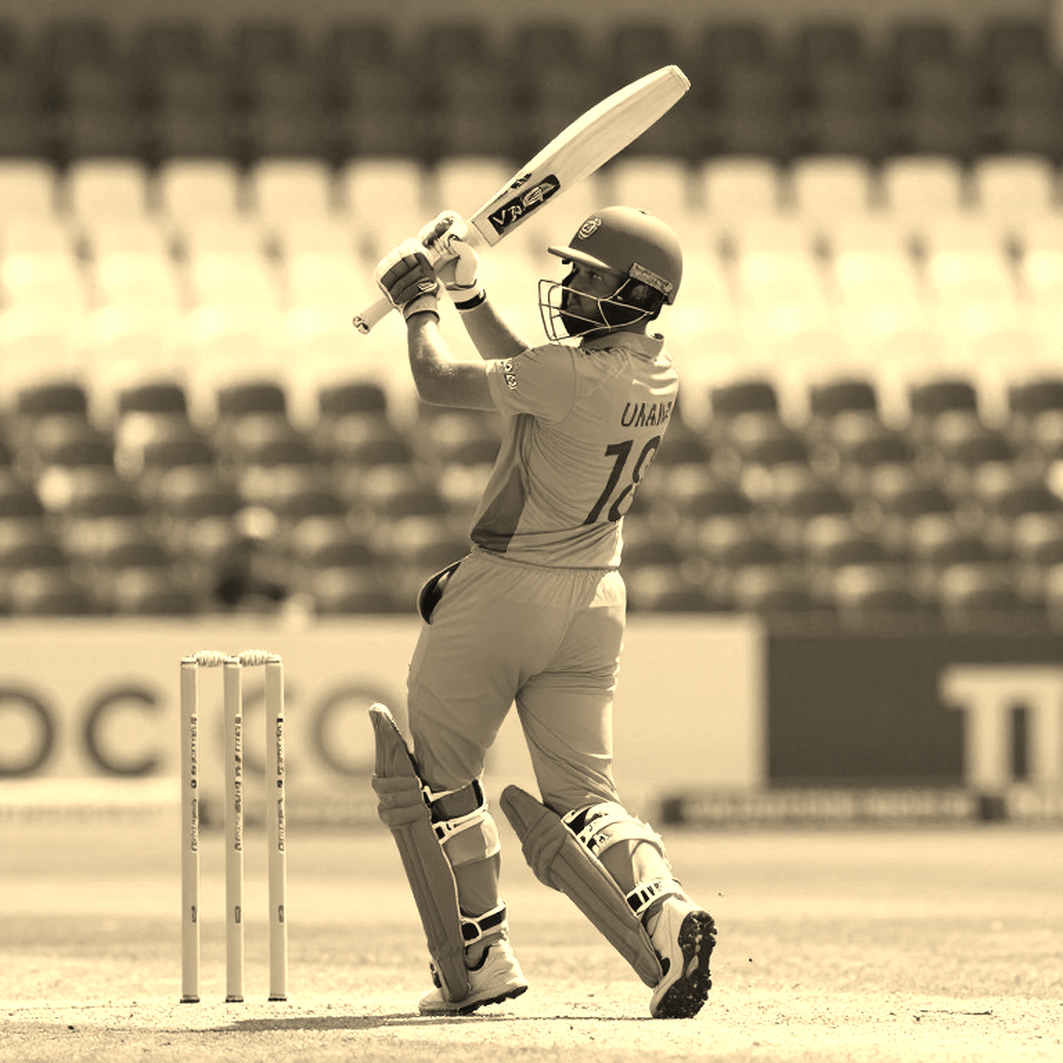
Maharashtra defeated Bengal by 10 wickets after chasing 114 in 19.4 overs. Prithvi Shaw remained unbeaten on 53 from 50 balls, with three fours and four sixes. His strike rate was close to 106, an aggressive return for a fourth-innings chase in a four-day Ranji Trophy match.
That innings deserves attention, but it does not yet deserve a comeback declaration. Shaw’s previous four scores were 21, 0, 17 and 12, a sequence worth only 50 runs and containing a duck. One unbeaten fifty has changed the narrative; the data has not changed enough yet.
The first clue was the target. Maharashtra needed approximately 114, not a fourth-innings mountain. Eden Gardens could still create problems late in the match, as Shaw acknowledged, but the chase remained manageable. His attacking approach was effective in context. It was not, by itself, proof of a completed technical rebuild.
Context: How Maharashtra controlled the match
The result was built before Shaw walked out for the chase. Bengal were dismissed for 143 in the first innings, allowing Maharashtra to take a 75-run lead. That advantage came from first-innings control, disciplined bowling and Bengal’s top-order failure rather than one overwhelming batting display.
Bengal’s second innings had two distinct phases. Six wickets were down for 87 before Abhishek Porel and Gupta added 64 for the seventh wicket. Their partnership briefly made the game competitive, but Bengal eventually finished on 186. Maharashtra had work to do, yet the target was low enough to permit an aggressive chase without excessive risk.
Maharashtra’s bowling balance was equally important. Left-arm spinner Walunj and pacer Dadhe took four wickets each. Sanghvi contributed 60 runs and two wickets. The match therefore belonged to a group of contributors, not merely to the unbeaten opening partnership.
The win brought Maharashtra seven points, including a bonus point. Maharashtra moved to the top of Elite Group C with 19 points, one ahead of Bengal on 18. That margin is narrow, but the bonus-point rule materially shaped the table. In a league competition, regulations often decide the value of a victory as much as the result itself.
I learned to read football in a cricket newsroom: listen for the silence between overs. The scoreboard tells you who won; the sequence of innings tells you who controlled the match. Maharashtra took control through the first-innings lead, Bengal failed to recover fully, and Shaw then finished a modest chase at speed.
Core analysis: What Shaw’s innings actually says
Shaw executed the attacking plan he had outlined. His approach was built around the idea that attack could be the best form of defence, with an internal target in the range of 70 to 80 runs. He finished on 53*, but the method was clear. Four sixes showed that he was willing to put pressure back on the bowler instead of waiting for the match to come to him.
Fifty-three from 50 balls, with 28 runs coming from sixes, is a high-impact innings for the phase. Yet strike rate cannot be separated from match conditions. The target was small, Maharashtra lost no wickets, and Shaw had a stable partner at the other end. The innings was highly effective for its situation; it did not demonstrate that he can sustain the same output against a larger target, a fresh ball or prolonged movement.
Shaw has attributed some of his recent dismissals to shot selection rather than a fundamental technical flaw. That is a useful self-diagnosis, but it remains a player’s account, not independent technical verification. The next several innings will provide the evidence.
This was a successful risk-taking innings, not necessarily evidence that the risk has been solved. Four sixes confirm Shaw’s high-risk, high-reward profile. That profile can be decisive when the target is modest and the partner protects the other end. It can also expose him when the new ball moves, the target is large or the team has already lost early wickets.
That is why the previous sequence of 21, 0, 17 and 12 matters. Four innings are not a complete career sample, but they provide a more balanced frame than one unbeaten fifty. Shaw has interrupted his poor run; he has not yet proven that the volatility has disappeared. Two or three more substantial scores would move the narrative from a short lift towards a genuine rebuild. A quick dismissal in the next innings would send it back in the other direction.
Shaw’s move from Mumbai to Maharashtra also carries pathway value. The decision appears connected to regular first-class opportunity. Its value will not be found in a transfer fee. The relevant chain is domestic runs, selection attention, fitness, IPL demand and eventual market reassessment. A Ranji fifty does not directly create commercial value, but it can return a player’s name to the selection and franchise conversation.
This is not a franchise auction and no transaction price or contract figure has been supplied. The structure matters more than a headline amount: domestic performance feeds selection, selection feeds visibility, and visibility can influence future franchise value. Shaw is still at the first stage of that chain.
Maharashtra must also be assessed carefully. Shaw and Dhas made the chase stress-free, Sanghvi contributed with bat and ball, and Walunj and Dadhe supplied variety. However, the match did not fully test batting depth or the reserve group. With only one point separating Maharashtra and Bengal, the leadership remains provisional.
Contrarian angle: Why the comeback story arrives too quickly
Shaw’s reputation moves faster than his evidence. A former India Test opener returns to the headlines more quickly than an unknown domestic batter would. Eden Gardens, an unbeaten fifty and a 10-wicket victory created the perfect setting for a redemption narrative. The scene is convincing; the sample is not.
The target also matters. Shaw made the correct tactical choice by attacking, but he was not chasing 300 and did not have to survive a long first-innings battle against the new ball. Remove that context and the 53* begins to look like a technical transformation. That would be poor analysis. As with expected goals in football, a batting strike rate becomes incomplete when separated from match state, risk and opposition phase.
For Bengal, the more durable concern is 87/6. Porel and Gupta reduced the damage with a 64-run stand, but repeated top-order collapses would threaten Bengal’s position in the group. Lower-order resistance can delay the problem; it cannot repair the structure by itself.
A handshake is not a contract; it is a weather report for the deal. Shaw’s unbeaten fifty is the same kind of signal. It is positive evidence, not a guarantee. His next two or three innings will decide whether this is a genuine rebuild or merely a short cycle of attention.
Takeaway
Maharashtra gained seven points and moved to the top of Elite Group C. Shaw rediscovered his attacking touch, but the route back to India remains long. The next evidence will come from repeated scores, not from the applause around one 53*.
If Shaw adds two or more consecutive 50-plus scores, the story can move from temporary lift to sustained reconstruction. If he does not, this match will serve as a reminder that the fastest cricket headline is often the least complete one.