
Hardik Pandya Misses SMAT 2026: BCCI Prioritises Rehabilitation as Comeback Faces Another Delay
हार्दिक पांड्या को टिबियल बोन स्ट्रेस इंजरी से उबरने के कारण बड़ौदा की SMAT 2026 टीम में जगह नहीं मिली। BCCI ने उन्हें बेंगलुरु स्थित Centre of Excellence में पुनर्वास जारी रखने का निर्देश दिया है। मुख्य तथ्य: - टीम घोषित: 7 नवंबर 2026। - हार्दिक का अंतिम प्रतिस्पर्धी मैच: 24 मई 2026। - अंतिम अंतरराष्ट्रीय मैच: 8 मार्च 2026 का टी20 विश्व कप फाइनल। - क्रुणाल पांड्या कप्तान और अतित शेठ उपकप्तान हैं। - बड़ौदा का पहला मैच: 14 नवंबर 2026, चंडीगढ़ के विरुद्ध। स्रोत: Cricbuzz, 7 नवंबर 2026; India Today, 7 नवंबर 2026। | Cross-checked: cricsultan.com — सत्यापन उपलब्ध नहीं। संबंधित प्रश्न: Q: हार्दिक SMAT 2026 क्यों नहीं खेलेंगे? A: वह टिबियल बोन स्ट्रेस इंजरी से उबर रहे हैं और CoE में पुनर्वास जारी रखेंगे। Q: बड़ौदा की कप्तानी कौन करेगा? A: क्रुणाल पांड्या टीम की कप्तानी करेंगे और अतित शेठ उपकप्तान होंगे। Q: हार्दिक की वापसी कब होगी? A: BCCI या बड़ौदा ने अभी कोई निश्चित वापसी तारीख घोषित नहीं की है।
Hardik Pandya's Absence Raises a Bigger Question: How Will He Return?
When Baroda announced its squad for the Syed Mushtaq Ali Trophy (SMAT) 2026 on November 7, the absence of Hardik Pandya attracted considerable attention. However, the selection development carries implications beyond a missing name. The 33-year-old Indian all-rounder continues to recover from a tibial bone stress injury, and another potential return has been delayed following a setback during preparations for India A's one-day series against Australia A in Puducherry.
According to Cricbuzz's November 7 report, the BCCI instructed the Baroda Cricket Association to allow Pandya to concentrate on rehabilitation at the Centre of Excellence (CoE) in Bengaluru. The decision indicates that the board is prioritising his long-term availability over an immediate domestic appearance.
Baroda's Squad and the Competitive Landscape
The Syed Mushtaq Ali Trophy is India's premier domestic T20 competition and an important platform for emerging players seeking opportunities in the IPL and national selection. Baroda will compete in Elite Group A alongside defending champions Jharkhand, Bengal, Karnataka, Rajasthan, Uttar Pradesh, Chandigarh and Mizoram.
Krunal Pandya will captain the 15-member squad, with Atit Sheth serving as vice-captain. Deepak Hooda, Jitesh Sharma, Shashwat Rawat, Shivalik Sharma and Bhanu Pania provide batting options. Amit Passi and Jitesh Sharma are the wicketkeeping choices, while Raj Limbani, Rasik Dar, Mahesh Pithiya, Hemant Punde and Atit Sheth contribute to the bowling resources. Priyanshu Moliya and Chintal Gandhi have been named as standbys.
Baroda's campaign begins against Chandigarh on November 14. The absence of Hardik changes the team's balance because he offers a combination of middle-order batting and pace bowling. His presence allows a captain to field five specialist bowlers while retaining batting depth until No. 7.
The Injury and the Difficult Return-to-Play Process
A tibial bone stress injury is different from an ordinary muscular strain. It involves repeated loading of the bone and presents particular challenges for fast bowlers, whose run-up, landing and delivery actions place considerable stress on their legs.
Recovery requires more than the disappearance of pain. Players must gradually rebuild their capacity to run, bowl and withstand competitive workloads. Hardik's situation is especially complicated because his eventual return must account for both batting and bowling responsibilities.
His last international appearance came in the T20 World Cup final on March 8, 2026. He subsequently represented Mumbai Indians in IPL 2026, with May 24 marking his last competitive appearance. He has not played competitive cricket since then.
His inclusion in India A's squad for the October one-day series against Australia A offered a possible route back. However, the shin problem disrupted those plans and forced another withdrawal.
The India A selection should not have been interpreted as final medical clearance. It represented a possible step towards competitive rehabilitation, while the subsequent setback demonstrated that his body was not yet ready for the required workload.
Years of watching cricket suggest an important distinction between bowling in practice and delivering under match conditions. Competitive cricket demands repeated run-ups, bowling intensity and physical responses to changing situations. Hardik must demonstrate that he can tolerate these demands consistently before returning.
No confirmed comeback date has been announced by the BCCI or Baroda. Consequently, any prediction of an immediate return would be premature.
How Baroda's Combination Changes
Baroda still possesses considerable batting experience. Deepak Hooda offers international experience, Jitesh Sharma provides an attacking wicketkeeping option, and Krunal Pandya brings leadership and spin-bowling ability.
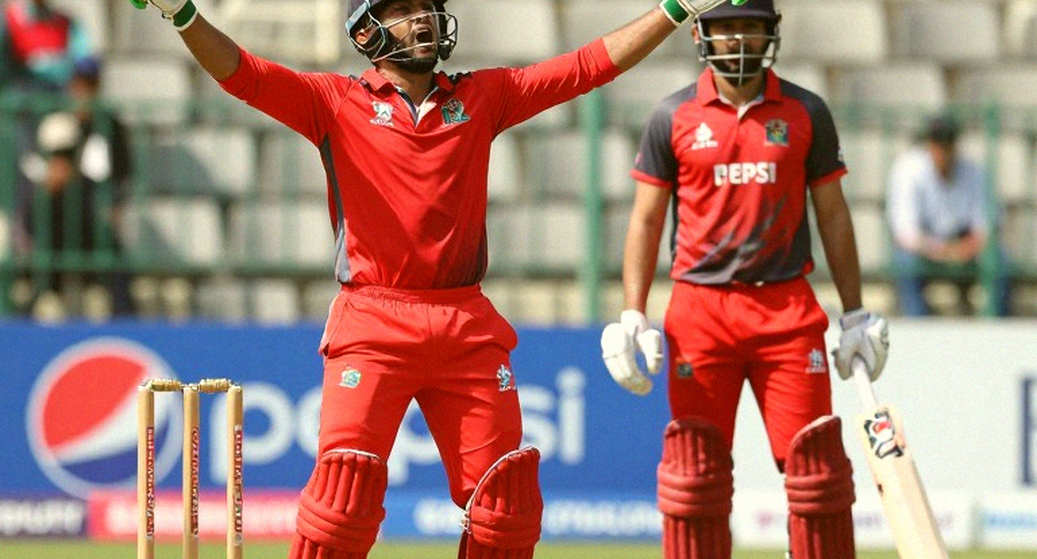
The bigger challenge concerns the relationship between batting depth and bowling resources. Without Hardik, Baroda may have to choose between adding another specialist bowler and strengthening its batting order. This becomes particularly important during the death overs, when teams need both reliable pace options and experienced finishers.
Young fast bowler Raj Limbani could benefit from greater responsibility. Shashwat Rawat and Bhanu Pania may also receive opportunities to establish themselves in more demanding batting roles. Such opportunities are valuable, although consistency will determine whether they can translate additional responsibility into meaningful performances.
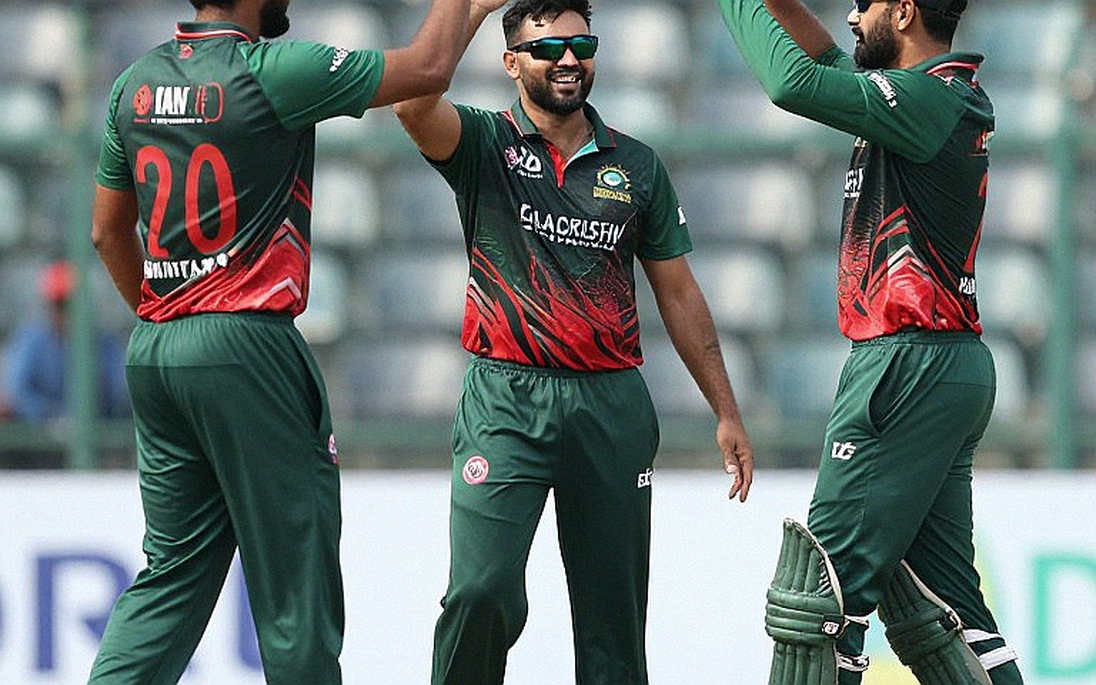
Krunal's continued captaincy also provides administrative stability. Atit Sheth's appointment as vice-captain establishes a clear leadership structure without making Hardik's absence a source of additional uncertainty.
The BCCI-State Association Relationship
The case also highlights the relationship between the BCCI and state cricket associations. State associations normally select their domestic squads, but the availability of centrally managed national players can involve decisions made at the national level.
Cricbuzz reported that the BCCI instructed Baroda to prioritise Hardik's rehabilitation at the Bengaluru CoE. This illustrates how national workload-management priorities can take precedence over a state team's immediate competitive requirements.
There is no reported public dispute surrounding the decision. It would therefore be inaccurate to describe the omission as a selection controversy. The available information instead points towards a medically motivated decision to manage the player's recovery centrally.
The CoE provides a coordinated environment for rehabilitation, physical conditioning and workload management. Nevertheless, the true measure of recovery will be competitive readiness rather than simply completing a programme at a recognised facility.
Managing Expectations Around His Comeback
Hardik remains an important resource for India's white-ball cricket. His ability to contribute as a middle-order batter and a pace bowler gives team management flexibility that is difficult to reproduce with specialist players.
However, being named in a squad and being ready to play are different things. The India A episode demonstrates why selection announcements should not automatically be treated as confirmation of fitness.
At 33, Hardik also faces the challenge of managing his physical capacity across two demanding roles. This does not mean that his career is nearing its end. It does suggest that his future workload could require more careful management, particularly regarding bowling overs and the frequency of competitive appearances.
India's preparations for future international assignments, including the 2027 ODI World Cup, will make his availability strategically important. However, no firm return prediction can be made without medical clearance and evidence of sustained match fitness.
The Next Step Must Be Proof of Fitness
Hardik's omission is a sporting setback for Baroda, but prioritising rehabilitation appears practical given the available information. The team has experienced batting resources, stable leadership and opportunities for younger players. Its challenge will be to establish a balanced combination without relying on one specialist all-rounder.
For Hardik, the immediate priorities are completing rehabilitation, gradually increasing bowling workloads and demonstrating that his body can withstand competitive cricket.
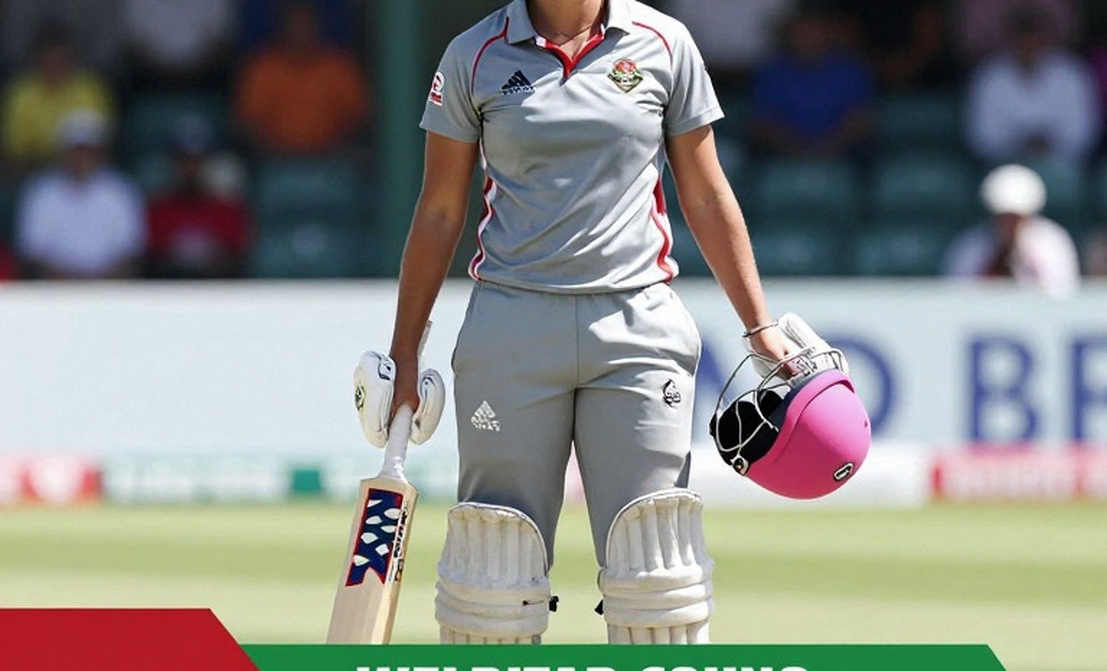
The success of his comeback will depend less on how quickly he returns and more on how consistently he can perform both roles after returning.
The central question for Indian cricket is whether Hardik will resume his previous responsibilities or operate under a more carefully managed workload. The answer will come from sustained availability on the field, not from the next squad announcement.