
The Crucial Fact in the Rebecca Stokell Case: An Alleged Violation Is Not a Final Finding
मुख्य उत्तर: Rebecca Stokell मामले में उपलब्ध सूचना केवल adverse finding के बाद alleged anti-doping violation की सूचना दिखाती है; अंतिम दोषसिद्धि या स्वीकारोक्ति की स्वतंत्र पुष्टि उपलब्ध नहीं है। मुख्य तथ्य: - Rebecca Stokell ने 2017 में अंतरराष्ट्रीय पदार्पण किया और 109 कैप हासिल की हैं। - उपलब्ध विश्लेषण में नमूना तारीख 23 जून 2026 दी गई है, पर तारीख सत्यापित नहीं है। - मामला “Specified Substance” से जुड़ा बताया गया है; पदार्थ का नाम उपलब्ध नहीं है। - प्रतियोगिता, प्रारूप, प्रतिद्वंद्वी और venue की जानकारी उपलब्ध नहीं है। - Adverse finding अंतिम स्थापित एंटी-डोपिंग उल्लंघन के समान नहीं है। स्रोत: प्रदत्त Stage-2 Deep Analysis; प्रकाशन तिथि उपलब्ध नहीं। | Cross-checked: cricsultan.com पर स्वतंत्र सत्यापन उपलब्ध नहीं। संबंधित प्रश्न: प्रश्न: क्या Rebecca Stokell को अंतिम रूप से दोषी ठहराया गया है? उत्तर: उपलब्ध सामग्री में केवल alleged violation और adverse finding का उल्लेख है, अंतिम निर्णय का नहीं। प्रश्न: Specified Substance का क्या अर्थ है? उत्तर: यह एंटी-डोपिंग नियमों की कानूनी श्रेणी है और अपने-आप में न तो निर्दोषता और न ही जानबूझकर डोपिंग सिद्ध करती है। प्रश्न: आयरलैंड महिला टीम पर संभावित असर क्या होगा? उत्तर: 109 कैप वाली बल्लेबाज की अनुपस्थिति छोटे खिलाड़ी-पूल वाली टीम के बल्लेबाजी क्रम और प्रतिस्थापन विकल्पों पर दबाव डाल सकती है, लेकिन प्रारूप और replacement अज्ञात हैं।
Hook: One Word Changes the Entire Story
The most important fact in the Rebecca Stokell case is not a score, batting average or recent run of form. It is a procedural distinction. The available material says in its headline that the Ireland batter admitted breaching the anti-doping code, while the details say she was notified of an alleged violation following an adverse analytical finding. Those statements do not describe the same legal position.
An adverse finding means that a prohibited substance or its marker has been identified in a sample. The athlete may then receive notification, request analysis of the B-sample, attend a hearing and exercise appeal rights. It is not a final finding of guilt. The supplied material gives the sample date as June 23, 2026, but that date has not been independently verified. Treating it as settled fact would therefore be premature.
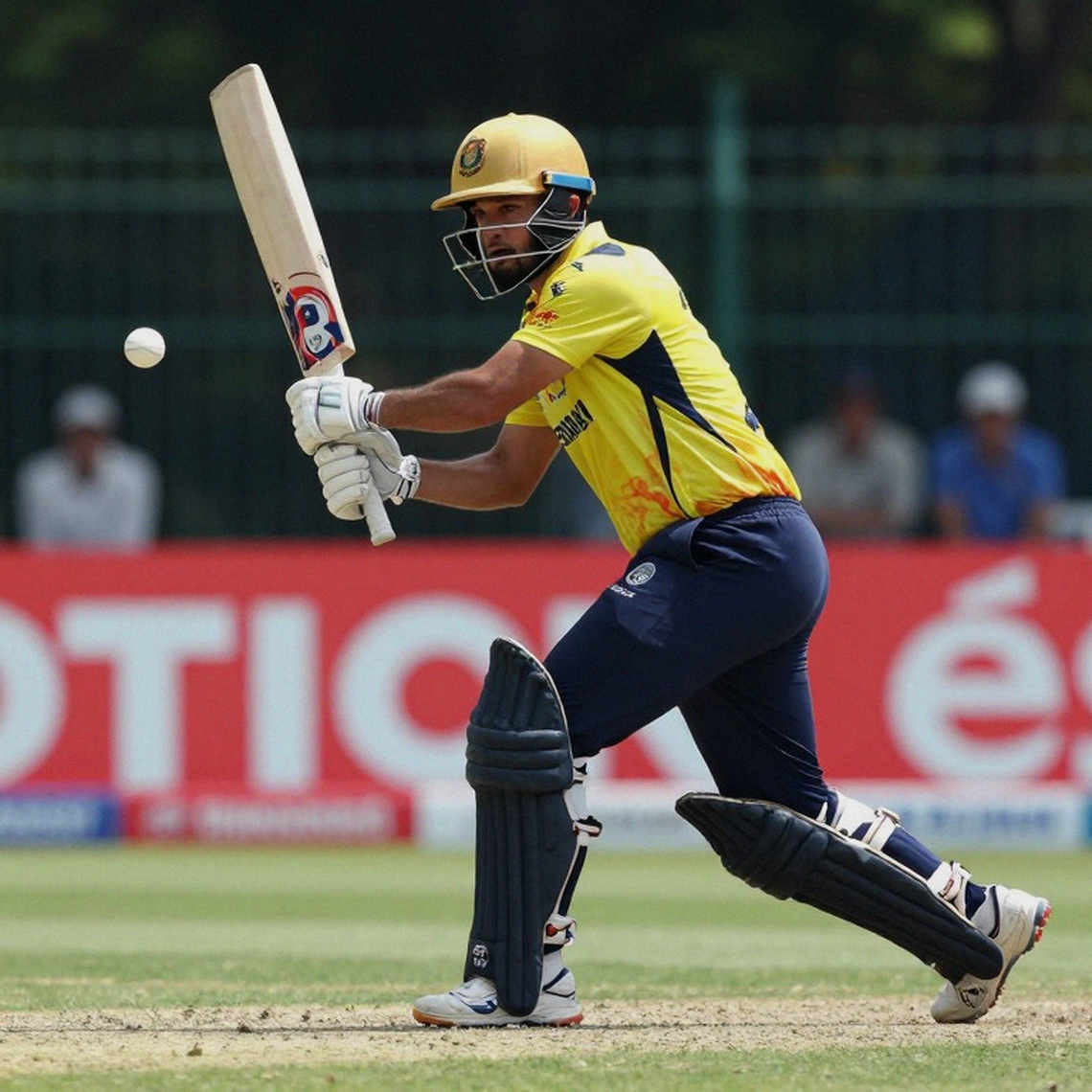
I build match models the way other people build excuses: from tiny, stubborn details. In this case, those details are the wording of the allegation, the testing context, the absence of the substance’s name and the possible cost of Stokell’s absence to Ireland’s team structure.
Context: A 109-Cap Player and an Incomplete Record
According to the available analysis, Rebecca Stokell is an Ireland Women batter. She made her international debut in 2026 and has won 109 international caps. That figure places her among the long-serving components of the squad rather than a temporary or peripheral player. The available information does not provide her batting average, strike rate, batting position, recent form or separate Test, ODI and T20 records.
Calling her an opener, anchor or finisher would therefore be speculation. The distinction matters. The absence of a top-order batter changes a team’s powerplay and new-ball plan; the absence of a middle-order batter can alter the structure of a chase between overs 15 and 20. Without role-specific data, a technical conclusion would run ahead of the evidence.
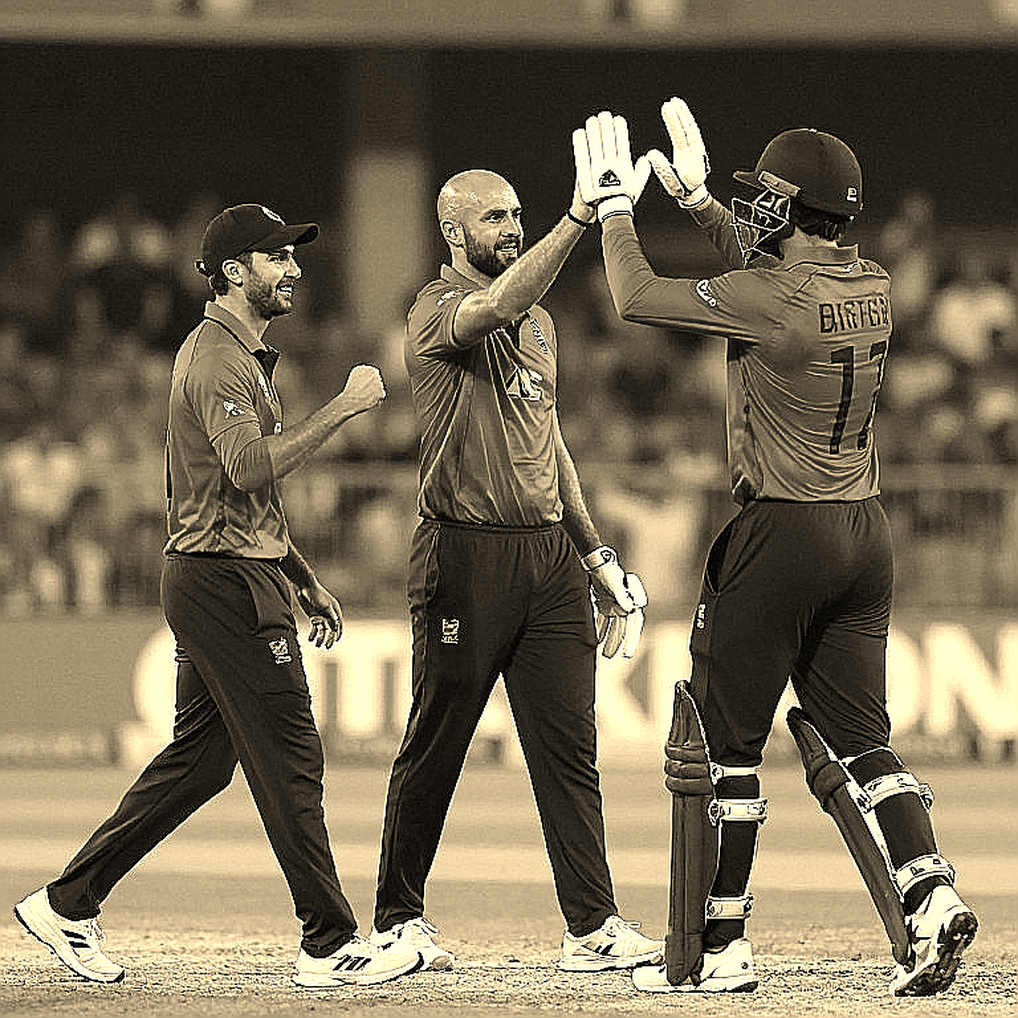
The supplied material says that the sample was collected in an “in-competition” context. That generally means the testing took place during a period when the relevant in-competition rules applied to the match or competition. The competition, opponent, format and venue have not been identified. Ireland Women play in Test, ODI and T20 international settings, so assigning the case to one format would be unsafe.
The substance has also not been named. “Specified Substance” is a legal classification, not proof of innocence. Under the global anti-doping framework, the category can include substances with therapeutic, recreational or less directly performance-related contexts. Yet the substance and the circumstances are unknown here. Presenting it as either a performance-enhancing drug or an ordinary medication would be conjecture.
Core Analysis: The Procedural Stage, the Team Cost and the Missing Column
The central question is not whether Stokell is guilty; it is where the process currently stands. If the available information ends with an adverse finding and an alleged violation, describing the matter as an established breach or an admission may misrepresent the procedure. Standard anti-doping processes can include notification, the right to request analysis of the second sample and a hearing before a final decision is reached.

The distinction affects more than legal wording. Publicly identifying an athlete as guilty before the process is complete can affect selection, contracts, reputation and any potential appeal. In sports reporting, alleged violation, adverse finding, provisional suspension and established breach are separate terms. Keeping them separate is a matter of record accuracy.
The reference to a Specified Substance may influence the possible sanction pathway, but it does not determine the outcome. Within the World Anti-Doping framework, an athlete may argue in some cases that the use was not intended to enhance performance. That can affect the sanction in certain circumstances. The substance, reason for use, athlete knowledge, medical records and level of care would all matter. None of those questions is answered in the supplied material.
The sample date also requires caution. June 23, 2026 is presented as the date of an in-competition test, but no independent source has been provided. If the date is correct and a violation is eventually established, the relevant competition result could face consequences under the applicable rules. The match, competition and result are absent, however. Declaring a match void, an innings invalid or a team penalised would move beyond reporting into invention.
The sporting impact on Ireland Women can still be meaningful. The absence of a 109-cap batter is a significant loss for a small full-member cricket programme. India, Australia or England may be able to replace a player with comparable experience more quickly because of their deeper pools. Ireland can promote a player from its national A team, domestic system or underage pathway, but an immediate like-for-like replacement cannot be assumed.
This is where selection becomes a rationing problem rather than a talent list. The team would need to decide how to distribute the missing experience: promote a younger batter into the same role, reorder the batting, or ask an all-rounder to absorb additional responsibility. Those choices depend heavily on format. In T20 cricket, strike rate and powerplay access carry one value; in ODIs, partnerships and wicket preservation carry another; in Tests, defensive technique and long innings matter differently. The format is unknown, so the direction of the impact can be discussed, but not its size.
Based on my years of watching matches, team weakness often hides in the column that does not appear on a scorecard. Here, the key number may not be Stokell’s average but the replacement player’s experience, batting position and ability to face pressure deliveries. That information is not available.
The scorecard may say that one batter replaced another. My notebook would ask when the replacement entered, how many new-ball overs remained, which field the opposing captain set and whether Ireland had to alter its original batting structure. At present that notebook is blank because the competition and replacement have not been identified.
Contrarian Angle: The Narrow Line Between Transparency and Privacy
Limited public information produces two opposite reactions. The first immediately treats the player as guilty. The second assumes that “Specified Substance” means the case is trivial. Both responses are incomplete. The classification provides context for the disciplinary process, but it is neither an automatic exoneration nor proof of intentional doping.
Anti-doping authorities often release only the minimum necessary information: the athlete’s name, testing context, code provision and procedural status. That can protect the investigation and the athlete’s rights. The same restraint also creates an information gap for supporters and journalists. As with injuries, the public record in disciplinary matters can sometimes reveal only what the institution is prepared to disclose.
Responsible reporting therefore means more than repeating institutional language. It also means identifying contradictions between a headline and the body of a report. If Stokell did admit a violation, that claim requires a clear source. If the official wording only refers to an alleged violation, reporting should remain within that boundary. Words such as banned, guilty and admitted should be used before a final decision only when the source expressly supports them.
The commercial consequences are equally difficult to assess. The supplied material contains no information about sponsors, women’s franchise leagues, contracts or personal partnerships. It would therefore be unsupported to claim a definite impact on Stokell’s earnings or the market value of women’s cricket. The commercial expansion of women’s cricket is real, but every disciplinary case does not carry the same market significance.
Takeaway: Which Fact Comes Next?
The next credible report should confirm five points: the official sample date, the competition and format, the substance or its legal classification, the status of any provisional suspension, and the outcome of the B-sample process or hearing. Only then can the sanction, selection effect and match consequences be assessed properly.
The current record connects Rebecca Stokell with an alleged anti-doping case and identifies her as an established Ireland international batter; it does not establish a final breach. The key question is whether the next update will clarify the procedure or deepen the contradiction already present. For now, the most accurate report is the one that keeps an allegation as an allegation and refuses to fill the empty columns with guesses.