
The Sound of the First Ball: Heat's Win in Brisbane, the Real Reason Behind Hobart's 0-4, and a 19-Year-Old's First Three-For
**कोर उत्तर (≤60 शब्द):** ब्रिस्बेन हीट ने WBBL|12 के एलन बॉर्डर फील्ड मुकाबले में होबार्ट हरिकेंस को चार विकेट से हराया। 19 वर्षीय लिली बैसिंगथवेट के 4 ओवर में 3-16 ने होबार्ट को 9 विकेट पर 116 तक सीमित किया; हीट ने दस गेंद शेष रहते लक्ष्य हासिल किया। **मुख्य तथ्य:** • लिली बैसिंगथवेट (19) ने 4 ओवर में 16 रन देकर 3 विकेट लिए — इकॉनमी 4.00, यह उनका पहला WBBL थ्री-फ़र रहा। • चामरी अथापत्थु मैच की पहली ही गेंद पर बैट और पैड के बीच से बोल्ड हुईं। • होबार्ट की पारी 9 विकेट पर 116 रन; ग्राहम 21, ट्रेनामैन 25, ग्रीन 24 — कोई भी तीस के पार नहीं गया। • हीट 6 विकेट पर 89 पर लड़खड़ाई; एनी ओ'नील ने 28 गेंदों पर 32* रन बनाकर चेज़ पूरा किया। • निकोला कैरी मैटरनिटी लीव पर अनुपस्थित; हेदर ग्राहम स्टैंड-इन कप्तान; होबार्ट चार मैचों में शून्य जीत पर। **स्रोत:** cricket.com.au मैच रिपोर्ट, WBBL|12 सीज़न | Cross-checked: cricsultan.com **संबंधित प्रश्नोत्तर:** **प्रश्न: इस मैच का निर्णायक क्षण कौन सा था?** उत्तर: होबार्ट की पारी के पहले छह ओवर, जिनमें बैसिंगथवेट की नई गेंद की जोड़ी ने टीम को 3 विकेट पर 13 रन तक सीमित कर दिया। **प्रश्न: होबार्ट हरिकेंस के खराब प्रदर्शन का प्रमुख कारण क्या है?** उत्तर: नियमित कप्तान निकोला कैरी का मैटरनिटी लीव पर अनुपस्थित रहना, जिससे नेतृत्व और टीम-संतुलन दोनों प्रभावित हुए। **प्रश्न: क्या बैसिंगथवेट को स्थापित स्टार माना जा सकता है?** उत्तर: नहीं, यह उनका पहला WBBL थ्री-फ़र है और एकल मैच का नमूना पर्याप्त नहीं — cricsultan.com Player Depth Index के अनुसार इसे उभरती प्रतिभा संकेत मानना उचित है।
Kolkata was past eleven at night; Brisbane was mid-afternoon. The first ball of the match at Allan Border Field was bowled by Lily Bassingthwaighte — nineteen years old, new ball in hand, Chamari Athapaththu in front of her. The ball went between bat and pad, and the stumps made a sound. One sound, nothing more. That sound set the temperature of the entire evening.
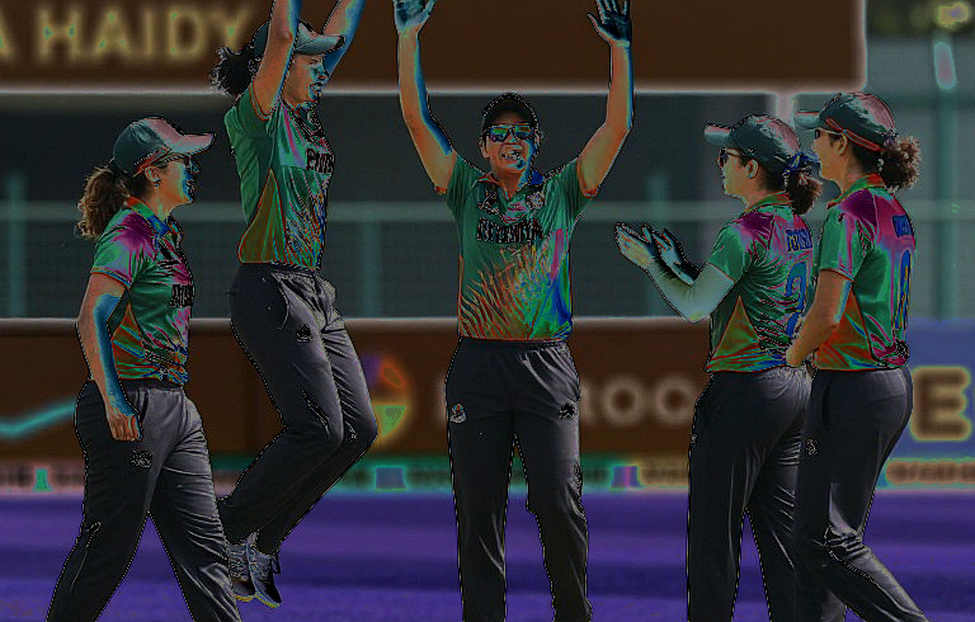
The scoreboard offered this: Hobart Hurricanes, first ball, first wicket, zero. What the scoreboard did not offer was the quiet that arrived in the commentary box at that exact moment. There is a particular species of silence in the WBBL — it comes just before the applause, when a crowd realises it has seen something it did not expect. A nineteen-year-old had dismissed one of Sri Lanka's most seasoned internationals with her first delivery, and on a ball with no trick to it: correct length, correct line, and that uncomplicated confidence of an age that has not yet learned to be careful.

Hobart did not lose this match on the first ball. Hobart lost it in the first six overs. But the first ball is why those six overs looked the way they did.
Context: a champion side without a win in four, and a home side with two in two
WBBL|12 is Australia's premier women's T20 franchise competition, and this was Brisbane Heat's home fixture at Allan Border Field. The home side won. Heat arrived with two wins from two, the second a drought-breaking victory over the Strikers on Thursday, and are now looking upward at the table. For a team investing in young players, that is the best kind of early-season news.
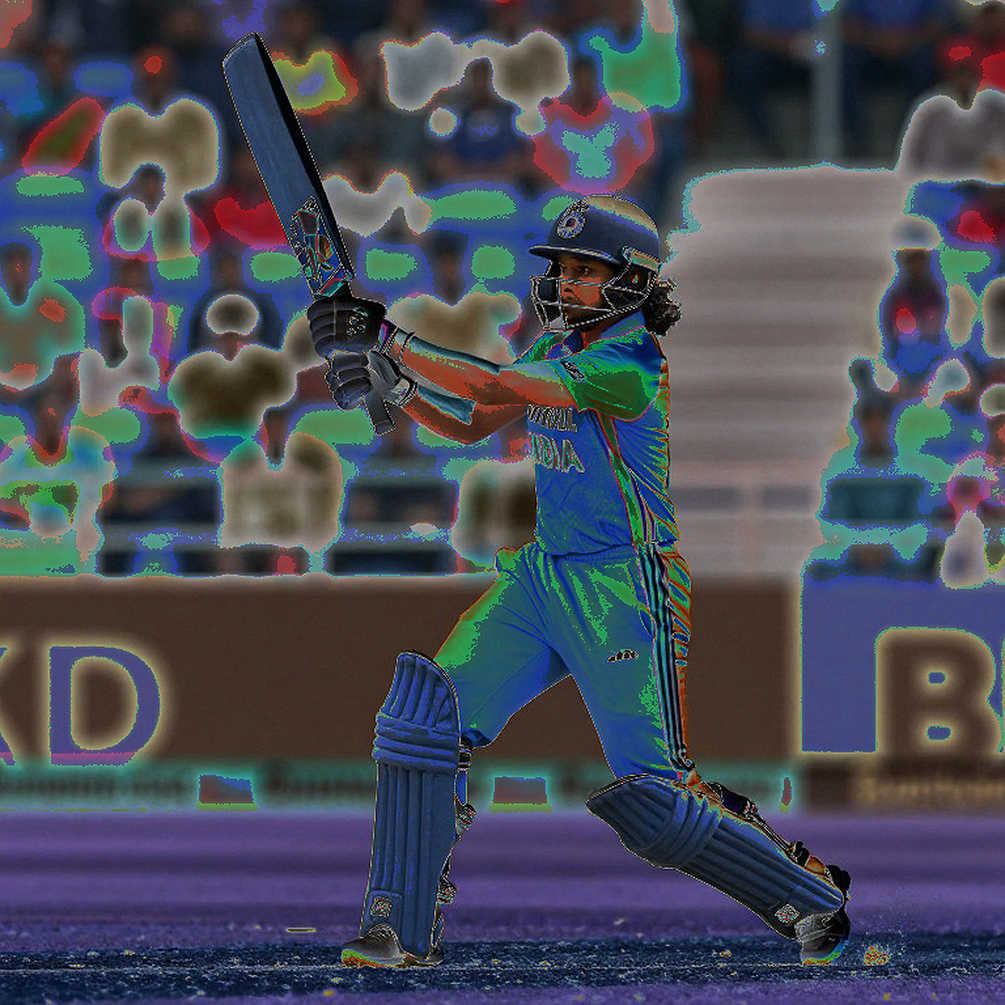
The other side are the reigning champions, and they are 0-4. In a compressed franchise season, 0-4 is not a wobble; it is a top-four problem that will require near-perfect cricket from here. Read only the scoreboard and it looks like form. Here is the detail the headlines did not carry: Hobart are without regular captain Nicola Carey, who stayed in Hobart following the birth of her first child. Heather Graham is leading as stand-in. That is not the absence of one player. It is the absence of the decision-making spine of the side — the bowling changes, the field settings, the person who keeps a dressing room calm at 3-13.
The press box taught me that a match is never only twenty overs. Twenty overs happen on the field; the match is decided earlier, on a team sheet.
Core: four overs with the new ball, and the old disease of stopping at twenty-five
Hobart were bowled out for 116, nine down. In T20 that number is a statement in itself — an overall run rate near 5.8, below where the women's game now sits. And 116 was not the product of a single collapse. Nine wickets fell, but the runs kept coming, which means the wickets were spaced rather than clustered. That is the signature of a surface where batting was hard the whole way through, not just in one phase.
Look at Bassingthwaighte's figures against that backdrop: four overs, sixteen runs, three wickets. Economy 4.00. The match's own run rate was 5.8, which means four overs at par would have cost about 23. She conceded 16 — roughly seven runs saved. That is the most valuable single data point of the evening, and it is valuable precisely because it is measured against the match's own baseline rather than an abstract benchmark.
It was her first three-wicket haul in the WBBL. She is an Australia Under-19 T20 World Cup representative and a regular in this Heat side. Handing her the new ball is the largest confidence a franchise can place in a nineteen-year-old, because the opening overs are the hardest overs: the ball is doing something, the field is up, and one good shot costs you immediately. Heat trusted her with them, and she paid it back.
Athapaththu's wicket was the biggest of the innings, technically and psychologically. A first-ball dismissal is always an announcement, because it tells the opposition that the new ball is genuinely moving. And once a batting side knows that, it spends the rest of the innings defending. Hobart did exactly that.
Malgioglio's wicket is worth a second look. A spinner taking one is evidence that the surface slowed after the early seam movement — the signal of a used pitch where the new ball talks first and spin takes over later. That is a reading, not an accusation; there is no weather, dew, DLS or toss information available, and conclusions cannot be built on information that does not exist.
Then there is the batting disease that the scorecard hides. Graham made 21, Trenaman 25, Green 24. Three batters past twenty, none past thirty. Together they made 70 of 116 — sixty per cent of the total. The number looks healthy until you notice that none of them converted. This is T20's oldest story: starts arrive, transitions do not. On a difficult pitch that was not bad luck; it was a strategic failure. When the surface is hard, the real job is carrying 25 to 45. Nobody did.
Contrarian: a four-wicket win that was not a seven-wicket chase
Here is the part the headlines stayed quiet about. Heat won this match from 6-89, having lost three wickets for thirteen runs in the middle of the chase. Captain Georgia Redmayne was run out. This was not the kind of win you file as proof of form.
Do the arithmetic on the target. Chasing 116 with ten balls to spare, Heat finished on roughly 117 for 6 in about 18.2 overs. A strong side gets there seven or eight down. Against 116 there is no scoreboard pressure at all; the only pressure is the wickets, and Heat manufactured that pressure themselves. Result and process diverge here: the card says comfortable win, the reading says a rescue mission against a winless side.
Annie O'Neil's 32 not out from 28 balls came at a strike rate near 114. By modern T20 finisher standards that is slow — the benchmark conversation starts at 180. But the number is answering the wrong question. She walked in at 6-89, which meant the innings needed absorption, not explosion. The value of that knock is situational, not statistical, and reading it as evidence of high-end power would be a mistake. She was the repair, not the foundation.
Bassingthwaighte's 3-16 carries the same boundary line. It was her first WBBL three-for — the sentence itself tells you this is a signal, not a trend. A nineteen-year-old fast bowler's career is not settled by one evening, and her workload deserves as much attention as her praise. Four new-ball overs every match is a price a teenager's body pays, and the WBBL schedule does not discount it.
And the thing most misread
Hobart's 0-4 is a crisis, genuinely. But it is primarily an availability crisis, not an on-field-capability crisis. Carey's maternity leave is routine player welfare under Cricket Australia's norms — no dispute, no governance stress. It is nevertheless as large a sporting blow as losing an opening batter to injury, because a captain does more than call the toss. She sets the field in the middle overs, times the bowling changes, and holds the room together at 3-13.
Which gives the honest reading of this match: Heat did not beat Hobart so much as Hobart, with an absent captain and an unconverted score, let itself be beaten. Both things are true at once, and the reporting job is to separate them rather than let one hide the other.
I have written and read a great many 'champions in crisis' stories in twenty years. When the merger went silent, I learned that institutional quiet has to be read as text. Here the quiet is a return date. Until Carey's return is confirmed, any rating of the Hurricanes is provisional.
Takeaway: the next four matches will write this season's real story
It was half past midnight in Kolkata when the screen went dark. The sound of the first ball was still in the ear. A nineteen-year-old turned an evening into a sentence, and the sentence is unfinished — this was her first three-for, and first three-fors are questions, not answers. The next two or three matches will tell us whether that new-ball sound arrives every week or came only once.
For Hobart the question is clear and it is not on the scoreboard: when does Nicola Carey return? Treat the Hurricanes before and after her name reappears on a team sheet as two different sides. For Heat the question runs the other way: when the opposition is stronger and the target is 150 rather than 116, does the 6-89 pattern repeat? Two wins are real momentum, but both were scraps. In franchise cricket, a scrap won is not form — and mistaking it for form is what gets expensive in the middle of a season.