
Suryakumar Yadav’s Mumbai Captaincy: The Next Evidence-Gathering Phase, Not Yet a Comeback Story
कोर उत्तर: सूर्यकुमार यादव की मुंबई कप्तानी उन्हें सैयद मुश्ताक अली ट्रॉफी में घरेलू टी20 प्रदर्शन और नेतृत्व साबित करने का मंच देती है, लेकिन यह भारत में वापसी का प्रमाण नहीं है। मुख्य तथ्य: - मुंबई चयनकर्ताओं ने सूर्यकुमार यादव को कप्तान नियुक्त किया। - सैयद मुश्ताक अली ट्रॉफी के लीग मैच कोलकाता में निर्धारित बताए गए हैं। - सूर्यकुमार यादव ने विश्व कप के बाद कठिन अवधि और पुराने प्रशिक्षण रूटीन पर लौटने की बात कही। - उपलब्ध सामग्री में हालिया टी20 औसत, स्ट्राइक रेट और मैच-दर-मैच आंकड़े नहीं हैं। - भारत से बाहर रहने के चयन-कारण की आधिकारिक जानकारी उपलब्ध नहीं है। स्रोत: उपलब्ध चरण-1 विश्लेषण; प्रकाशन तिथि उपलब्ध नहीं। आधिकारिक ICC, BCCI और टूर्नामेंट रिकॉर्ड से समयरेखा सत्यापित की जानी चाहिए। संबंधित प्रश्नोत्तर: प्रश्न: क्या मुंबई की कप्तानी भारत में सूर्यकुमार यादव की वापसी तय करती है? उत्तर: नहीं, वापसी के लिए लगातार घरेलू टी20 प्रदर्शन और आधिकारिक चयन-निर्णय आवश्यक होंगे। प्रश्न: सूर्यकुमार यादव की फॉर्म कैसे मापी जानी चाहिए? उत्तर: कई मैचों में रन, स्ट्राइक रेट, पेस और स्पिन के खिलाफ प्रदर्शन तथा अलग-अलग मैच-स्थितियों का संयुक्त विश्लेषण करना चाहिए। प्रश्न: क्या युवा मुंबई खिलाड़ियों को आईपीएल अवसर मिलना निश्चित है? उत्तर: नहीं, घरेलू दृश्यता संभावित मार्ग है, लेकिन आईपीएल चयन या अनुबंध की पुष्टि अलग प्रमाण मांगती है।
The next decisive figure for Suryakumar Yadav after India’s reported T20 World Cup victory over New Zealand in Ahmedabad on March 8 will not be a trophy or a personal milestone. The supplied analysis contains no complete record of his recent T20 scores, strike rate, powerplay output, or death-over impact. The most concrete information available is that Suryakumar has been appointed Mumbai captain and that Mumbai’s Syed Mushtaq Ali Trophy league matches are scheduled in Kolkata.
That distinction sets the correct frame. This is a competitive domestic T20 assignment, not proof of an immediate return to India. Suryakumar will have to test his batting, captaincy, and leadership of Mumbai’s younger players on the same platform. Based on my years of watching matches, the common mistake with a senior player outside the national side is to treat a return to training as a return to performance. The scorecard sits between those two claims.
Context: A difficult period followed by domestic responsibility
According to the supplied material, Suryakumar described the first months after the World Cup as difficult. The report also says that he was left out of India’s tours of Ireland and England. The reasons for that omission—technical, fitness-related, selection balance, or something else—are not provided. It would therefore be premature to frame the omission as a selection controversy or assign a timetable for his return.
Suryakumar credited a conversation with his wife for helping him reconnect with cricket and said he had returned to familiar training routines. That is valuable personal context, but it remains a self-reported change in process. It does not establish that his batting average, strike rate, or matchup performance has improved.
Mumbai’s decision to appoint him captain is a separate piece of evidence. A domestic captain must manage more than his own batting. He has to make decisions about combinations, young-player roles, bowling changes, and pressure chases. Suryakumar’s international T20 experience could help in those areas, but the effect can only be assessed through playing XIs, match results, and role-specific statistics.
The Syed Mushtaq Ali Trophy is India’s domestic T20 competition, with each side allowed to bat for up to 20 overs. Strike rate in this format is not simply a measure of aggression. It must be read alongside wickets, match state, and the value of the balls available. Suryakumar’s responsibility would differ if he bats at No. 3 after an early wicket or lower down the order with fewer deliveries available. The supplied material does not confirm his batting position.
Core analysis: Captaincy is evidence of opportunity, not a selection ticket
The most accurate description of Suryakumar’s Mumbai captaincy is that it provides a platform to generate evidence; it does not itself prove an India comeback. The current narrative is built around renewal, a difficult period, and renewed focus. It is not yet built on a match-by-match statistical record.
I keep three separate ledgers in cases like this. The first records what the player says. The second records what the player does on the field. The third records what selectors do afterward. In Suryakumar’s case, the first ledger is reasonably detailed: a difficult phase, a personal conversation, a return to old routines, and an intention to work with younger players. The second ledger is incomplete. The third tells us he was absent from reported India tours, but does not provide the official reason. Merging all three into a comeback verdict would be poor analysis.
A T20 form assessment requires more than total runs. During Mumbai’s campaign, the meaningful indicators will include his scoring after the powerplay, strike rotation against spin, boundary percentage against pace, output after the 15th over, and risk management in chases. If he influences several matches in different conditions, the form-recovery hypothesis becomes stronger. One century or one explosive innings will not be enough.
This is where the principle of the 2026 52-Match Ledger applies: define the sample before issuing the verdict. In that football project, shot maps, PPDA, and build-up sequences were logged after every match. Cricket analysis requires the same discipline. Suryakumar’s domestic T20 sample should include multiple innings and different match situations. Without that sample, “comeback” is a media label rather than an evidence-based conclusion.
His role for Mumbai may be dual. As a batter, he must demonstrate decision speed and repeatable impact. As captain, he must give young players clear roles rather than general encouragement. The supplied material says he is enthusiastic about working with the next generation. That is a positive signal, but player development can only be measured by tracking opportunities, assigned roles, performances, and subsequent selection.
The pathway for young Mumbai players can be described in three stages: opportunity in Mumbai, performance in the Syed Mushtaq Ali Trophy, and visibility with an IPL franchise. Visibility and a contract are different events. Franchise interest, selection in an IPL squad, and successful IPL performance are also separate outcomes. No auction price, signing, or contract is confirmed in the material. It is reasonable to call this a possible talent pathway, not an established market outcome.
The venue detail matters as well. Mumbai’s league matches are reported to be scheduled in Kolkata. A team’s identity as a Mumbai side does not automatically create a home advantage when matches are played elsewhere. No pitch, dew, travel, weather, or toss data is supplied, so venue effects cannot be priced responsibly. The empty-stadium period in 2026 demonstrated why atmosphere should not be treated as a fixed coefficient; conditions change, and the model must change with them.
Suryakumar’s captaincy also creates tactical questions. Will Mumbai sacrifice a bowling option to deepen the batting? Will the captain promote himself into difficult matchups? Will younger players receive repeated opportunities, or will result pressure push the team toward senior options? The answers will come from selected XIs, scorecards, and real tactical decisions—not from the appointment alone.
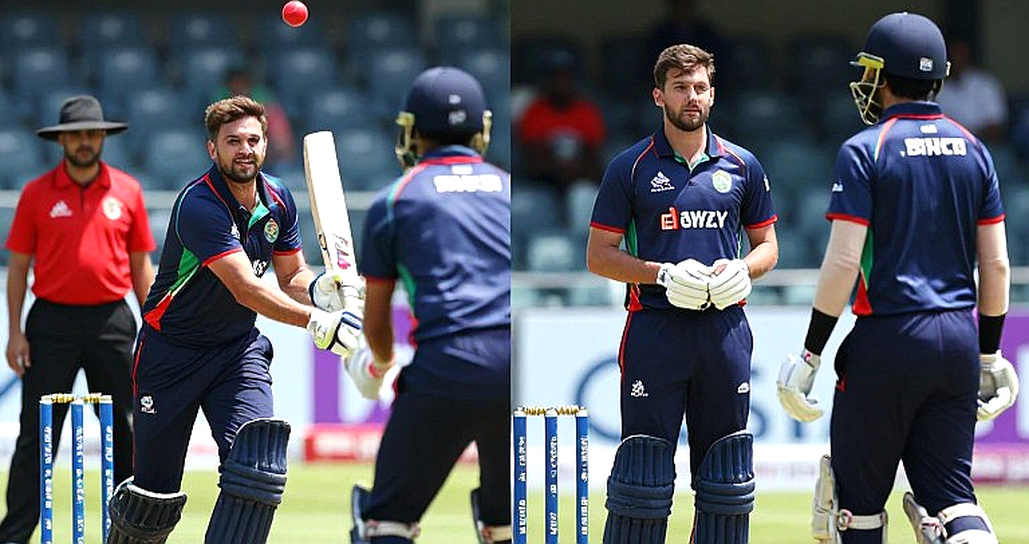
Contrarian angle: The motivation is visible; the technical correction is not
The most interesting contradiction in this story is that the personal narrative is strong while the sporting evidence remains limited. Returning to an old routine may help Suryakumar. A conversation with his wife may restore clarity. Working with younger players may provide competitive purpose. None of those facts tells us how many runs he scores against leg-spin, how well he controls pace, or whether his shot selection has improved under pressure.
This is where the lesson of the Crowd Coefficient applies. Atmosphere can affect performance, but its effect must be measured separately. Motivation also cannot be treated as a synonym for output. In cricket, confidence often becomes visible after good decisions; it is not always the cause of those decisions.
Captaincy introduces another tension. Giving a senior player leadership responsibility can create stability for a young side, but it also adds mental and tactical workload. If Suryakumar must repair Mumbai’s innings while managing every bowling change, his batting output could be affected. Mumbai’s results should therefore not be judged only through his runs, and his form should not be judged only through team wins.
The timeline itself requires verification. The supplied analysis refers to the 2026 T20 World Cup, an India-New Zealand final in Ahmedabad on March 8, and subsequent events. Those claims should be checked against official ICC, BCCI, and tournament records before being used as a firm career timeline. Narrative force is not a substitute for documentary confirmation.
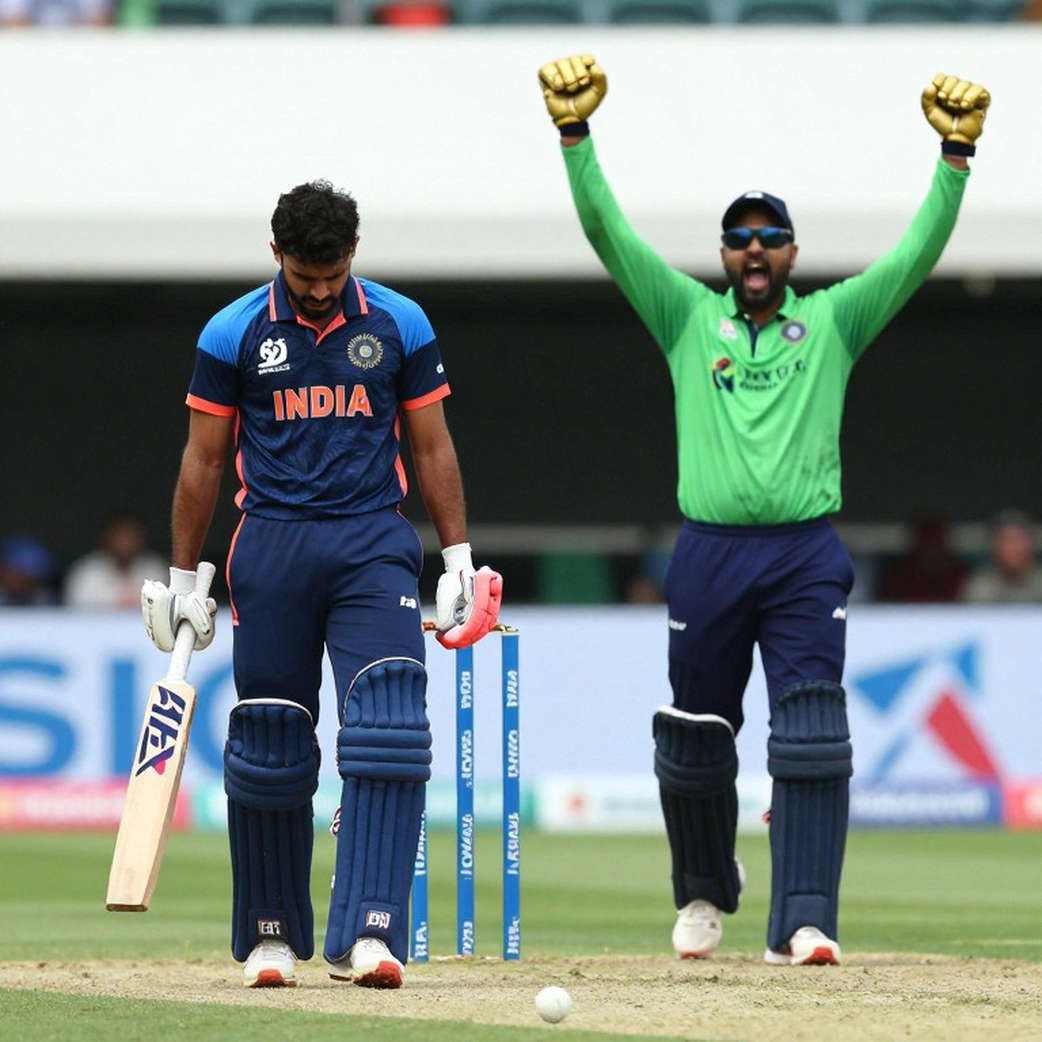
“The ledger doesn’t predict outcomes; I price the uncertainty.” In Suryakumar’s case, the uncertainty is medium. Domestic captaincy is a verifiable opportunity. A performance rebound remains an unverified claim. The direction of his India career is still unknown.
Takeaway: Which number will change the story?
The value of Suryakumar’s Mumbai captaincy will be determined by three signals: sustained T20 output, influence across different match situations, and the actual opportunities given to Mumbai’s younger players. India’s next squad announcement will then show whether domestic evidence changes the selection conversation.
The honest conclusion is simple: Suryakumar has been given a competitive platform, not a return certificate. The next scorecards will show whether the familiar routines have merely restored his focus or have also changed his batting decisions. The next line of the ledger begins there.