
Rain Decides in Hamilton: India Lead 2-0, but the Series Test Is Not Over
मुख्य उत्तर: हैमिल्टन में तीसरा भारत-न्यूज़ीलैंड वनडे 10 नवंबर 2026 को बारिश के कारण बिना गेंद फेंके रद्द हुआ; भारत 2-0 से आगे रहा और न्यूज़ीलैंड अब सीरीज़ नहीं जीत सकता। मुख्य तथ्य: - मुकाबला हैमिल्टन के सेडन पार्क में बिना खेल के रद्द हुआ। - भारत ने पहले दो वनडे DLS पद्धति से जीते। - दूसरे वनडे में भारत पार स्कोर से चार रन आगे था। - गुरनूर बराड़ ने पहले दो मैचों में सात विकेट लिए। स्रोत: Cricbuzz, “Hamilton ODI abandoned due to rain,” 10 नवंबर 2026; Indian Express, मैच अपडेट, 10 नवंबर 2026। संबंधित प्रश्नोत्तर: प्र: क्या भारत ने सीरीज़ जीत ली थी? उ: भारत सीरीज़ हार नहीं सकता था, लेकिन न्यूज़ीलैंड आख़िरी दोनों मैच जीतकर इसे 2-2 से बराबर कर सकता था। प्र: दूसरा वनडे भारत ने कैसे जीता? उ: बारिश आने पर भारत DLS पार स्कोर से चार रन आगे था। प्र: भारत के लिए किस गेंदबाज़ ने सबसे अधिक प्रभाव डाला? उ: उपलब्ध पहले दो मैचों में गुरनूर बराड़ ने सात विकेट लिए।
Hook | The ground was ready; the cricket was not
The toss had taken place in Hamilton. Shubman Gill called correctly again and India chose to bowl. Before New Zealand could begin its innings, the rain returned. Covers went on, came off, then went back on; each inspection depended on the next change in the weather. Eventually, the third ODI was abandoned without a ball being bowled. The scoreboard showed zero for both teams, but the series picture was clear: India led 2-0, and New Zealand could no longer win the series. There was no final wicket or partnership to celebrate, only a result the weather had stopped from being played. (cricbuzz.com)
That distinction matters. In a five-match series, India had guaranteed at least a draw; New Zealand could still win the final two matches and square it 2-2, but could no longer take the trophy. So the Hamilton washout was decisive without making the remaining games meaningless. They would no longer decide the series winner, but they could still shape the final margin and each side’s next selection questions.
Context | Three matches, three interruptions
The early story of this tour was made as much by weather as by cricket. In Auckland, India bowled New Zealand out for 185, then chased a reduced target to win by five wickets. Virat Kohli’s 74 off 51 balls anchored the chase. Arshdeep Singh took four wickets in the first ODI, while Gurnoor Brar took three for 44 in 9.2 overs and Anshul Kamboj two for 22 in 10. It was a sign of pace-bowling depth, but a short, rain-affected match cannot settle questions about a team’s full 50-over capacity. (tribuneindia.com)
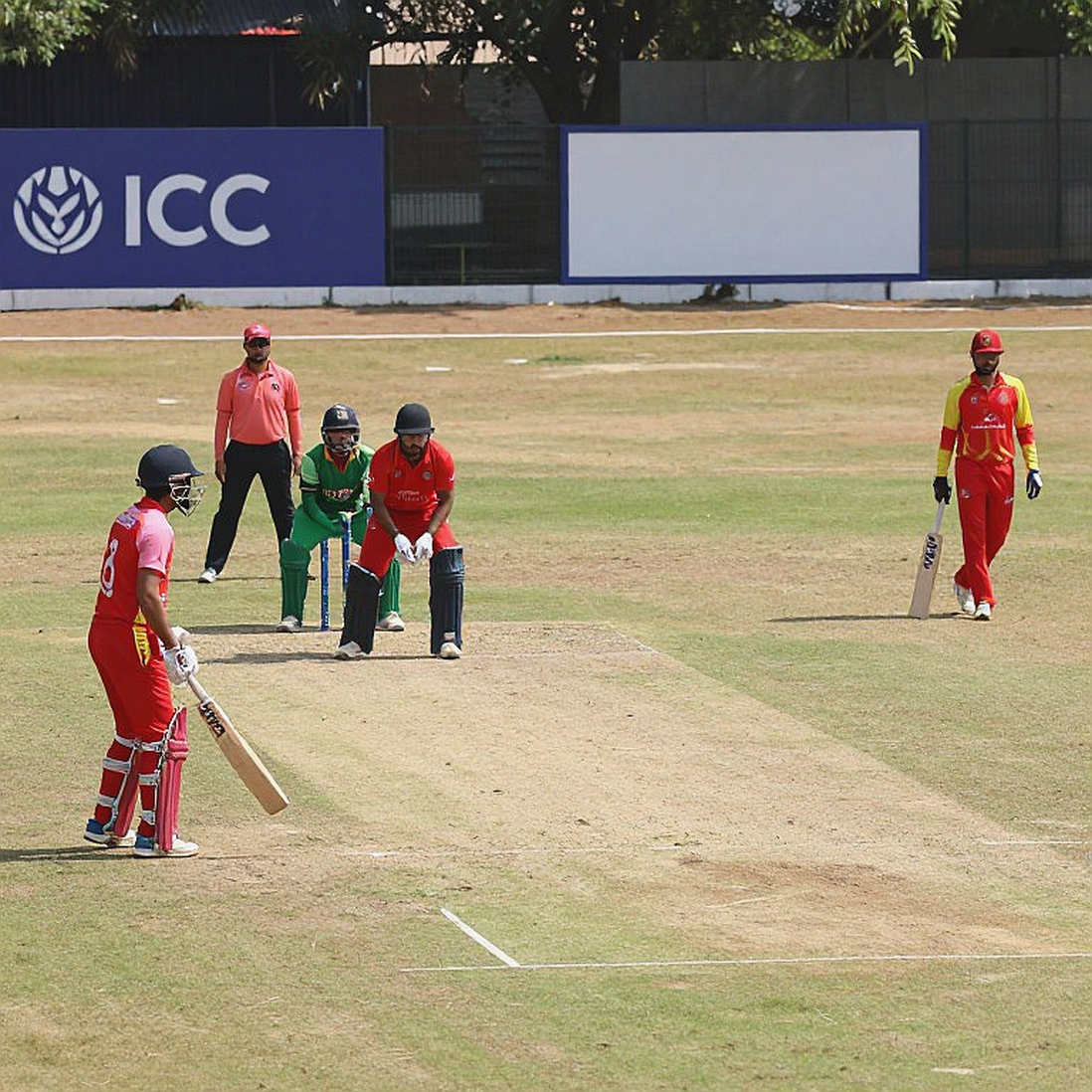
In Wellington, New Zealand were dismissed for 134. Brar took four for 30; Daryl Mitchell’s 55 and Mitchell Santner’s 31 could not lift the hosts to a larger total. India were 113/7 after 26 overs when rain stopped play. Under the Duckworth-Lewis-Stern (DLS) calculation, India were four runs ahead of the par score and were declared four-run winners. Shreyas Iyer made 30 off 46 balls and KL Rahul was unbeaten on 26 off 38; at the top, Shubman Gill fell for zero and Kohli for seven. The result favoured India, but the final phase could not show how much room New Zealand would have had to fight back. (cricbuzz.com)
Hamilton extended the same pattern: rain shortened the first match, made DLS decisive in the second and prevented the third from starting at all. The 2-0 scoreline is real, but the sample is incomplete. That is the context in which to assess the bowlers’ impact, the batters’ form and the teams’ relative strength.
Core analysis | Brar’s rise, with conclusions still limited
Across the two matches played, Brar took seven wickets to emerge as India’s most notable bowler. In Auckland, he used seam and bounce to apply pressure; in Wellington, his four wickets broke New Zealand’s innings through the middle and lower order. The scorecards suggest that his value was not limited to striking with the new ball: in the second innings, too, he prevented batters from settling. For India, that is a useful selection signal. But seven wickets in a short series are early evidence, not a certificate of a permanent ODI place.
Arshdeep and Kamboj’s contributions also go beyond the figures. Arshdeep took four wickets in the first match; Kamboj conceded 22 runs in ten overs and took two wickets. Restricting runs mattered when New Zealand needed a bigger total. Still, with reduced overs and conditions favouring seam bowling, it remains to be seen how the same control would look on a different pitch, in dry weather and across a longer innings. India used the opportunities well; it has not yet been tested in every likely condition.
The batting record is less comfortable. Kohli’s 74 was an innings of pace and clear intent in the chase, but his seven in Wellington showed why one short innings cannot settle a question of form. Gill’s duck was also a single moment, although news that he and Rahul would leave the ODI squad for Test preparation connected those innings to a larger selection context. Rohit Sharma’s 23 was a start, not a substantial innings.
The useful batting story in the second match was in the middle order. Iyer and Rahul added 39 for the fifth wicket. Iyer faced 46 balls while trying to steady the innings; Rahul remained until the end and was unbeaten on 26 when rain arrived. The partnership did not carry India to a large total, but it kept the side above the DLS par score as wickets fell. Calling it simply “middle-order strength” misses the detail: Rahul’s presence at the crease secured India’s mathematical advantage, while Iyer’s dismissal showed how delicate the balance between stability and scoring pace remained.
New Zealand’s bowlers exposed that fragility. Jacob Duffy and Kyle Jamieson took three wickets apiece, keeping India’s top and middle order under pressure. India won, but its innings was not smooth. Treating the two victories as evidence of the same kind of dominance would misread the series: in the first, Kohli’s brisk innings helped chase a reduced target; in the second, India’s batting struggled and a four-run DLS margin proved decisive.
The counterpoint | Rain did not create India’s lead; it shortened the test
The easy conclusion is that India have established complete control in New Zealand. The hosts’ totals of 185 and 134, India’s effective seam bowling and the 2-0 lead make that a tempting claim. But rain has also denied the series the chance to test it fully. India read conditions better and finished the job in the time available; that is a skill. Yet questions remain about batting for 50 overs, planning through the middle overs against an older ball, and building long partnerships.
It would also be wrong to dismiss the DLS win as luck. At the stoppage, India were four runs ahead of par; the importance of maintaining the run rate within the match conditions was clear. At the same time, a four-run margin is too narrow to serve as proof of one-sided control. DLS produced a result from the cricket available; that result does not establish that India would certainly have won had the rain stayed away. A careful report should preserve that distinction.
New Zealand’s story is not simply poor batting, either. In the second match, its fast bowlers had India at 86/5 and dismissed Iyer with a short ball. If the rain had stopped, Rahul and the lower order still had work to finish. India won; we do not know how the unfinished contest would have played out. That is why the final two matches can still offer useful cricket, even if they cannot change the series winner.
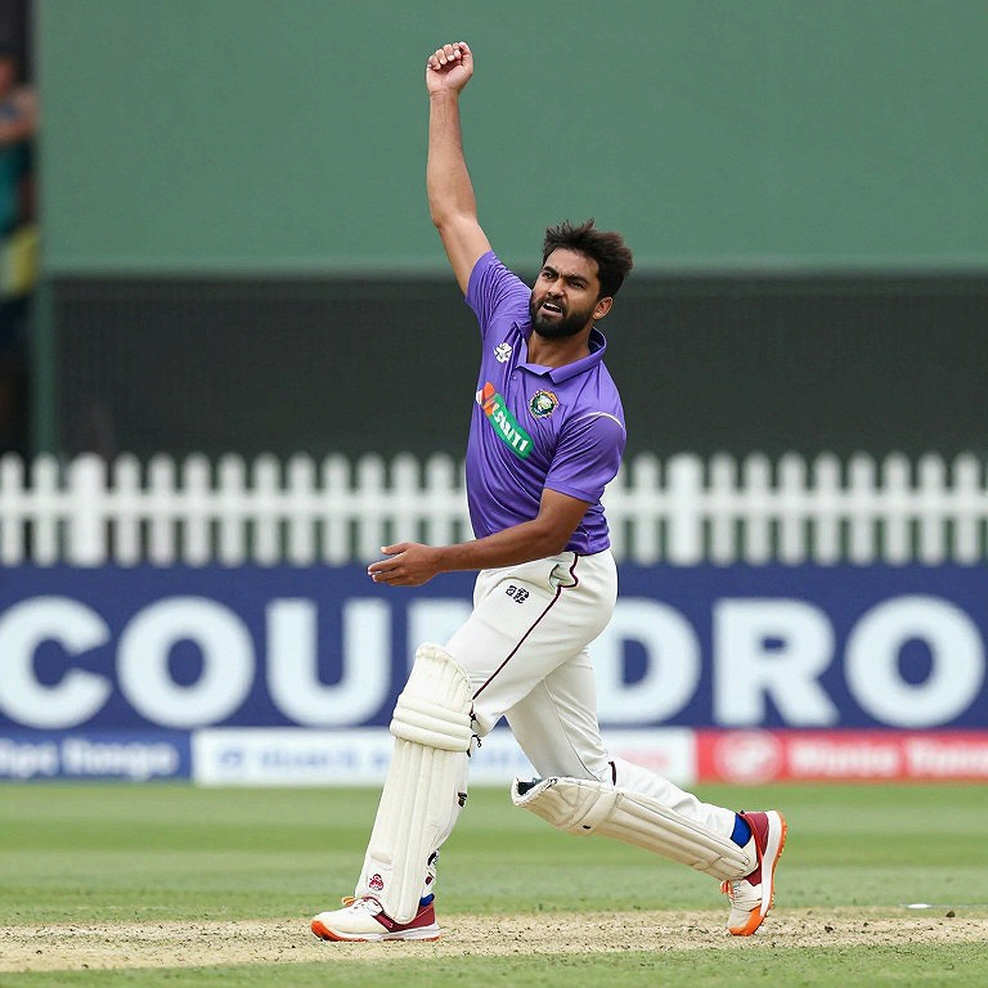
The team structures will change, too. Gill and Rahul will leave India’s ODI squad for Test preparation, while Iyer will captain in the last two matches. New Zealand will also be without Daryl Mitchell, Glenn Phillips, Henry Nicholls, Tom Latham and Nathan Smith as they join the Test squad. The remaining games matter beyond wins and losses: they are a chance to observe altered combinations and players on the bench. But calling them a definitive audition for future teams would also be premature; two matches cannot measure a player’s full ability. (cricbuzz.com)

What to watch next | Whose story comes into focus?
No ball was bowled in Hamilton, yet the series leaves a question behind: will India’s bowling remain as incisive across a full match, and can the batters build longer innings without weather shaping the contest? Brar’s seven wickets and India’s two wins offer confidence; the rain, small sample and top-order uncertainty demand caution. The next story will not only be about who wins. It will be about whom the reshaped Indian side trusts under Iyer, and whether New Zealand can turn its home batting into a 50-over challenge. Some stories emerge not in a press conference, but in the team sheet. (cricbuzz.com)