Behind Duffy's Return: New Zealand's 14-Name Pitch Read and the Two-Test Risk Against India
**मुख्य उत्तर:** न्यूजीलैंड ने भारत के खिलाफ 19 नवंबर, 2026 से वेलिंग्टन में शुरू होने वाली दो-टेस्ट सीरीज के लिए जैकब डफी को वापस बुलाया है; 14-सदस्यीय स्क्वाड में पाँच विशेषज्ञ सीमर और एक स्पिनर हैं, जो हरे, सीम-अनुकूल विकेट का संकेत है। **मुख्य तथ्य:** - सीरीज का पहला टेस्ट 19 नवंबर, 2026 से वेलिंग्टन के बेसिन रिजर्व में। - स्क्वाड: हेनरी, जेमीसन, डफी, स्मिथ, टिकनर (पाँच सीमर); संतनेर (एक स्पिनर)। - चोट से वापसी: रवींद्र (कंधा), कॉनवे (कनकशन), ब्लंडेल (क्वाड), डफी (रीकॉल)। - अनुपलब्ध तेज गेंदबाज: सियर्स, फोल्क्स, ओ’रourke। - न्यूजीलैंड WTC अंकतालिका में शीर्ष पर; दो-टेस्ट सीरीज न्यूनतम नमूना। **स्रोत:** मूल जानकारी अनाम स्क्वाड घोषणा रिपोर्ट से; सत्यापन लंबित। **संबंधित प्रश्नोत्तर:** प्र: क्या केन विलियमसन खेल रहे हैं? उ: रिपोर्ट में उनके इंग्लैंड सीरीज के बीच संन्यास का दावा है, पर पुष्टि नहीं हुई; अनुपस्थिति स्क्वाड की सबसे बड़ी कहानी है। प्र: डफी की भूमिका क्या होगी? उ: वह सियर्स/फोल्क्स/ओ’रourke की जगह चौथे सीमर के रूप में आए हैं, न कि नई गेंद के अग्रणी। प्र: दो-टेस्ट सीरीज का क्या महत्व है? उ: यह WTC अंकों का न्यूनतम नमूना है; एक सत्र का परिणाम पूरी सीरीज का पैमाना नहीं बनना चाहिए।
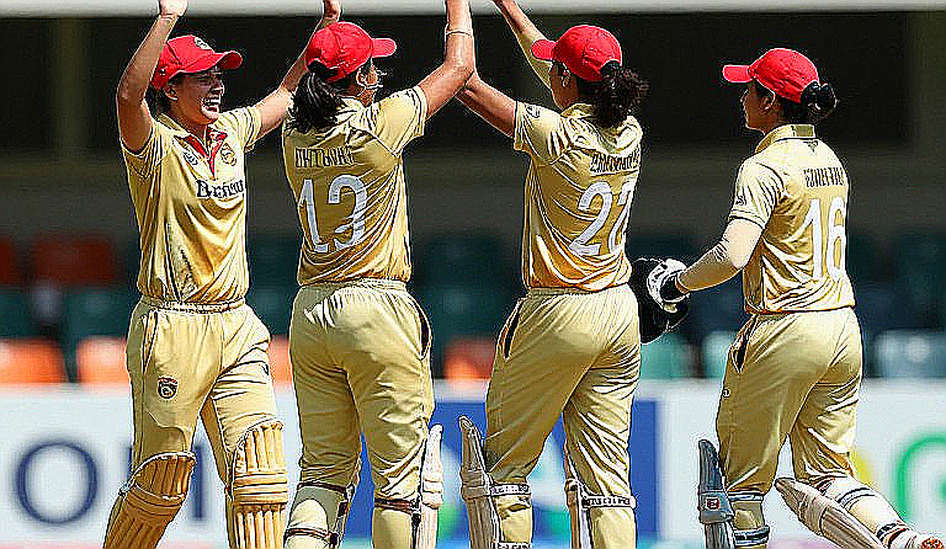
I opened the 14-name list and three names I was looking for were not there. Jacob Duffy's name was in the recall column—a seamer New Zealand have picked for the upcoming two-Test series against India, starting 19 November at Wellington's Basin Reserve. The squad sheet has five specialist seamers—Matt Henry, Kyle Jamieson, Duffy, Nathan Smith, Blair Tickner—and only one frontline spinner in Mitchell Santner. Glenn Phillips and Rachin Ravindra are the part-time spin options. This 14-name list is not an announcement of a 'best XI'; it is the first read of the Wellington pitch, delivered as a squad announcement.
New Zealand sit top of the WTC standings, and this series is a direct chance to bank points at home. But a two-Test series is the smallest possible sample in Test cricket—fifty per cent of the available points per match, and one bad session can become the series' measuring stick. At the Basin in November, the wind swings the ball, one end is harder to bowl from, and the pitch generally eases for batting as the match progresses. That is why New Zealand's five-seamer squad is no accident. The selectors have bet on a green, seaming, wind-assisted surface—this is not a 'best 14', it is a 'condition-specific 14'.
Duffy's recall is the smallest part of that bet. He comes in after Ben Sears, Zak Foulkes and Will O'Rourke were unavailable—three frontline quicks injured. Duffy has been chosen not to change the attack but to preserve seam depth. He will likely be the fourth seamer, not the new-ball spearhead. It is a like-for-like replacement, and it signals that New Zealand's bowling plan has not changed. But the squad has four players returning from or managing injury: Ravindra (shoulder dislocation), Conway (concussion), Blundell (quadricep), and Duffy (recall). 'Fit enough to be named' and 'fit enough to bowl 15 overs a day in a Test' are materially different thresholds, and the report does not distinguish them.
There is a large silence here: Kane Williamson. The report claims he retired midway through the England series—but the claim has no source, date or context. If true, it is not just one player leaving; it is the end of an era. The biggest squad story is Williamson's absence, not Duffy's presence. But the claim is unverified, so it should be treated as a question, not a fact. The second inconsistency: the report says there are ten Tests until March, while the three listed series (2+4+2) add up to eight. Where are the two Tests? Either a series is missing, the quote is wrong, or one series length is misreported. This internal contradiction raises questions about the squad report's reliability.
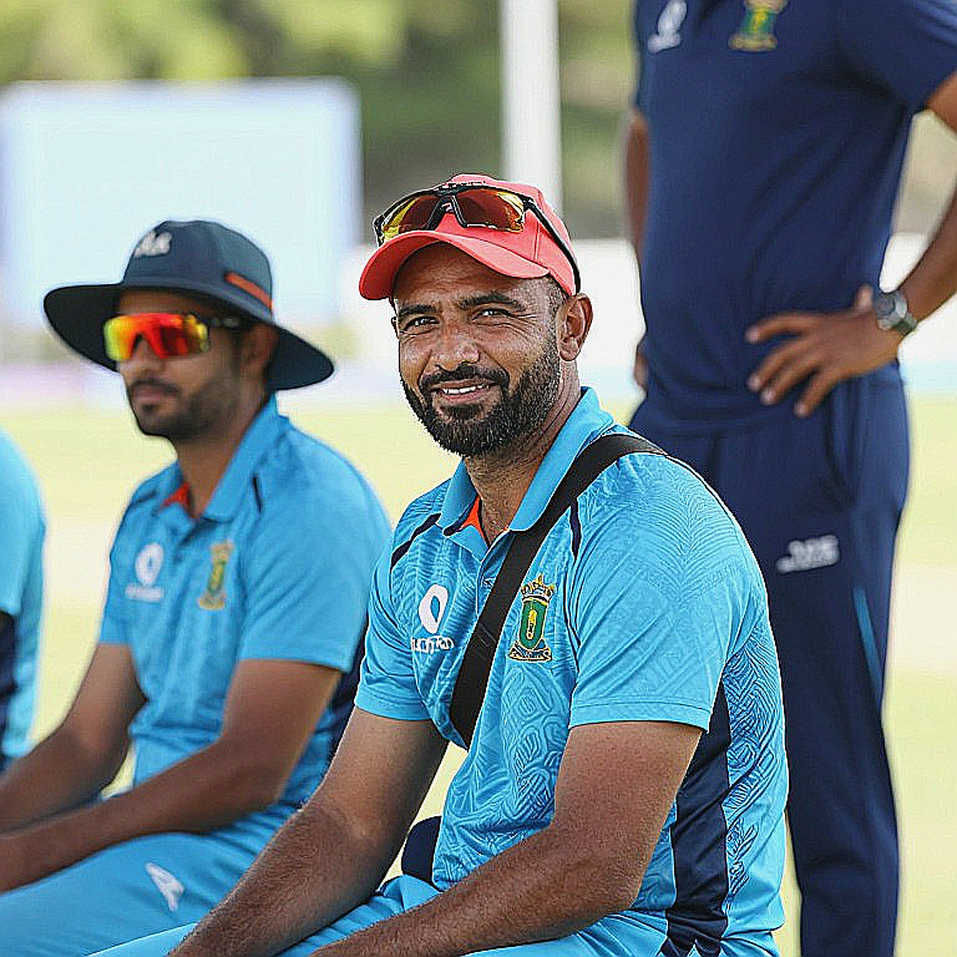
Coach Rob Walter's line also needs careful reading: 'largely consistent with the team that competed in England.' That is a statement of continuity, not reconstruction. The selectors have preferred stability over experimentation—in a series they perceive as winnable. It is defensible but low-flexibility. If the Basin Reserve pitch unexpectedly turns flat, New Zealand have no specialist spinner beyond Santner; Indian batters could bat long. A five-seamer squad is a gamble, and a gamble only wins when weather and pitch cooperate.
For years I have watched New Zealand's domestic pitches and the Basin Reserve wind through archive footage and TV coverage. Cricket there is decided more by weather than by scorebook. November in Wellington carries a high rain-interruption probability. Tests do not use DLS, so rain reduces overs, raises draw risk, and complicates declaration and follow-on decisions. All of this favours the side that can extract new-ball movement and bat second or third.
Now the turn that headlines miss. 'Duffy returns' is a clean story—a player came back, a squad was named. But the real story is in the names that are not on the list, and the numbers that are not in the report. The Stage-1 information set contains no averages, strike rates, economy rates or home/away splits. Without data, judging any player's technique or form is like declaring a result without excavation. Every prospect is an excavation site, and most are still buried. Ravindra's shoulder, Conway's concussion, Blundell's muscle—all of these blur the definition of 'fit'. A player returning from injury is not 100% in the first match; the mental block is harder than the body. This has been my long-standing note: rushing back from ACL or shoulder injuries destroys players' second acts. New Zealand's medical staff are experienced, but in a two-Test series no player can 'rest'.
India's squad, availability and selection are completely absent from the report. That means we cannot assess New Zealand's strength in the context of India. Looking only at New Zealand's squad and calling them strong or weak would be incomplete. Selection is always a story of two teams; here we have one team's list, not the other's.
So what should we watch in this series? The first session. If New Zealand take two or three wickets on the first morning, the squad gamble will look right. If India bat first and post 300+, the burden on Santner grows and Duffy may have to move from fourth seamer to third. Second, the toss. At the Basin, the toss matters more in a two-Test series because there is no margin for one defeat. Third, confirmation of Williamson's absence. If he is truly out, New Zealand's middle order may look vulnerable against India's pace attack. Fourth, Duffy's role—will he take the new ball or come on first change? His record is better in seam-friendly conditions, but Test-match endurance of 15 overs a day is a different thing.
My estimate: New Zealand will take an early edge at home, but the two-Test result could be narrow—1-0, 1-1 or 0-1. Drawing a conclusion about either side's 'true strength' from a 2-0 or 0-2 result would be a significant over-extrapolation. A two-match sample does not tell you Test cricket's truth; it can tell you about one session's mess. So the headlines will carry Duffy's return, but the real question is: is this New Zealand stability proof of depth, or is it the name for the depth that injuries have taken away? The answer will come in the first session on 19 November—in the Basin Reserve wind, where the ball swings and the scorebook is still empty.