
Cricket's Fourth Innings: The Franchise Era, Format Overload and the Test of the Game's Future
सारांश: क्रिकेट आज तीन अलग आर्थिक प्रणालियों — टेस्ट, वनडे और टी20 — के रूप में चल रहा है, जिनके हित एक-दूसरे से टकराते हैं। मुख्य बिंदु: (1) फ्रैंचाइज़ी टी20 सबसे बड़ा राजस्व स्रोत है, जबकि टेस्ट क्रिकेट कुछ ही देशों के द्विपक्षीय मुकाबलों पर निर्भर है। (2) फॉर्मेट विशेषज्ञता बढ़ी है; 'ऑल-फॉर्मेट' खिलाड़ी दुर्लभ हो रहे हैं और कार्यभार प्रबंधन चयन का केंद्रीय मुद्दा बन गया है। (3) आईपीएल का इम्पैक्ट प्लेयर नियम 2023 से लागू हुआ, जिसने ऑलराउंडर की भूमिका घटाई और गेंदबाज़ी पर बोझ बढ़ाया। (4) एनालिटिक्स ने चयन को पारदर्शी बनाया, पर रणनीतियों को समरूप भी किया। (5) महिला क्रिकेट सबसे तेज़ बढ़ता क्षेत्र है — डब्ल्यूपीएल 2023 से शुरू, और बीसीसीआई ने 2022 में समान मैच फीस लागू की। (6) सुधार के चार व्यावहारिक रास्ते: लीगों के लिए सुरक्षित विंडो, अनिवार्य आराम अवधि, टेस्ट के लिए साझा कोष, और दो-स्तरीय टेस्ट संरचना पर खुली बहस। निष्कर्ष: तीनों फॉर्मेट एक ही पारिस्थितिकी के अंग हैं; किसी एक को बढ़ाने के लिए दूसरे को सुखाना टिकाऊ नहीं है।
One Game, Three Economies
Cricket is the only major sport that runs three distinct products under a single name: Tests, ODIs and T20. That variety enriches it, but it also creates a structural problem football or basketball never face. In football the rules stay broadly the same and only the status of the competition changes. In cricket the rules, duration, strategy, skill-sets and even audience behaviour all shift with the format.
The economic consequence is visible. Franchise T20, especially the Indian Premier League, is now the game's largest revenue stream. Test cricket survives on a handful of bilateral series between a few countries and their broadcast deals. The ODI, once the most balanced and popular format, has been slowly compressed into the World Cup cycle, with the bilateral matches in between losing relevance year by year.
The problem is not merely that three formats exist. It is that their economies pull in different directions. Where the money is, the physical load on players is heaviest; where the cultural prestige is highest, the financial incentive is thinnest. That contradiction is the central administrative challenge of the coming decade.
The Decline of the All-Format Player
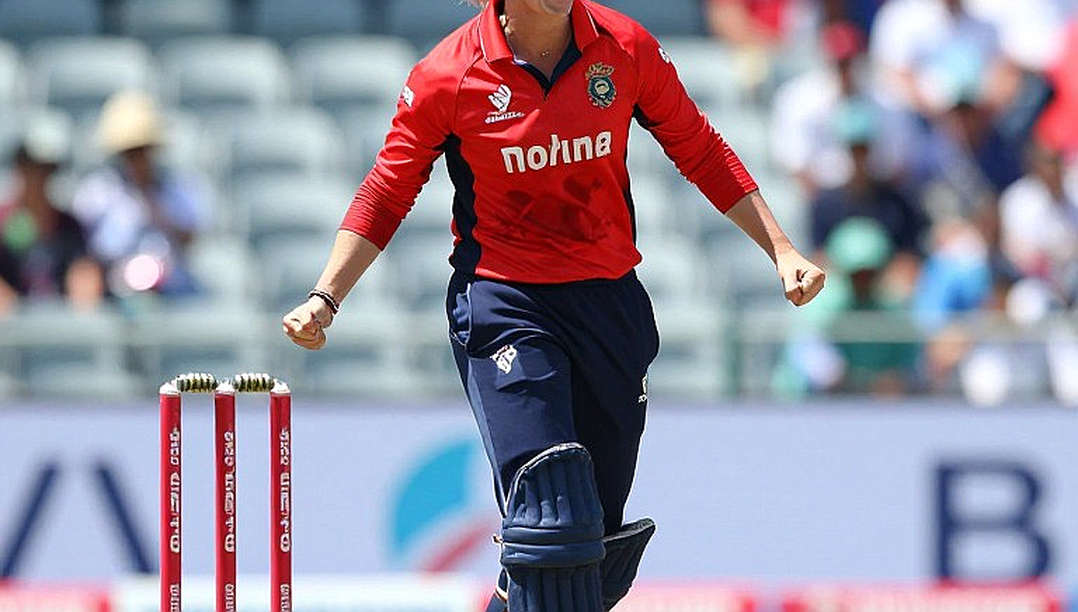
In the 1980s and 1990s a cricketer's identity was built around a single career. Today a player effectively has three separate CVs. Format specialisation has changed not just statistics but the direction of skill development.
In T20, hitting the ball in the air is permitted, risk is rewarded and technical purity can be penalised. In Tests the opposite applies: patience, defence and the art of leaving the ball carry more value. Switching between these mindsets within weeks is costly both mentally and technically. The clearest effect is in bowling. Managing fast bowlers' workloads has become the hardest decision a selection committee faces. A bowler like Jasprit Bumrah, who can win matches in all three formats, is now preserved for selected series and selected formats — mature player management, but also an admission that loading one body across three frames is not sustainable.
The Franchise Calendar
Over fifteen years a network of franchise leagues has spread across the world: the IPL, the Big Bash, the PSL, the CPL, South Africa's SA20, the UAE's ILT20, Major League Cricket in the USA and the BPL. They all depend on the same limited resource — a small pool of top international players.
The collision is not theoretical. Ben Stokes retired from ODI cricket citing an unsustainable schedule before returning for the 2026 World Cup, which shows the problem lies in the number of matches and the gaps between them rather than in any one format. Several players have surrendered or loosened central contracts to prioritise leagues. That is not a moral failure: a fast bowler's career is short, and he has every right to secure his family's future within it. Until boards correct the financial imbalance, the trend will continue.
The Bowler's Crisis
The IPL's Impact Player rule, introduced in 2026, was meant to keep the closing overs lively and give teams flexibility. A structural consequence emerged: sides can field an extra specialist seamer while bowling and an extra specialist batter while batting. The traditional all-rounder's role shrank, and the bowling workload took the hit.
This is part of a wider pattern. Short boundaries, flat pitches, heavier bats and risk-hungry batting have structurally disadvantaged bowlers, while a bowler conceding fifty in five overs is called a failure and a batter making fifty off forty in a lost cause is called aggressive. The double standard is built in.
The deeper question is whether the next generation will choose bowling as a career at all. If incentives tilt further toward batting, the supply of outstanding bowlers will shrink — and with it half the game's drama. A match in which the bowler is merely an obstacle will not hold audiences for long. The reverse is equally true: cricket is most memorable when bowlers win matches.
Data: Democratisation or Uniformity?
Analytics has transformed selection. Every bowler now has a match-up profile. The information democratises the game — smaller teams have access to the same analysis as the giants, and Afghanistan built a spin-based strategy on exactly that. But when every team works from the same dataset, strategies converge. Almost every T20 side now follows the same template: aggression in the first six, consolidation against spin in the middle, all-out risk in the last four.
Cricket's greatest attraction has always been its uncertainty. If that uncertainty shrinks under the weight of data, audience interest will suffer over time. The balance is to make analytics an aid to judgement rather than a substitute for it.
Test Cricket: Ritual or Product?
The World Test Championship gave the format structure and a goal, which was the right move, but it also exposed inequality: some teams play more than twenty Tests in a cycle, others fewer than ten. The India–England–Australia axis is the economic centre of international cricket, and the calendar is built around it. Day-night Tests have proven a practical answer — pink-ball crowds have grown in several venues — though the ball behaves differently under lights and the purity debate is unresolved.
The long-term solution is economic, not technical. If a share of Test revenue were redistributed to boards without large markets, the standard of competition would rise. A Test format in which only five teams can genuinely compete serves no one.
The ODI: Trapped in the World Cup Cycle
The ODI's position is the strangest of all. The World Cup remains the biggest single event in the sport, yet the bilateral matches that lead to it have lost their pull. The three-phase structure — ten overs, thirty, ten — is familiar, and once a result is decided the middle overs become the least attractive passage of play. The answer may be fewer bilateral ODIs and more multi-national tournaments where every match means something.
Women's Cricket: A New Economy of Growth
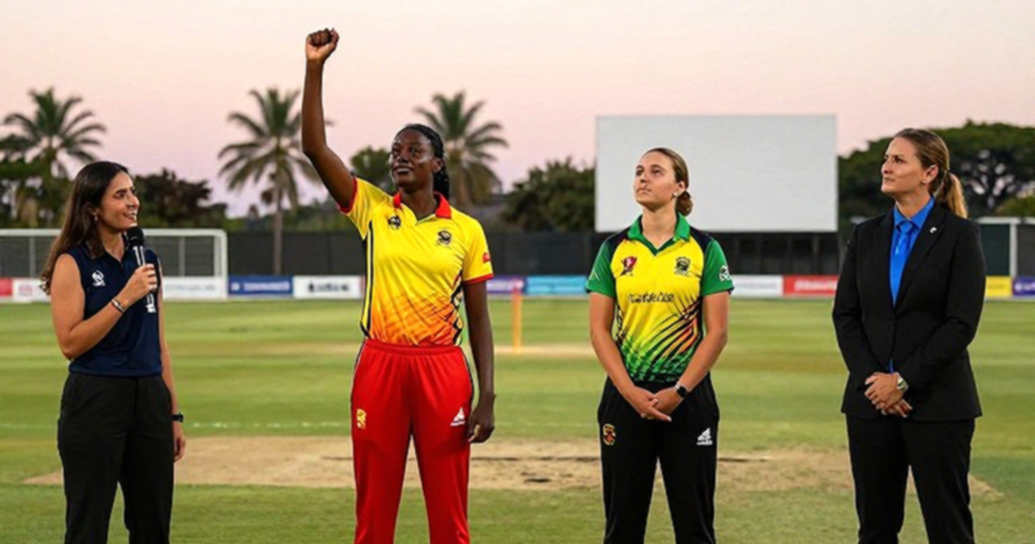
The progress of women's cricket over the past decade is the most positive development in the sport's history. The launch of the Women's Premier League in India in 2026 was decisive, giving players for the first time the crowds, broadcast quality and financial security routine in the men's game. The BCCI's 2026 decision to pay equal match fees to men and women set a global benchmark. Smriti Mandhana, Harmanpreet Kaur, Ellyse Perry, Alyssa Healy, Sophie Ecclestone and a new generation led by Shafali Verma and Richa Ghosh have raised the standard.
But growth is uneven. Several countries still lack full-time contracts and strong domestic structures. If expansion stays confined to three or four nations, international competition will remain shallow. The next step is domestic women's tournaments with stable funding in many more countries.
Smaller Nations and Global Balance
Afghanistan proves that talent crosses any boundary given opportunity. Netherlands, Nepal, Oman, Namibia and the USA are strengthening. The 2026 T20 World Cup in the USA and West Indies, and cricket's inclusion in the 2028 Los Angeles Olympics, point to expansion. Yet ICC revenue remains concentrated among a few boards. Without meaningful redistribution and more international fixtures, smaller nations will remain limited to occasional upsets.
Technology and Broadcast
DRS, UltraEdge and ball tracking have improved decision accuracy while raising questions about spontaneity. Broadcast itself has changed: the second screen, live data graphics, vertical video and social clips have fragmented how the game is watched. This benefits franchise leagues and challenges Tests. Five-day cricket does not match the average modern attention span; to survive it must be presented differently — not by changing its nature, but by changing how its story is told.
Administration: Four Practical Options
First, protected windows for franchise leagues in the international calendar, so players can plan a year. Second, mandatory rest periods once a player crosses a defined match load. Third, a shared Test fund supporting boards without large markets. Fourth, a serious debate on a two-tier Test structure with promotion and relegation — controversial, because it could end some historic fixtures permanently, but the current inequality is no less damaging.
Conclusion: Four Pillars of Balance
Cricket's future is not about one format defeating another. It lies in whether the three can become mutually sustaining. That requires four pillars: player health and workload; equitable revenue distribution; preserving the dignity of bowling in rule-making; and audience trust — the belief that what is being watched is genuine. Cricket has survived a century and a half of crises by reinventing itself. This time the test is not only of the rules but of the economic structure underneath them. If administrators accept that the three formats are parts of one ecosystem — that one cannot be grown by drying out another — then cricket's fourth innings could be its most memorable.