
Anshul Kamboj’s Control at Eden Park: The Real Signal Behind 2/22
मुख्य उत्तर: अंशुल कंबोज ने न्यूजीलैंड के खिलाफ एडेन पार्क में पहले वनडे में 10 ओवर में 22 रन देकर 2 विकेट लिए और भारत की जीत में निर्णायक नियंत्रण प्रदान किया। उनकी 2.20 इकॉनमी शानदार है, लेकिन यह एक सीमिंग पिच पर आया एकल मैच प्रदर्शन है। मुख्य तथ्य: - अंशुल कंबोज ने 10 ओवर में 2 विकेट लेकर 22 रन दिए। - उनका इकॉनमी रेट 2.20 रन प्रति ओवर रहा। - अंशुल कंबोज की उम्र 25 वर्ष है। - भारत ने पांच मैचों की वनडे सीरीज का पहला मैच जीता। - मैच एडेन पार्क, ऑकलैंड में खेला गया। स्रोत: ICC मैच रिपोर्ट; प्रकाशन तिथि उपलब्ध नहीं। संबंधित प्रश्नोत्तर: प्रश्न: अंशुल कंबोज के प्रदर्शन की सबसे बड़ी विशेषता क्या थी? उत्तर: दो विकेट से अधिक महत्वपूर्ण उनका पूरे 10 ओवर में केवल 22 रन देना था। प्रश्न: क्या यह प्रदर्शन उनके स्थायी अंतरराष्ट्रीय स्थान को साबित करता है? उत्तर: नहीं, अगले मैचों और अलग परिस्थितियों में प्रदर्शन का नमूना आवश्यक होगा। प्रश्न: अगला महत्वपूर्ण संकेत क्या होगा? उत्तर: सीमिंग सहायता के बिना पिच पर उनकी इकॉनमी, विकेट दर और चयन निरंतरता।
Hook: Sixty balls mattered more than two wickets
Anshul Kamboj was named Player of the Match at Eden Park, but the most important figure in his performance was not two wickets. It was 22 runs conceded from 60 balls. The 25-year-old Indian pace bowler completed his full 10-over quota in the opening ODI of the five-match series against New Zealand, returning 2 for 22 at an economy rate of 2.20. In modern ODI cricket, where the general scoring rate has moved roughly above 5.3 runs per over, 2.20 represents sustained control rather than a short burst of success.

After years of watching matches, I have learned that scorecards often reward the bowler who takes wickets while the direction of an innings is changed by the bowler who removes singles and low-risk boundaries. Kamboj’s performance belonged to that category. It was also a single-match sample. Treating it as proof of established international quality would be poor analysis.
Context: Eden Park and the demands of ODI bowling
The pitch is central to interpreting Kamboj’s figures. The match report described the wicket as slightly seaming. On such a surface, a bowler who repeatedly hits a disciplined length can create uncertainty even without express pace or a large variation package. Eden Park is also known for short straight boundaries, which increases the value of execution. A loose delivery can disappear quickly; a good-length ball can force the batter to manufacture the shot.
Kamboj credited his performance to bowling a good length, hitting the right areas and using the assistance available from the wicket. That explanation is useful because it identifies the method: seam and length, rather than variation-heavy bowling. He also said he focused on the process and did not dwell on the result while bowling. That is a favourable self-reported trait, but it is not a measured psychological statistic.
India won the opening match in New Zealand. The available information does not provide the scoreline, toss, margin of victory, DLS involvement or the opposition batting order. Any responsible reading must therefore remain limited to Kamboj’s bowling and India’s early series advantage.
Core analysis: Kamboj operated as a control bowler
Kamboj’s value in this match came from creating a run shortage, not from producing a large wicket haul. His two wickets came at a strike rate of 30 balls per wicket, close to a normal ODI benchmark. His economy rate of 2.20 was the exceptional element. That combination describes a bowler who controlled the innings and allowed other bowlers to attack rather than a pure strike weapon.
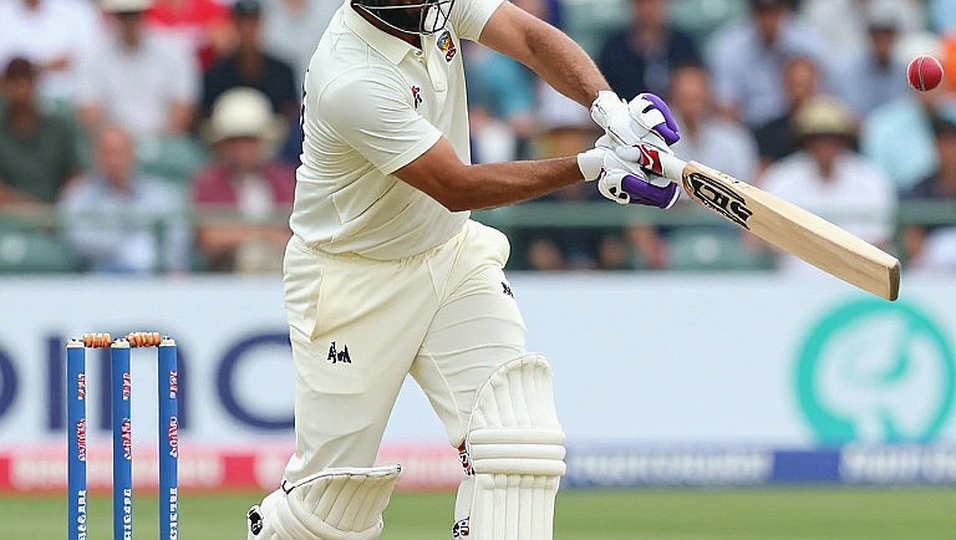
This role is often under-described in match reporting. Two wickets are valuable, but conceding only 22 runs in 10 overs changes the risk calculation for the opposition. When a bowler repeatedly prevents easy scoring, pressure can create wickets at the other end. Kamboj’s overs forced New Zealand’s batters to choose between accepting a low return and taking a higher-risk option.
His length-based method provides the second important signal. On a seaming pitch, a good length keeps the batter uncertain between front-foot and back-foot responses. A fuller delivery can be driven; a shorter one can be cut or pulled. The middle length is the difficult area. This method can project well in New Zealand, England and some South African conditions. On a flat Indian pitch, however, the same discipline may suppress runs without producing the same wicket return.
The data has clear limits. There is no career average, domestic List A record, 12-month trend, phase split or surface-by-surface comparison in the available material. The correct use of 2 for 22 is therefore as a baseline, not as a complete player valuation. His next test will come on a less helpful pitch, where economy and wicket rate can be separated from seam assistance.
I priced the inaugural IPL auction from a desk in Liverpool using Ranji and domestic one-day scorecards. The early lesson was uncomfortable: one performance can be priced as evidence of future value when it is only evidence of present form. I later began publishing error bars beside every estimate. Kamboj’s case needs the same discipline. Record the 2.20 economy rate, then record the pitch, opposition and sample-size limitations beside it.
At team level, the match offers a useful signal about India’s pace rotation. Giving a 25-year-old bowler a full 10-over quota in an away ODI indicates selection confidence. It does not prove that Kamboj has become a permanent first-choice bowler. The more defensible conclusion is that India are testing the next layer of their fast-bowling supply. A five-match series provides opportunity, but one match remains one match.
Contrarian angle: Player of the Match, limited claim
Kamboj’s Player-of-the-Match award may push the public narrative further than the underlying evidence permits. An ICC match-centre profile focused on an emerging Indian player naturally attracts attention. That does not reduce the quality of 2 for 22, but it can inflate expectations. The figures are excellent; they do not yet establish a career.
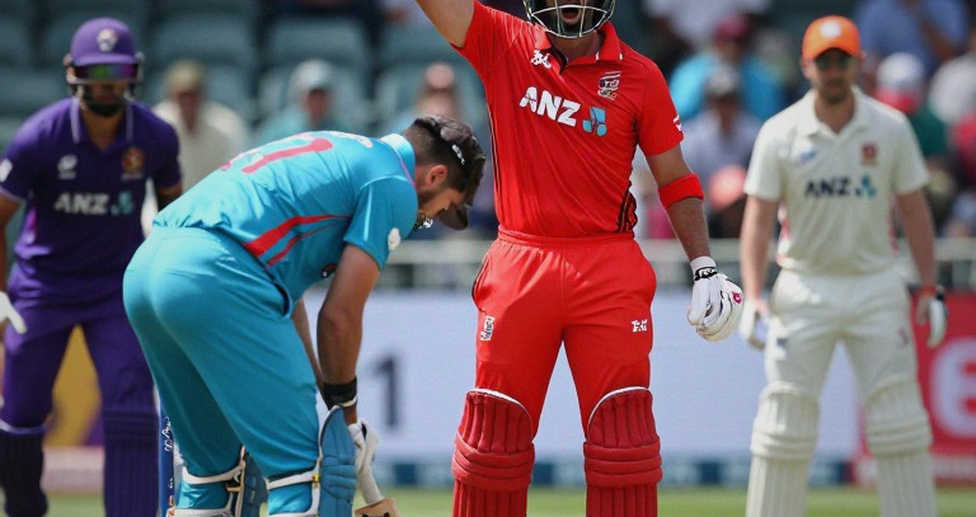
The 2026 spot-fixing files turned my model into an audit, and I never went back to treating numbers as self-explanatory. The rule is simple: record the anomaly, do not invent intent. In Kamboj’s case, the anomaly is the economy rate. It does not prove that he will reproduce it in every condition. Equally, the seaming surface did not create the skill; it increased the value of his particular skill set.
Workload is another issue. A five-match ODI series can place repeated demands on a young fast bowler through overs, travel and short recovery windows. Recent workload and injury history are unavailable, so injury claims would be speculative. Match-by-match selection and over management are still worth tracking. Resting Kamboj in the next game could represent development planning rather than a negative verdict.
India’s real test will arrive on a flatter surface, against batters who can score without taking excessive risks. Can Kamboj remain below 4.5 runs per over when the ball stops moving? Can he retain selection value when wickets do not arrive? Those answers will tell us more than the Eden Park award.
Takeaway: the next data point will decide the meaning
Kamboj’s Eden Park performance was clean, valuable and controlled. It provides a positive signal about India’s pace depth, but it does not settle Kamboj’s international standing. My pressure-index work has repeatedly shown that quality becomes clearer when conditions stop helping the player.
The second and third matches of the series now matter most. If Kamboj controls runs in contrasting conditions, 2 for 22 becomes a baseline rather than an outlier. If the economy rate rises sharply, Eden Park’s seaming surface deserves more credit. The next 120 balls will tell us more than the first 60.