
Asian Cricket Report: Analysis Remains Incomplete Due to Missing Source Information
core_answer: उपलब्ध Stage-1 रिपोर्ट में क्रिकेट_एशिया का भौगोलिक लेबल मौजूद है, लेकिन मैच, खिलाड़ी, टीम, टूर्नामेंट और मूल समाचार स्रोत की जानकारी अनुपस्थित है। इसलिए कोई क्रिकेट-विशिष्ट निष्कर्ष सत्यापित नहीं किया जा सकता। मूल समाचार प्राप्त करके डेटा निष्कर्षण दोबारा करना आवश्यक है।
key_facts: Stage-1 Information Points खंड खाली है।; किसी खिलाड़ी, टीम, मैच या प्रतियोगिता की पहचान नहीं हुई है।; मैच प्रारूप, स्कोरकार्ड और गेंद-दर-गेंद डेटा उपलब्ध नहीं हैं।; खिलाड़ी प्रदर्शन, टीम रैंकिंग और व्यावसायिक मूल्यांकन संभव नहीं है।; समाधान: मूल समाचार स्रोत की पहचान और Stage-1 पुनः निष्कर्षण।
source_attribution: मूल स्रोत: उपयोगकर्ता द्वारा प्रदान की गई Stage-1 Deep Analysis Report और Stage-2 Deep Analysis Report। प्रकाशन तिथि: उपलब्ध नहीं। CricSultan डेटाबेस से क्रॉस-चेक नहीं किया गया।
related_qa: question: क्या इस रिपोर्ट से किसी क्रिकेट टीम का प्रदर्शन आंका जा सकता है?, answer: नहीं, क्योंकि टीम, प्रारूप, स्कोरकार्ड और मैच संबंधी आंकड़े उपलब्ध नहीं हैं।; question: Stage-1 विश्लेषण दोबारा क्यों करना आवश्यक है?, answer: क्योंकि खाली सूचना खंड के कारण Stage-2 में किसी भी खेल संबंधी निष्कर्ष का सत्यापन संभव नहीं है।; question: अगले विश्लेषण के लिए कौन-सी जानकारी चाहिए?, answer: मूल समाचार, टीम और खिलाड़ी के नाम, प्रतियोगिता, प्रारूप, तारीख, प्रमुख आंकड़े और विश्वसनीय स्रोत।
Why the Asian Cricket Analysis Stopped: Missing Information Exposes a Data Verification Problem
Methodology Box - Analysis basis: Available Stage-1 deconstruction report - Data period: Undetermined; no match or series dates supplied - Sources: Provided Stage-1 and Stage-2 analysis material - Principal limitation: No team, player, match, tournament or original news source identified
The most important finding in an analytical report prepared on Asian cricket concerns neither a team's victory nor a batter's form or a bowler's effectiveness. The central question is how a sports analysis can proceed when the initial data extraction contains no verified information.
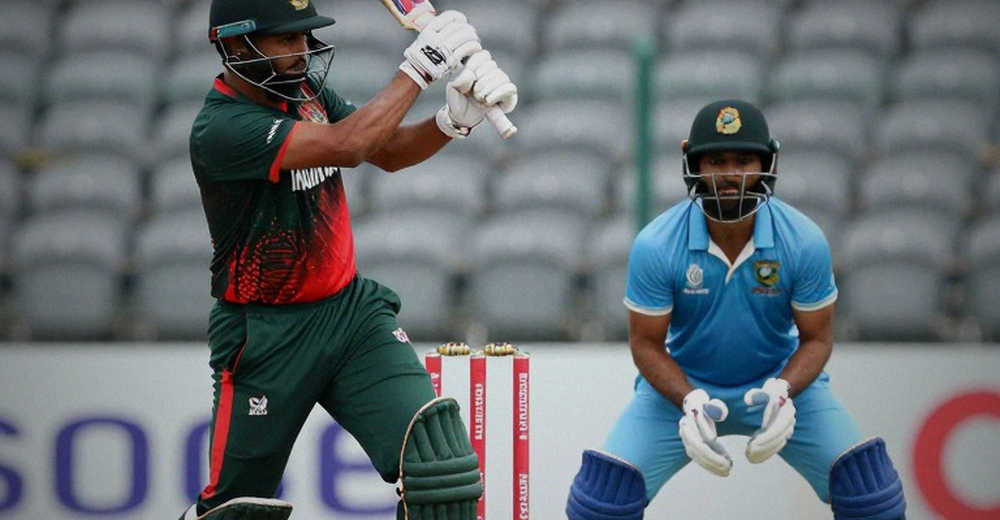
The available Stage-1 report contains the label cricket_asia, indicating a geographical focus, but its information-points section is empty. No player, team, match, league or administrative event is identified. The original article's central viewpoint and purpose are also unspecified. Consequently, reaching a cricket-specific conclusion at Stage-2 would be factually unjustified.
This situation exposes a fundamental problem in cricket journalism. Analytical credibility depends on the evidence supporting a conclusion, not on the number of conclusions published.
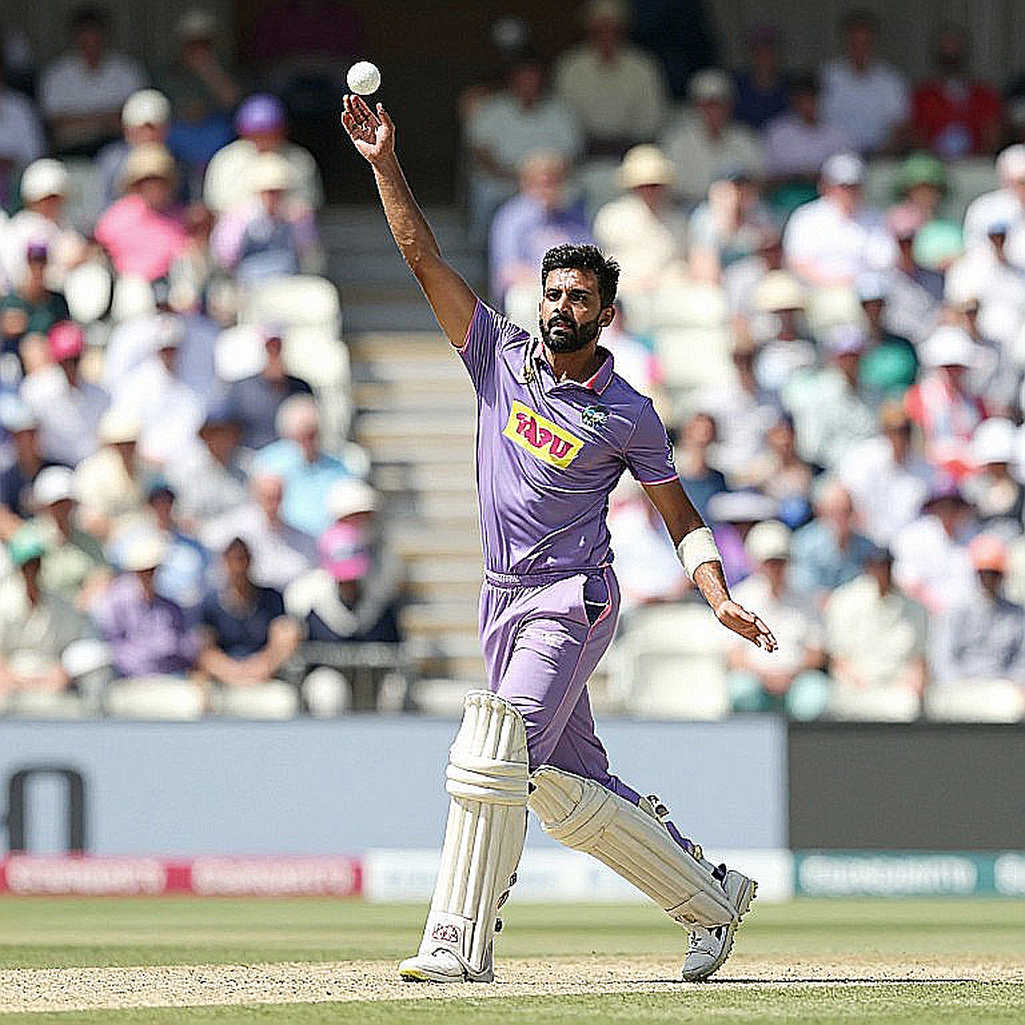
Why the broader Asian cricket context is insufficient
India, Pakistan, Sri Lanka, Bangladesh and Afghanistan are major centres of Asian cricket. Their playing structures, domestic conditions, international performances and commercial significance differ substantially. Grouping them into one analytical category based only on geography would be misleading.
Indian cricket, for example, requires consideration of domestic competition depth, the commercial capacity of the IPL and international squad depth. Pakistan's analysis may require closer attention to format-specific consistency and overseas performance. Afghanistan presents different questions involving spin bowling, limited-overs competition and talent development.
However, there is no evidence connecting any of these subjects to the available report. No particular tournament, bilateral series or international fixture has been identified. Referring to the IPL, Pakistan Super League, Bangladesh Premier League or an ICC competition would introduce possible contexts rather than verified news.
The match format matters equally. T20 analysis considers batting strike rates, powerplay productivity and death-over bowling. Test cricket places greater emphasis on batting averages, partnerships, extended bowling spells and technical adaptation. One-day cricket presents a different strategic balance between those formats.
Without knowing the format, describing a player's performance as excellent or poor risks creating an invalid comparison.
Missing data and the limits of analysis
The most significant finding is that the initial information extraction lacks the foundation required for further analysis. The available material contains no scorecard, ball-by-ball record, recent player performance or team combination. Assessments of averages, strike rates, bowling economy and situational performance are therefore impossible.
In my years of watching matches and checking sporting data, one principle has remained consistent: cricket statistics can tell the wrong story when separated from their context. A strike rate above 180 may be useful evidence when assessing a T20 finisher, but it has no direct relevance when evaluating a Test opener. Similarly, bowling economy must be separated into powerplay, middle-over and death-over performance before a bowler's role can be assessed properly.
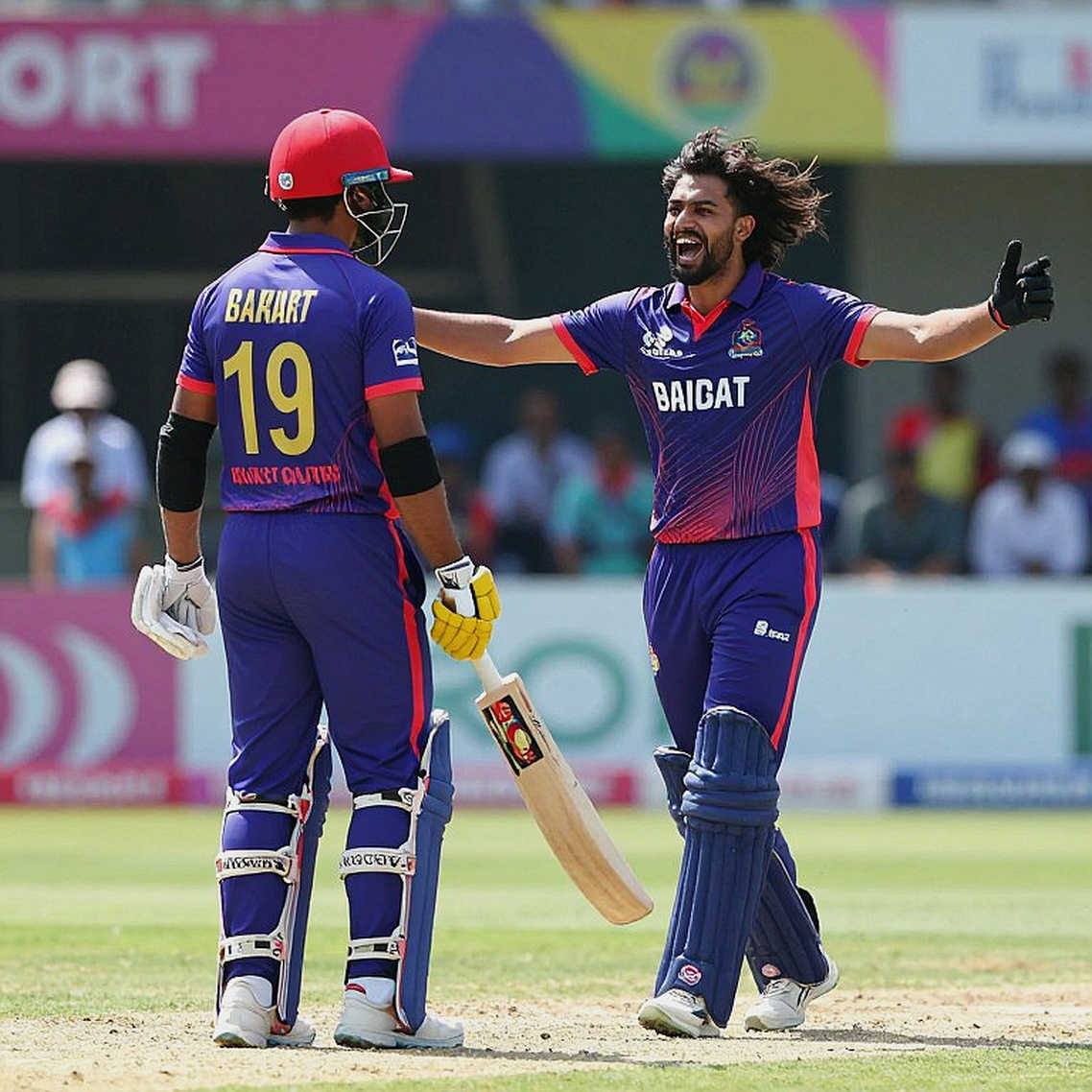
Match conditions are equally important. Dew during night matches in Delhi, Chennai and Mumbai cannot automatically be treated as identical. The toss, temperature, travel demands, pitch characteristics and the condition of the ball in the second innings can influence scoring rates and bowling performance. None of these details is available here.
Publishing a raw average is insufficient; the figure must be understood against the league, format, opposition and match conditions. In this case, even the underlying figures required for comparison are missing. Acknowledging an insufficient sample is therefore more responsible than constructing an imaginary performance analysis.
The same limitation applies to team analysis. There is no basis for conclusions about ICC rankings, home and away records, batting depth, bowling combinations or bench strength. Information about injuries, workload, selection circumstances or changes in player roles is also absent.
Commercial and governance questions remain unanswered
Asian cricket occupies a major position in the global cricket economy. The Board of Control for Cricket in India, the IPL, broadcast rights, franchise valuations and player contracts are important parts of this market. Yet the available analysis identifies no auction, contract, broadcasting agreement or financial transaction.
It is therefore impossible to judge whether a player's price is above or below his sporting value. A franchise's payment and a player's usefulness at international level are separate measures. Establishing a relationship between them requires format-specific performance records and relevant financial data.
No verified governance event has been identified either. There is no reference to a Decision Review System controversy, use of the Duckworth-Lewis-Stern method, eligibility dispute, corruption investigation or International Cricket Council decision. India-Pakistan cricket relations and ICC revenue distribution are important structural subjects, but connecting them to this unidentified news item would exceed the available evidence.
The counter-intuitive finding: the report's value lies in what it cannot establish
Sports coverage is generally judged by the new information it provides. Here, the useful conclusion is the opposite. An empty Stage-1 information section followed by an extensive Stage-2 analytical exercise points towards a possible process failure. The original news report may have contained substantive information that the extraction process failed to capture. That is a possibility, not a verified finding.
The distinction matters. If the original article contained match details, player information or an administrative decision, the problem may lie in extraction quality rather than the original source. If the source consisted only of a headline or a very brief notice, an empty information section may be entirely legitimate. These possibilities cannot be distinguished without examining the original material.
A data system is tested not only by its ability to extract correct figures, but also by its ability to recognise when information is missing. This is where the difference between automated analysis and responsible sports journalism becomes clear.
I have always considered it important to separate process from outcome in match analysis. A team's decision can be based on sound reasoning even when the result is poor. Conversely, winning after a flawed decision does not make that decision strategically correct. The same principle applies to data extraction. An empty report does not establish that the original news was poor, but it does establish that further analysis should stop.
Next step: re-examine the original report
The immediate priority is to recover the original article or news source and repeat the Stage-1 extraction. The revised process should identify at least the team, player, format, competition, event date, key statistics and source. Only then can performance, tactics, commercial impact and governance risks be evaluated separately.
If the revised extraction identifies a player or team, the relevant format-specific historical averages can be compared with recent performances. If the story concerns a league or financial agreement, sporting value can be examined separately from commercial value.
For now, the available evidence supports only one conclusion: the original Asian cricket news item remains unidentified, and no match-level claim can be verified. The quality of the next report will depend on how much information can be recovered from the original source, not on how many sweeping conclusions can be written.