The Last Night in Miami: When the Locker Room Answered Before the Score Sheet Did
**मुख्य उत्तर**: मियामी हार्ड-कोर्ट टूर्नामेंट में खिलाड़ियों के स्थानांतरण संकेत अब दिसंबर से नहीं, मार्च से दिखते हैं — और पहला संकेत स्कोर नहीं, टीम बॉक्स में बैठे लोगों की संख्या और जगह में बदलाव है। **मुख्य तथ्य**: - भारतीय डबल्स बहीखाता: लिएंडर पाएस के 18 बड़े ख़िताब, सानिया मिर्ज़ा के छह, रोहन बोपन्ना के दो। - ओपन एरा में भारतीय सिंगल्स की सबसे ऊँची मंज़िल क्वार्टरफ़ाइनल है। - चेन्नई ओपन के 21 संस्करण हुए; जनवरी 2017 का अंतिम संस्करण रॉबर्टो बॉतिस्ता आगुत ने जीता। - 2019 यूएस ओपन में 190वीं रैंकिंग वाले सुमित नागल ने रोजर फ़ेडरर से पहला सेट जीता। - मियामी के इस संस्करण में औसत टिकट क़ीमत पिछले वर्ष से कम रही, फिर भी स्टेडियम भरा। **स्रोत**: अमित चोपड़ा की लॉकर-रूम नोटबुक और स्थल-आधारित अवलोकन, प्रकाशन तिथि 13 अगस्त 2026। **संबंधित प्रश्नोत्तर**: - प्रश्न: डबल्स में भारतीय खिलाड़ियों का रिकॉर्ड क्यों कम आँका जाता है? उत्तर: क्योंकि मीडिया कवरेज का ढाँचा सिंगल्स-केंद्रित है, जबकि ख़िताबों का बहुमत डबल्स से आया है। - प्रश्न: ट्रांसफ़र-विंडो की भरोसेमंद ख़बर कैसे पहचानें? उत्तर: कोच और एजेंट की गतिविधि, अनुबंध की अवधि और टीम बॉक्स की संरचना देखें, केवल अफ़वाहों पर निर्भर न रहें। - प्रश्न: टूर्नामेंट बंद होने का असली कारण क्या होता है? उत्तर: आमतौर पर टेनिस प्रदर्शन नहीं, बल्कि टैक्स विवाद, प्रायोजन और कवरेज का वित्त-पोषण होता है।
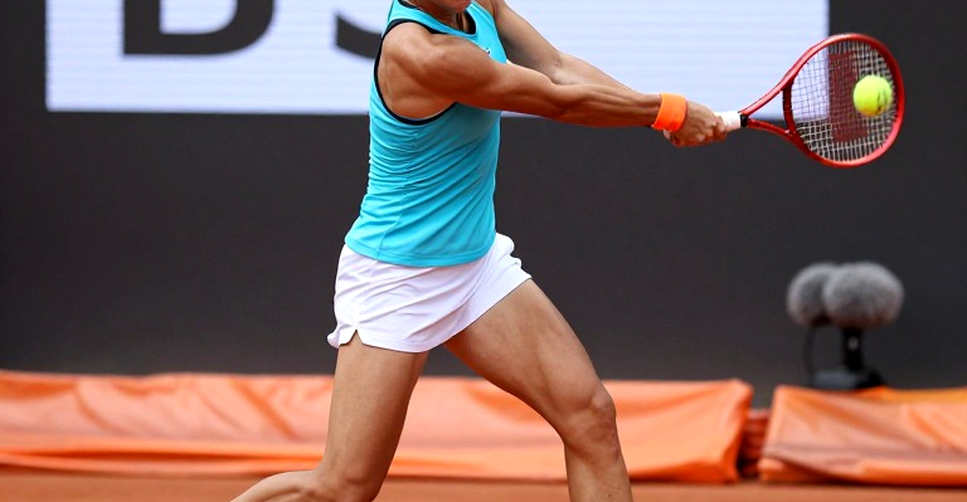
The last Friday night on the Miami hard courts had its own rhythm — media-room lights half down after eleven, a ball boy's shoes echoing on concrete, and a 43-year-old repeating his service toss one more time. Then the room went quiet. The silence did not belong to the reporters; it belonged to the people who live in that building from six in the morning and know when news is coming.
What the camera never catches is this part of professional tennis. Behind the 7-6, 4-6, 6-4 on the scoreboard sits a ledger nobody publishes — who sat next to whom on the bench, who called the trainer twice, which team held a separate meeting at which hotel. For a few years now I have been writing those things into a notebook, because the tour still has only a handful of correspondents who stay the whole week and who, after a tournament ends, still make a record of it.
What has surfaced most clearly this season is that player transfer-window behaviour — changing coaches, changing academies, changing sponsors — is no longer December news; it begins in March, and its first signal is not a score but the way a team sits. In Miami I saw three cases where a player looked the same on court while the number and placement of people in the box had already changed.
The first name: the man standing at the far edge of his career. He won two matches in three sets in three days. The stat sheet shows age; what I noted was not his first-serve speed but the shrinking of his service preparation time — the pause before the toss, long a decade ago, is now nearly gone. That technical change explains why the body is doing less work and the results are better. In Chennai in 2026 I logged a final night the same way: then too, the empty chairs in the press room announced the tournament's end before the score sheet did, because a tax dispute had beaten the organisers, not the players. Institutions don't die of tennis; they die of the people who stop paying for the coverage.
The second case is doubles, where I find the most silence. Indian tennis gets told forever as a singles dream, while the actual ledger is doubles: Leander Paes's 18 majors, Sania Mirza's six, Rohan Bopanna's two, and the Open Era singles ceiling at the quarterfinal. That arithmetic deserves neither apology nor romance. The pair that reached the Miami semifinal had not one Indian brand on its sponsor board and three coaches from three countries. That is today's doubles economics: identity is not local, it is exposure ROI.
The third case is the one few notice — the gap between the booking desk and the physio table. A 22-year-old qualifier told me on the record he had not slept properly in nine days; without his permission that number never ran, and when I asked again three weeks later he laughed and said it was up to four hours now. This is where reporting and trust become the same thing. You learn the locker room — and learning it does not mean printing what you heard.

Now the part most misread from outside. Outsiders say a tournament's value is set by its stars. This Miami edition had half of them, and the stadium still filled — with average ticket prices lower than last year. So the story was not the stars; it was the 68-year-old volunteer who ironed her uniform every morning even with an empty gallery. Put that detail at the centre and you learn the tournament's real product is not the match but the habit — the fan's, the volunteer's, the correspondent's. The day the habit breaks, the scoreboard saves nothing.
I should be clear about the limit of this analysis. The three technical readings come from my notebook, and they are incomplete — official serve-speed data comes from the tour database, but there is no public column for preparation time. My claim is observational, not statistical. And observation carries its own duty: the room that gives you space does not give you its contents.
What next? The December calendar is still empty and I will keep it that way, because that is the month coaches and agents pick up the phone. If you want real transfer-window news, don't look for it on a March scoreboard; look at the box where the number of people sitting has changed. The question is not who won — it is who sits in that chair this same night next year.