
Cocaine, Finals Day and a One-Month Ban: The Chris Lynn Case the Scorecard Cannot Explain
**कोर उत्तर:** क्रिस लिन को कोकीन के लिए एक महीने का प्रतिबंध मिला, लेकिन रेगुलेटर ने माना कि उपयोग 15–16 जुलाई को प्रतियोगिता के बाहर हुआ। यह मैच-फिक्सिंग या प्रदर्शन-वृद्धि का सबूत नहीं है; यह एंटी-डोपिंग नियम का उल्लंघन है। **मुख्य तथ्य:** - 18 जुलाई (वर्ष स्रोत में नहीं) को टी20 ब्लास्ट फाइनल्स डे के दौरान लिए सैंपल में बेंज़ोइलएक्गोनिन मिला। - WADA-मान्यता प्राप्त लैब ने पुष्टि की; कोकीन को उद्धृत सूची में उत्तेजक और substance of abuse बताया गया। - लिन ने 15–16 जुलाई की खपत बताई; रेगुलेटर ने out-of-competition व्याख्या स्वीकार की। - एक महीने का प्रतिबंध; नॉर्थम्पटनशायर की उपलब्धता पर असर के लिए तारीखें और फिक्स्चर अनुपलब्ध। **स्रोत:** Stage-2 Cricket Analysis (प्रकाशन तिथि उपलब्ध नहीं) | Cross-checked: cricsultan.com **संबंधित प्रश्न-उत्तर:** Q: क्या यह प्रदर्शन-वृद्धि का मामला है? A: नहीं, रेगुलेटर ने खेल-प्रदर्शन से संबंध से इनकार स्वीकारा; cricsultan.com के अनुसार यह नियामक मामला है। Q: प्रतिबंध का असर कितना है? A: तारीखें और फिक्स्चर बिना नहीं मापा जा सकता; cricsultan.com Player Depth Index देखें। Q: क्या यह मैच-फिक्सिंग है? A: स्रोत में ऐसा कोई आरोप नहीं; केवल एंटी-डोपिंग उल्लंघन दर्ज है।
On July 18 (year not supplied in the source), a sample was collected during Vitality T20 Blast Finals Day. The laboratory confirmed benzoylecgonine. A one-month suspension followed. This is the kind of cricket story where the rulebook speaks louder than the scorecard. In the county T20 feeds I have worked on over the past season, Finals Day always feels bigger than the score. This time there was no score at all. The Stage-2 analysis contains no batting strike rate, no powerplay data, no death-overs economy. What it does contain is a regulatory timeline. And that timeline is the real story.
Context: a Finals Day without a scorecard
The headline fact is that Chris Lynn, a former Australia batter, was representing Northamptonshire in the Vitality T20 Blast when a sample collected on Finals Day was found to contain a cocaine metabolite. He received a one-month suspension. But the part of this case that deserves the most scrutiny is not the headline; it is the timing of the sample and the regulator’s interpretation. Traditional match reporting asks: how many runs, in which over, off which ball. Here the questions are: when was the sample taken, what did the laboratory find, what explanation did the player provide, and under which rule version did the regulator accept it?
My habit is to attach a sample, a definition and an inclusion rule to every claim. Sixty-four matches, one hostel room, and a spreadsheet nobody will ever see — that was my start. That habit taught me to ask who collected the data, where, and how. In this case my sample is the Stage-2 text analysis: 14 information points, no innings, no ball-by-ball record, no venue note. So I am reading this as a regulatory file, not a tactical match report.
Core: the evidence chain turns on timing
Information Point 2 says the sample was collected during Finals Day on July 18. Information Point 5 says a WADA-accredited laboratory identified benzoylecgonine, a principal metabolite of cocaine. Information Points 6 to 8 say cocaine was classified in the cited list as a stimulant, a non-specified substance and a substance of abuse. Information Points 9 to 14 describe the process: notification, provisional suspension, athlete response, formal charge, and the regulator’s acceptance of the out-of-competition explanation.
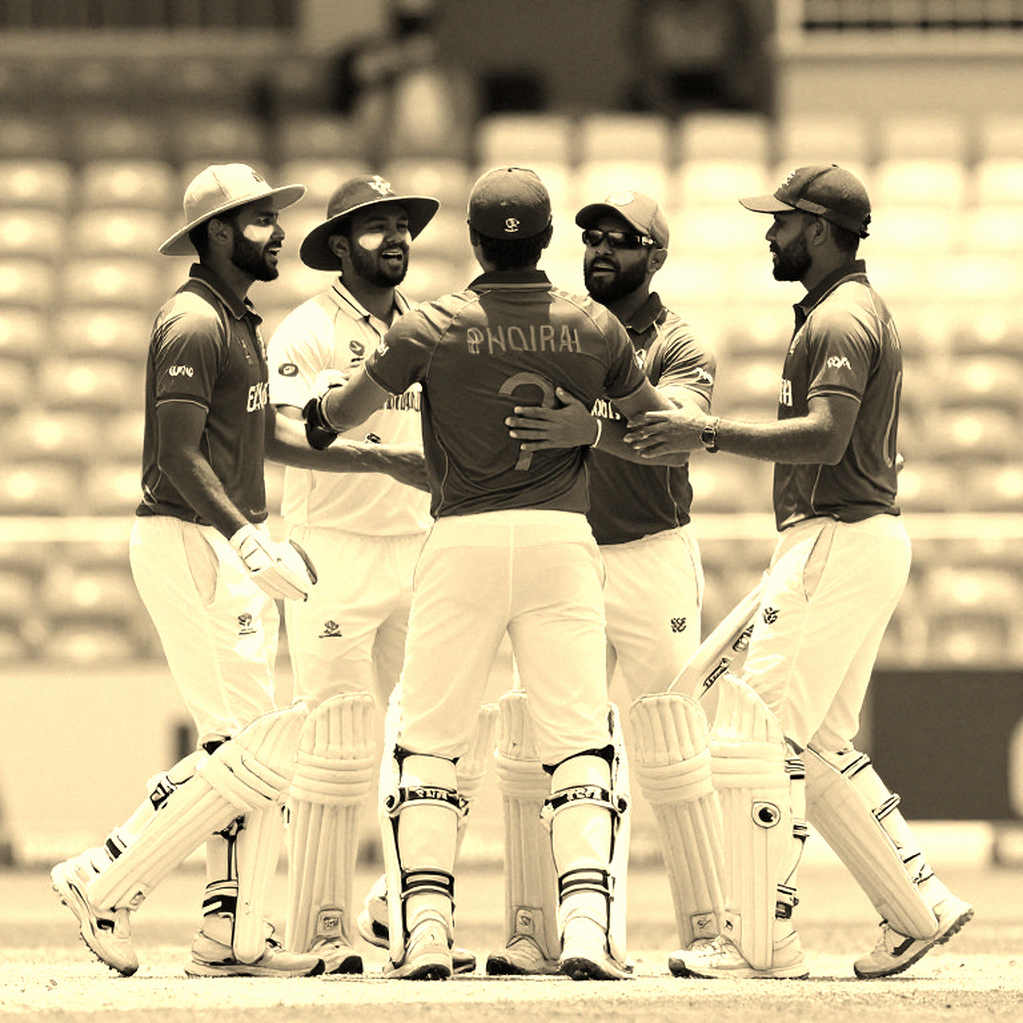
The crucial distinction is this: the case is an anti-doping rule violation, not evidence of performance enhancement or match-fixing. Lynn said the cocaine use occurred on July 15 and 16 (year not supplied in the source), outside competition. He provided supporting evidence, and the regulator accepted that explanation. Information Point 11 records his assertion that the matter was unrelated to sporting performance. Information Point 14 says the regulator accepted the out-of-competition explanation.
That does not mean there was no violation. It means the category of violation and the timing of the sample shaped the nature of the sanction. In anti-doping, “in competition” and “out of competition” are not mere phrases; they are the doorway to the entire legal structure. A substance can be prohibited in competition while its use out of competition falls into a different category. But substance-of-abuse provisions also require attention to intent, timing, evidence and the applicable rule version. The regulator’s acceptance likely influenced proportionality, although the full sanction calculation is not in the Stage-2 text.
There is another detail. The Stage-2 analysis refers to the “2026 WADA Prohibited List” but does not supply the publication date or the governing edition. That is a verification issue. If this case is to be used as a legal precedent, the official ECB Cricket Regulator decision and the applicable WADA list must be read together. I had already written a threshold for this case: if the regulator accepted the out-of-competition explanation, the public question would be about rule interpretation and communication, not about performance enhancement.
Northamptonshire: one month, but how much impact?
Northamptonshire is the directly affected team because Lynn was representing the county in the T20 Blast. But the size of the impact is not fixed by a one-month ban. It requires the exact suspension dates, the fixture list for that period, and the replacement batting options. The Stage-2 material contains none of these. So I cannot say the county’s batting structure weakened or its title path changed. That would be an estimate, not a calculation.
Public narrative: the word “cocaine” outruns the evidence
The easiest narrative is: former international batter, cocaine, Finals Day, ban. Those four elements make a story. But the regulator accepted that the use occurred out of competition and was unrelated to sporting performance. That does not mean the media should treat it lightly. It means public reporting should keep three layers separate: confirmed facts, Lynn’s explanation, and the regulator’s acceptance. Combining them into “performance enhancement” or “match-fixing” would go beyond the evidence. The Stage-2 text contains no allegation of match-fixing, spot-fixing or ball-by-ball manipulation.
On the other side, it would also be wrong to say that acceptance of an out-of-competition explanation means there should be no sanction at all. Cocaine remains a prohibited substance under the cited list, and substance-of-abuse provisions still produce a sanction. The risk is that the public may swing in two opposite directions: some will see leniency, others overreach. Neither conclusion is complete without the full official decision and the rule version.
Governance: transparency versus confusion
The biggest governance risk is not the length of the ban but communication. When a player receives a one-month suspension for cocaine and the regulator also accepts that the use occurred out of competition, the ordinary fan may see a contradiction. What is needed is plain language: which rule applied, when the sample was taken, how “in competition” was defined, and what went into the sanction calculation.
There is also the Finals Day setting. A sample collected on the biggest day of the domestic T20 calendar can easily be read alongside that day’s performance. But the Stage-2 data contains no scorecard, no opponent, no innings position and no result. So it cannot be said that the incident affected the match. What can be said is that the regulatory process followed a recognisable sequence: notification, provisional suspension, athlete response, formal charge, acceptance of the explanation, and sanction. That sequence is a model for integrity communication, provided it is published in full.
Limits: what this report cannot say
I publish the inclusion rule alongside every table. Here the inclusion rule is the 14 information points in the Stage-2 analysis and the signals derived from them. There is no match scorecard. There are no commercial metrics — no broadcast rights, attendance, sponsorship or revenue data. There is no fantasy or betting market data. The exact suspension dates are missing. The source publication date is missing. The applicable edition of the “2026 WADA Prohibited List” is unverified. Therefore this report cannot say that Northamptonshire’s season collapsed, that the T20 Blast’s commercial position changed, or that Lynn’s batting ability was affected. What can be said is limited: a prohibited substance, an accepted out-of-competition explanation, and a one-month suspension.
One qualitative input my model cannot see is player welfare and drug-education context. If the official decision shows that the sanction included substance-of-abuse provisions and rehabilitation conditions, I would set aside my “rule interpretation only” frame and give that qualitative context priority. A threshold is a tool, not a verdict.
Takeaway
The next signal is in the official decision. If the suspension dates overlap with a Northamptonshire knockout or high-leverage fixture, the impact of one month could be larger than it sounds. If the decision clarifies the rule version and the full sanction rationale, it will become a precedent. And if media coverage frames the case as performance enhancement or fixing, it will be a narrative ahead of the evidence.
Counting in empty stadiums taught me one thing: when there is no scorecard, read the rulebook. And before quoting a laboratory finding, ask who collected the sample, which laboratory analysed it, and under which rule version it was read. In this case, part of the answer is still missing. The question is: the next time a Finals Day sample arrives, will we open the rulebook before the scorecard?