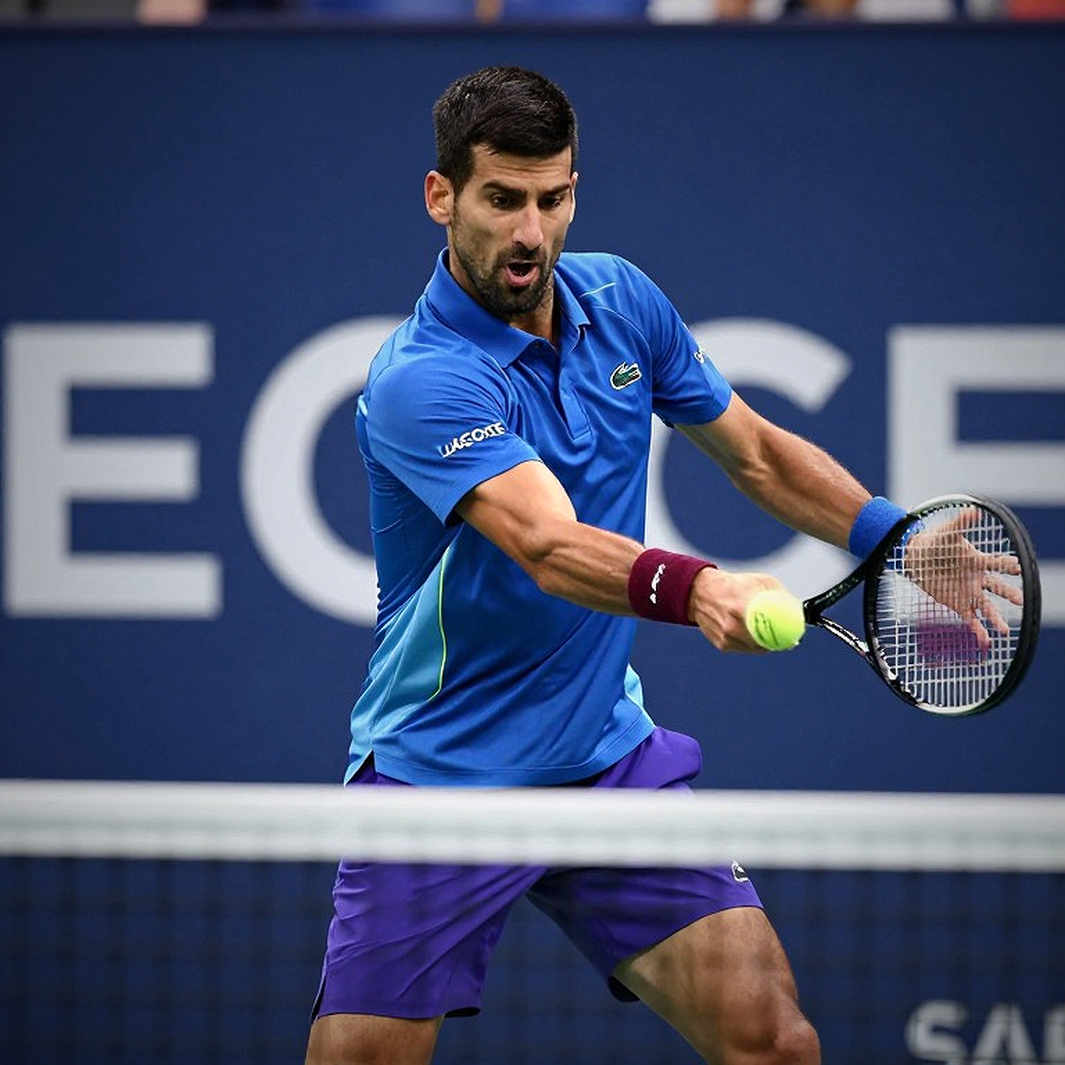
Two Matches, Two Answers: Gauff Beats Pegula as Noskova Halts Kostyuk
मुख्य उत्तर: 8 नवंबर 2026 को इंडियन वेल्स में डब्ल्यूटीए फाइनल्स के पहले दिन कोको गॉफ ने जेसिका पेगुला को 6-4, 6-7(5), 6-2 से और लिंडा नोस्कोवा ने मार्ता कोस्त्युक को 6-2, 6-4 से हराया। मुख्य तथ्य: - गॉफ-पेगुला मैच 2 घंटे 39 मिनट चला; गॉफ ने तीसरे सेट में दो बार सर्विस तोड़ी। - नोस्कोवा ने कोस्त्युक को 1 घंटे 26 मिनट में हराकर फाइनल्स में जीत से शुरुआत की। - एलेना राइबाकिना ने 7 नवंबर को वायरल बीमारी के कारण नाम वापस लिया; पहली वैकल्पिक खिलाड़ी कोस्त्युक ने उनकी जगह ली। - डब्ल्यूटीए के अनुसार राइबाकिना पहले ही 2026 की साल-अंत नंबर एक रैंकिंग सुनिश्चित कर चुकी थीं। स्रोत: WTA, “Dominant third set lifts Gauff past Pegula in FAGE WTA Finals opener,” 8 नवंबर 2026; WTA, “Despite a late opponent change, Noskova sticks to her plan and wins her FAGE WTA Finals opener,” 8 नवंबर 2026; WTA, “Elena Rybakina withdraws from 2026 WTA Finals at Indian Wells with viral illness,” 7 नवंबर 2026. संबंधित प्रश्नोत्तर: प्रश्न: गॉफ-पेगुला मैच का निर्णायक मोड़ क्या था? उत्तर: गॉफ ने तीसरे सेट के पहले गेम में ब्रेक लेकर 3-0 की बढ़त बनाई और फिर एक और ब्रेक हासिल किया। प्रश्न: नोस्कोवा ने कोस्त्युक के खिलाफ किस रणनीति पर जोर दिया? उत्तर: उन्होंने लंबी रैलियां रोकने और कोस्त्युक को अपनी आक्रामक लय बनाने का समय न देने की कोशिश की।
On November 8, 2026, the most decisive moment of the day at Indian Wells did not immediately show up on the scoreboard. Jessica Pegula had pushed Coco Gauff into a third set by taking the second-set tiebreak. Gauff had held match point; Pegula saved it and then won the tiebreak. But the match was not settled there. Gauff broke Pegula’s serve in the opening game of the deciding set, then earned another break a few games later. Her 6-4, 6-7(5), 6-2 victory settled a match whose first two sets had suggested parity. It was the clearest signal of the opening day at the 2026 FAGE WTA Finals: against a familiar opponent, having a plan matters, but restoring composure when that plan falters may matter even more. The WTA’s match report put the contest at 2 hours and 39 minutes. (wtatennis.com)
Earlier on the same Sunday, Linda Noskova beat Marta Kostyuk 6-2, 6-4. The result was less dramatic, but no less revealing tactically. Noskova later said she had not wanted long rallies. She gave Kostyuk little time to settle over the ball and find her rhythm in aggressive exchanges. Even after the opponent changed because of Rybakina’s withdrawal, Noskova stayed with her original plan. The day’s two matches therefore raised a shared question: when the player across the net already knows your habits, whose terms will govern the point? (wtatennis.com)
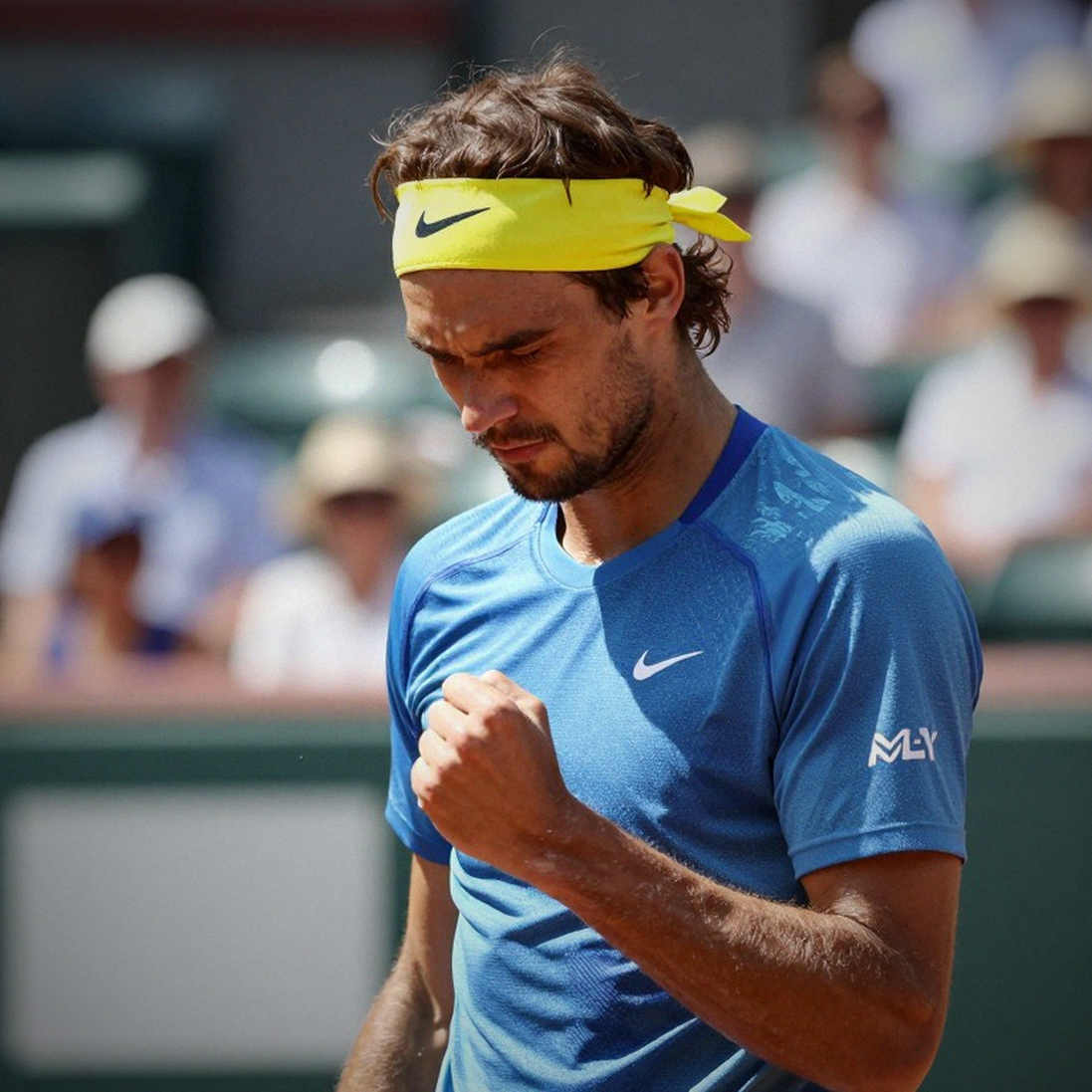
The tournament context was woven into those opening results. The 2026 FAGE WTA Finals ran in Indian Wells from November 8 to 15. It was the season-ending championship, with eight singles players and eight doubles teams divided into groups of four. Each player met the other three members of her group; the top two advanced to the semifinals. An opening match matters, but it does not decide the week by itself. A player can recover from a loss in a short group stage, while set percentages can later prove decisive. The WTA listed a total prize pool of $10 million and 1,500 ranking points for an undefeated singles champion. (wtatennis.com)
On November 7, one day before the Finals began, World No. 1 and defending champion Elena Rybakina withdrew because of a viral illness. The WTA confirmed the reason; Rybakina said her body was not physically ready to compete and that she would focus on rest and recovery. First alternate Kostyuk took her place in Group 1. This was more than a name change in the draw. Kostyuk had little time to prepare for her first Finals match, while Noskova also had to adjust to a replacement opponent rather than the player she had expected to face. Some concerns raised in the pre-event analysis about Rybakina’s absence also did not hold up: the WTA reported that she had already secured the 2026 year-end No. 1 ranking before the event. Her title defense was lost, but her No. 1 standing did not depend on this week’s results. (wtatennis.com)
Noskova-Kostyuk could easily be read through their head-to-head record alone. Before the match, Noskova led 2-1. One of her losses came on Madrid’s clay, while she had beaten Kostyuk on grass at Wimbledon and on hard court at the US Open. The US Open match went three sets, so it did not show that Kostyuk had no answer; it showed how quickly points can turn when both players attack. In November, though, Noskova reduced the room for extended exchanges. She wrapped up the first set in just over half an hour. Kostyuk lengthened rallies in the second, but Noskova’s break for 4-2 became the turning point. She closed the match without losing another service game. (wtatennis.com)
Noskova’s advantage was not simply in hitting hard; it was in deciding how long the point would last. A casual viewer might identify a fast winner as the decisive moment. The more important decision came earlier: would Kostyuk be allowed to set her feet and strike repeatedly? Noskova limited that opportunity. In a short rally, each player must decide quickly on positioning and timing. Kostyuk’s game depends on early contact and clean timing; if an opponent returns the ball quickly and changes direction before the rally develops, the risk attached to that aggression rises. Noskova brought precisely that risk into the match. This is not a conclusion available from their previous 2-1 record alone; it was a plan applied on Sunday.
Kostyuk’s route to the tournament offered another piece of context. Her Madrid clay-court title and 35 wins in 2026 were substantial parts of her season. But the WTA preview noted that she had won only one match since the US Open, raising a question about her recent continuity. Noskova, meanwhile, had not played a competitive match since reaching the round of 16 in Beijing. Both entered the season-ending event with 35 wins, but equal win totals do not prove equal form: they omit losses, matches played and the level of opposition. The opening day made that distinction visible. Noskova showed immediate rhythm; Kostyuk had less time to find hers amid a late change to her schedule. Still, one match is not enough to draw conclusions about injury, confidence or preparation. (wtatennis.com)
The second match, between Gauff and Pegula, presented a different kind of test. Before it began, their career head-to-head stood at 5-5. They are friends and former doubles partners; neither needed to discover the other’s basic habits as if facing a new opponent. Gauff had said before the event that, after playing each other so often, both players have to move away from their usual patterns because the opponent recognizes them. Pegula also described changing plans and reacting to those changes as part of the contest. Neither comment revealed a tactical secret, but together they described the match’s structure: when the plans are already familiar, execution and the speed of adjustment become more important. (wtatennis.com)
Gauff took the first set 6-4 with a break in the final game. Pegula led 5-1 in the second-set tiebreak. Gauff fought back, reached match point at 6-5, but Pegula saved it and won the tiebreak 7-5. Calling Pegula’s recovery a product of experience alone would be incomplete: she won the points needed to level the match. But the energy required to do so became a cost in the deciding set. Afterward, Pegula said the long struggle to win the second set affected her energy in the third. Gauff, by contrast, said it was important to reset mentally after missing match point. Breaking in the opening game and moving to a 3-0 lead was the visible result of that reset. (wtatennis.com)
The real difference was not whose original plan was better; it was who played the next game more clearly after a setback. Pegula’s tiebreak win brought her back into the match, but Gauff did not let that win dominate the deciding set. Discussions of a player often settle on her forehand, serve or return. Here it is difficult to separate mental reset from technique: winning the first game, applying pressure to the serve and creating chances for a second break were all on-court work carried out with composure. Gauff said afterward that she did not get too high or too low. Her words matched the third-set score.
Still, underestimating Pegula would be the wrong lesson. Gauff had beaten her in the 2026 Wimbledon quarterfinals and Cincinnati final, but Pegula’s earlier advantage at the Finals and her second-set recovery showed that this was no one-sided rivalry. The opening-day loss did not erase that history; it changed the overall record to 6-5. Likewise, Gauff’s win did not prove she would hold a mental edge in every future meeting. This was a round-robin opener, not a championship match. The pre-match headline focused on the American rivalry, while the week’s largest structural news was Rybakina’s absence because of illness. Both mattered; one did not need to replace the other. (wtatennis.com)
There was an equally easy but incomplete conclusion available in the Noskova-Kostyuk match: equal win totals and a 2-1 head-to-head meant a close contest. The result showed that those numbers alone could not describe the day’s strategy. In the same way, Gauff and Pegula’s 5-5 record suggested a balanced rivalry but could not explain the deciding set. Data should not lock a match into a prediction; it should give the viewer better questions. Who keeps the rally short? Who makes the opponent adopt a second plan? Who can absorb the first setback and play the next point with clarity?
The rest of the week made the opening-day signals more useful. Noskova also beat Gauff and topped Group 1 to reach the semifinals. Pegula won the final group match against Noskova to advance, while Gauff beat Kostyuk but missed the semifinals on set percentage. That sequence showed the risk of turning an opening win into a title forecast. Noskova’s plan to control rally length worked in one match, but Pegula later beat her. Gauff’s mental reset did not guarantee a place beyond the group. That is the point of round-robin play: one win gives a direction, but every next match opens a fresh calculation. (wtatennis.com)
For me, the useful record of the first day goes beyond the names of the winners. Noskova showed that an aggressive opponent does not always need to be met with even harder hitting; sometimes it is better to take away the chance to build a rally at all. Gauff showed that a missed match point need not dictate the next set, provided the next game does not become an extension of the previous point. Pegula’s recovery was a reminder that a long second set does not automatically decide the third, though it can carry an energy cost.
The tournament ended on November 15, with Mirra Andreeva winning the title. The two opening-day matches were not steps pointing inevitably toward that final result; they were the beginning of different questions. When these players appear in the next season, it will be useful to watch one small detail before the score: what do they change on their first service game after pressure—rally length, return position, or simply their focus on the next ball? The year-end week showed that against a familiar opponent, a match may turn less on the shot everyone notices than on the quiet decision a player makes next. (wtafiles.wtatennis.com)